
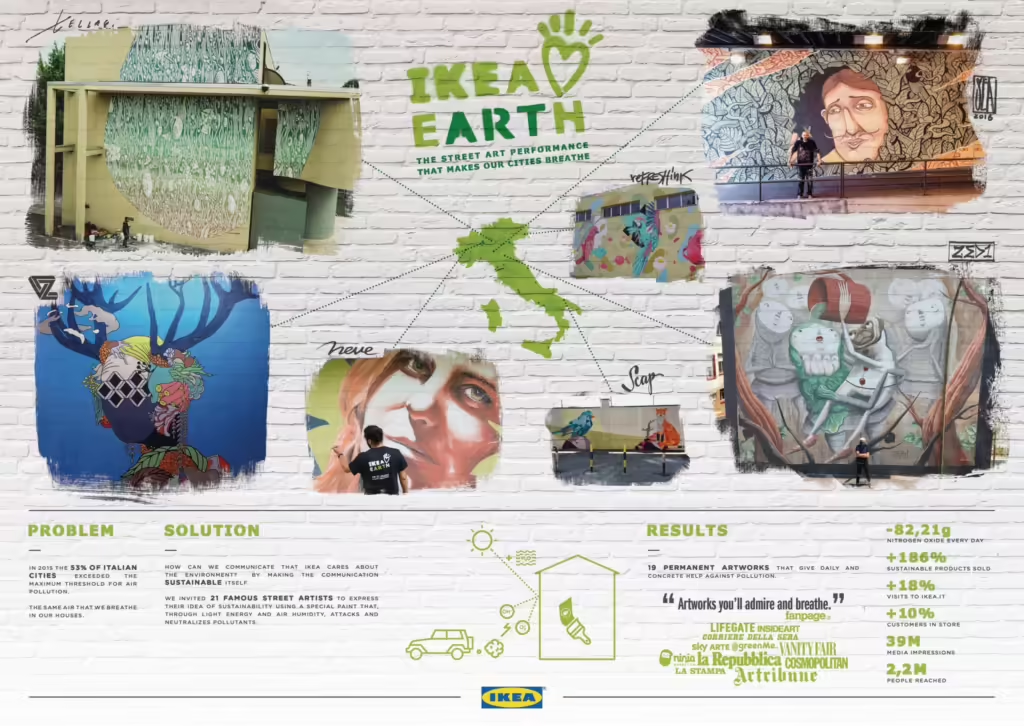
As we navigate the complexities of modern life, it’s easy to overlook the impact our daily choices have on the environment. But what if one of the world’s largest retailers, Ikea, decided to take a stand and make a difference? In this article, we’ll explore Ikea’s commitment to sustainability and how they’re leading the way towards a more eco-friendly future.
A Long History of Environmental Awareness
Ikea has been making headlines for their environmental efforts, but it all started years ago. In 2007, the company announced its goal to power 50% of its stores with renewable energy by 2010. This was a bold move, considering that only 2% of Ikea’s energy came from renewable sources at the time.
A Renewable Energy Revolution
By 2020, Ikea aims to be completely powered by renewable energy. This ambitious goal has already led to significant investments in wind and solar power plants, which will produce electricity needed to meet at least 70% of the group’s total energy demand. With a budget of €1.5 billion, Ikea has made a substantial commitment to clean energy production.
A Sustainable Supply Chain
But Ikea’s commitment to sustainability goes beyond just renewable energy. The company is also working to reduce its environmental impact through sustainable supply chain practices. For example, Ikea no longer uses wood from natural forests and instead plants more trees than it uses for furniture and home decor production. In fact, the company has purchased 10 million cubic meters of certified forest products from organizations like the Forest Stewardship Council.
Reducing Waste and Promoting Recycling
Ikea is also taking steps to reduce waste and promote recycling in its operations. The company will launch recycling campaigns in areas where it operates and fight for access to clean water, reducing waste wherever possible.
A Global Commitment to Human Rights
One of the most significant challenges Ikea faces is sourcing materials from foreign suppliers. To address this, the company has committed to not violating any human rights, including child labor and workers’ rights. This goal will be pursued through surprise audits on suppliers and the introduction of new reporting requirements.
A Brighter Future for Palm Oil and Leather
Ikea is also taking steps to reduce its impact on palm oil and leather production. The company plans to set more virtuous targets for using these materials, ensuring that they are sourced responsibly.
Consequences of Climate Change
Climate change has far-reaching consequences for the environment, human health, and economic stability. Rising temperatures can lead to devastating natural disasters, droughts, and heatwaves. It’s essential to address this issue through collective action and sustainable practices.
The Benefits of Sustainable Practices
Sustainable practices offer numerous benefits for businesses, governments, and individuals alike. By reducing energy consumption, waste, and pollution, we can lower greenhouse gas emissions and mitigate the effects of climate change. Additionally, sustainable practices can lead to cost savings, improved brand reputation, and increased customer loyalty.
Challenges and Opportunities in Sustainable Supply Chain Management
Sustainable supply chain management is a complex task that requires cooperation between companies, governments, and civil society organizations. Challenges include ensuring transparency and accountability throughout the supply chain, addressing social and environmental concerns, and adapting to changing market conditions.
Opportunities for sustainable supply chain management include leveraging technology, increasing collaboration among stakeholders, and promoting education and awareness about sustainable practices. By embracing these opportunities, we can create a more resilient and sustainable global economy.
Case Study: Ikea’s Sustainable Supply Chain Practices
Ikea has implemented various sustainable supply chain practices, including:
- Sourcing materials from certified forests: Ikea purchases 10 million cubic meters of certified forest products annually.
- Implementing recycling programs: Ikea launches recycling campaigns in areas where it operates and promotes waste reduction throughout its operations.
- Reducing energy consumption: Ikea aims to power at least 70% of its stores with renewable energy by 2020.
These practices demonstrate Ikea’s commitment to sustainable supply chain management and its willingness to adapt to changing market conditions.
Conclusion: A New Era for Ikea
Ikea’s commitment to sustainability is a game-changer for the retail industry. By setting ambitious goals and making significant investments in clean energy production, the company is leading the way towards a more eco-friendly future. As consumers, we can learn from Ikea’s example and make our own choices about how we want to live sustainably.
Frequently Asked Questions
- What does Ikea’s commitment to sustainability mean for its customers?
Ikea’s commitment to sustainability means that customers will have access to a wide range of eco-friendly products, made with sustainable materials and produced using renewable energy. - How much has Ikea invested in renewable energy so far?
By 2015, Ikea had invested €1.5 billion in renewable energy sources like wind and solar power plants. - What percentage of Ikea’s energy needs will be met by clean energy production by 2020?
Ikea expects that clean energy production will exceed the group’s overall energy needs by 2020. - How many wind farms does Ikea operate globally?
Ikea operates several wind farms in six European countries, with a total of 342,000 solar panels installed on stores and warehouses. - What is Ikea’s goal for planting trees?
Ikea plans to plant more trees than it uses for furniture and home decor production, helping to restore forests and promote biodiversity. - How does Ikea ensure that its suppliers do not violate human rights?
Ikea uses surprise audits on suppliers to ensure that they are not violating any human rights, including child labor and workers’ rights. - What is the Forest Stewardship Council, and how does Ikea work with it?
The Forest Stewardship Council (FSC) is a non-profit organization that promotes responsible forestry practices. Ikea works with FSC to purchase certified forest products and ensure that its supply chain is sustainable. - How can consumers make their own impact on the environment?
Consumers can make a difference by choosing eco-friendly products, reducing waste, and promoting sustainability in their daily lives.
By embracing these simple changes, we can all contribute to a more sustainable future for generations to come.


