
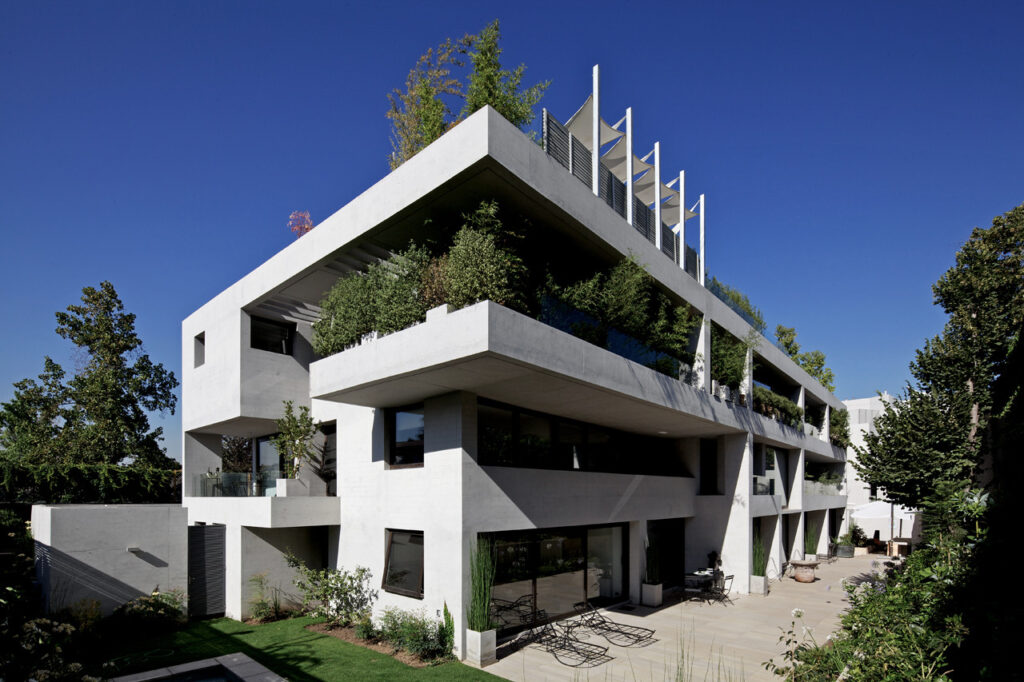
As we continue to grapple with the challenges of climate change, sustainable architecture has emerged as a beacon of hope. The concept of bio-edilizia, or building design using natural and renewable materials, is becoming increasingly popular among architects, engineers, and homeowners alike. At its core, sustainable architecture is about creating homes that not only minimize their carbon footprint but also produce energy autonomously.
What Makes a Home Truly Sustainable?
For those looking to embark on the journey of sustainable living, understanding what makes a home truly sustainable is essential. In simple terms, a sustainable home is one that reduces its energy consumption to a minimum while producing enough energy to meet its needs. This means that homes designed using sustainable architecture principles aim to “zero out” their utility bills.
In recent years, the modern architectural landscape has undergone significant transformations with designers and engineers pushing the boundaries of what’s possible in terms of building efficiency. While large-scale projects might not always incorporate every feature necessary for a truly self-sufficient home, smaller changes can collectively make a substantial impact on reducing our ecological footprint.
A Case Study: Ignacia Apartments
One exemplary design that embodies sustainable architecture is “Ignacia Appartamenti,” created by renowned architect Gonzalo Mardones Viviani. This modern, eco-friendly complex features four apartments, each designed to maximize natural light and ventilation while minimizing energy consumption.
The building’s design allows for maximum sunlight penetration through strategically placed skylights and openings on the roof, reducing the need for artificial lighting. The interior spaces are also well-ventilated, with ample natural airflow that minimizes the use of air conditioning units. This clever approach not only reduces energy costs but also ensures a healthier living environment.
Design Elements: Why Ignacia Apartments Stands Out
So what sets Ignacia Apartments apart from other sustainable buildings? Several key design elements make this project stand out:
- Integrated solar panels: The building’s roof is equipped with solar panels, generating electricity to power the home and reduce reliance on public utilities.
- Efficient insulation: The use of advanced insulation materials helps retain warmth in winter and keep the interior cool during summer months.
- Smart space optimization: Each apartment has been designed to be highly functional and efficient, minimizing wasted space while providing ample living areas.
The Importance of Contextual Design
One of the key aspects of sustainable architecture is understanding the context in which a building will be situated. In this case, Ignacia Apartments was carefully designed with its surroundings in mind, incorporating elements that blend seamlessly into the natural environment.
- Natural materials: The use of local and eco-friendly materials ensures that the building’s construction process has minimal environmental impact.
- Landscaping: The surrounding landscape has been thoughtfully integrated into the design, providing a harmonious balance between nature and architecture.
The Benefits of Sustainable Architecture
Sustainable architecture offers numerous benefits for homeowners, including:
- Energy savings: By reducing energy consumption, sustainable homes can lower utility bills and decrease their carbon footprint.
- Improved indoor air quality: Well-designed ventilation systems and reduced indoor air pollution contribute to a healthier living environment.
- Increased property value: Sustainable buildings often command higher prices due to their eco-friendly features and low operating costs.
Challenges and Opportunities
While sustainable architecture has made significant strides in recent years, there are still challenges to overcome. Some of the most pressing issues include:
- High upfront costs: While energy-efficient systems can save homeowners money in the long run, they often require a higher initial investment.
- Building codes and regulations: Existing building codes may not always align with sustainable architecture principles, making it difficult for builders to meet both requirements.
- Public awareness and education: Many people are still unaware of the benefits and importance of sustainable architecture, making it essential to educate the public about these issues.
Conclusion
As we move forward in our pursuit of sustainable living, it’s clear that innovative designs like Ignacia Apartments will play a vital role. By embracing eco-friendly principles and pushing the boundaries of what’s possible, architects can create homes that not only reduce our carbon footprint but also provide healthier, more comfortable living spaces.
FAQs
- What is bio-edilizia?
Bio-edilizia is a building design approach that incorporates natural and renewable materials to minimize its environmental impact. - How do sustainable apartments generate energy?
Sustainable apartments often feature integrated solar panels or other renewable energy sources, such as wind power, to reduce reliance on public utilities. - What are some key features of sustainable architecture?
Key features include efficient insulation, smart space optimization, and the use of eco-friendly materials. - Can small changes make a big difference in sustainability?
Yes, individual actions like reducing energy consumption can collectively contribute to a significant reduction in our ecological footprint. - How do sustainable buildings impact public health?
Sustainable buildings often feature better ventilation systems and reduced indoor air pollution, resulting in improved public health outcomes.
By embracing innovative designs like Ignacia Apartments, we can create homes that not only reduce our carbon footprint but also provide healthier, more comfortable living spaces for generations to come.


