
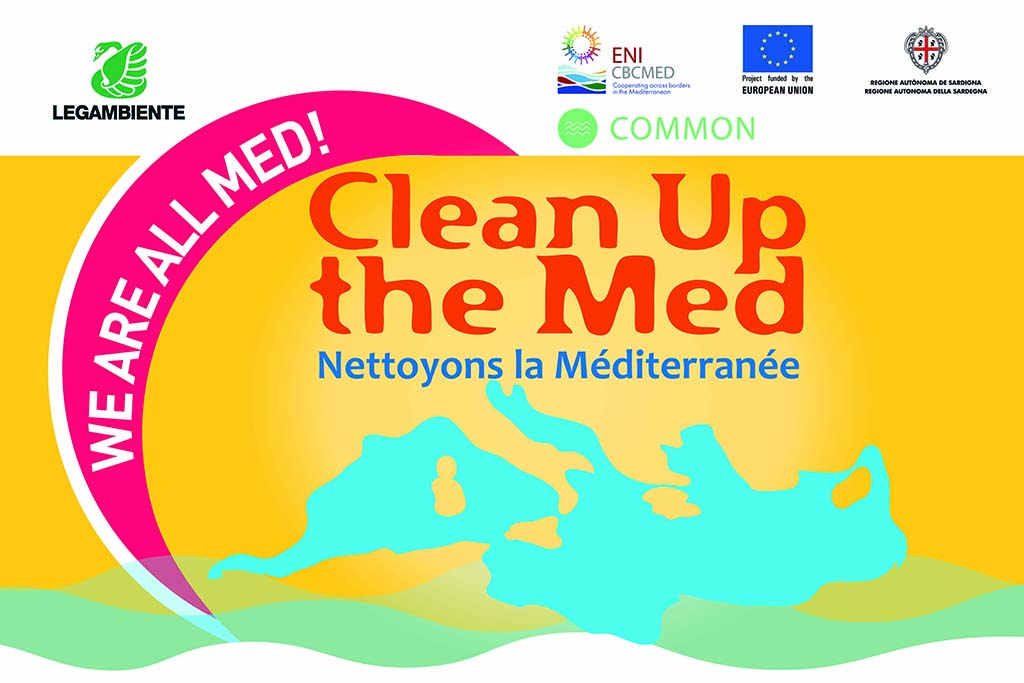
As we approach the 27th edition of “Puliamo il Mondo” in 2019, a global environmental initiative organized by Legambiente, our team at IdeeGreen is excited to partner with this important movement. This year’s event will take place from September 20 to 22, and we’ll be providing updates on the initiatives planned across Italy.
A Growing Movement: Clean Up the World
Last year’s “Puliamo il Mondo” campaign had a powerful motto: “Un mondo migliore passa da un impegno collettivo e da relazioni di comunità.” Over 600,000 people came together to clean up streets, roads, and neighborhoods across Italy, proving that collective action can lead to real change. The campaign was also joined by over 4,000 local associations, NGOs, and community groups.
A Global Phenomenon: Clean Up the World
“Puliamo il Mondo” is part of a global movement called “Clean up the world,” which has been coordinated by Legambiente since 1993. In just 25 years, this initiative has involved over 15 million volunteers and covered 40,000 locations across Italy, clearing 100,000 areas of waste.
The Power of Community
One highlight from last year’s event was the inclusion of immigrants who joined forces with other volunteers to make a positive impact on their communities. This demonstrates that community involvement can bridge gaps between different groups and promote social cohesion.
The Importance of Economic Circularity
As we explore ways to reduce waste and preserve our environment, economic circularity plays a crucial role in achieving this goal. By adopting a more sustainable approach, businesses can lead by example and demonstrate their commitment to the well-being of future generations.
Economic circularity is about designing systems that promote reuse, recycling, and reduction of waste, rather than producing new products without considering the consequences. This includes implementing business models that prioritize sustainability, such as product-as-a-service or sharing economies.
A Look at the Past: The Rise of Obsolescence Programmata
Some companies have prioritized profit over social responsibility, exemplified by the phenomenon of obsolescence programmata. This has led to unnecessary waste and damage to our planet’s ecosystems. By designing products with planned obsolescence in mind, companies can create a culture of disposability that encourages consumers to purchase more goods than they need.
However, this approach also perpetuates a system where old products are discarded without considering their value or potential for reuse. This can lead to significant environmental costs, as the extraction and processing of raw materials required for new production release pollutants into the air, water, and soil.
A Shift in Perspective: Corporate Social Responsibility
However, there is a growing trend towards corporate social responsibility (CSR) as businesses increasingly recognize their role in promoting sustainability. By incorporating CSR into their strategies, companies can contribute to a more equitable and sustainable future.
Businesses can adopt various forms of CSR, such as implementing environmentally-friendly practices, reducing waste, conserving resources, and engaging with local communities. They can also explore opportunities for partnerships, collaborations, and certifications that demonstrate their commitment to sustainability.
Legambiente: A Pillar of Environmental Activism
Since its inception in 1980, Legambiente has been a driving force in environmental activism, leveraging the power of community involvement to raise awareness about pressing issues affecting our planet. With over 115,000 members and supporters, 1,000 local groups, 30,000 classes participating in educational programs, and more than 3,000 young people engaging in volunteer work each year, Legambiente is a force to be reckoned with.
Legambiente’s initiatives cover a wide range of topics, from climate change and pollution to sustainable agriculture and conservation. They work closely with local communities, businesses, and governments to develop innovative solutions that address the environmental challenges facing our planet.
Conservation Efforts: Protecting Natural Areas
Legambiente also oversees the management of over 50 natural areas, ensuring that these valuable resources are preserved for future generations. These protected areas provide essential habitats for countless species of plants and animals, while also supporting local economies through ecotourism and conservation tourism.
By protecting natural areas, Legambiente helps to maintain biodiversity, regulate ecosystems, and support human health and well-being. This includes preserving forests, wetlands, grasslands, and other ecosystems that provide crucial ecosystem services such as clean water, air, and soil.
Conclusion
As we continue on this journey towards a more sustainable world, it’s essential that we recognize the importance of collective action and the role that each individual can play in making a difference. By working together, supporting initiatives like “Puliamo il Mondo,” and adopting sustainable practices, we can create a brighter future for all.
We need to redefine our relationship with the planet and acknowledge the interconnections between human well-being, economic growth, and environmental conservation. This requires a fundamental shift in how we produce, consume, and interact with our surroundings.
Frequently Asked Questions (FAQs)
- What is Clean Up the World?
Clean Up the World is a global environmental initiative organized by Legambiente to promote community involvement in cleaning up public spaces. - How has Clean Up the World impacted Italy?
Over 600,000 people participated in last year’s campaign, and more than 4,000 local associations joined forces with Legambiente to make a positive impact on their communities. - What is the significance of economic circularity?
Economic circularity plays a crucial role in reducing waste and preserving our environment by promoting sustainable practices among businesses and individuals. - How can I get involved in Clean Up the World?
There are various ways to participate, including volunteering with local groups, attending events, and supporting organizations like Legambiente. - What is the relationship between obsolescence programmata and economic circularity?
Obsolescence programmata is a negative practice that contributes to unnecessary waste and environmental damage, while economic circularity promotes sustainable practices that reduce waste and preserve resources. - How can businesses contribute to sustainability?
By adopting corporate social responsibility (CSR) strategies, companies can demonstrate their commitment to sustainability and promote positive change in their communities. - What is the role of Legambiente in environmental activism?
Legambiente is a driving force in environmental activism, leveraging community involvement to raise awareness about pressing issues affecting our planet. - How can I support sustainable practices in my daily life?
There are many ways to live more sustainably, including reducing waste, using public transport, and supporting organizations that promote environmental conservation.


