
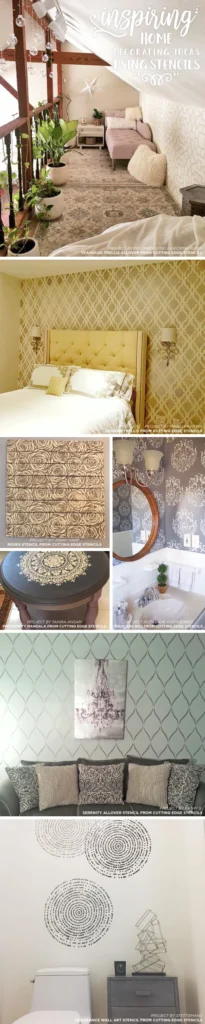
Are you looking for a creative way to add some personality to your home? Do you want to learn how to use stencils to decorate your walls, furniture, and other objects? Look no further! In this article, we’ll explore the world of stencil decorating and provide you with the tools and techniques you need to get started.
What are Stencils?
Stencils are a versatile tool that can be used to create intricate designs and patterns on various surfaces. They consist of a thin layer of material (usually paper or plastic) attached to a metal or plastic frame, which is then applied to the surface using paint or other mediums. Stencils can be found in art supply stores, craft stores, and online.
Types of Stencils
There are several types of stencils available, each with its own unique characteristics and uses:
- Standard Stencils: These are pre-made designs that can be used to create simple patterns and shapes. They are often made from paper or plastic and come in a variety of sizes and shapes.
- Custom Stencils: These can be created using your own design or image. You can use specialized software or work with an artist to create unique stencils.
- Cut-Out Stencils: These are stencils that have been cut out of larger sheets, allowing for more intricate designs and patterns.
- Interlocking Stencils: These are stencils that are designed to be easily interchangeable, making it simple to switch up your design.
Choosing the Right Materials
When it comes to stencil decorating, the materials you choose are crucial for achieving the desired results:
- Paints and Mediums: Choose paints that are specifically designed for stenciling, such as acrylic paint or spray paint. Consider using mediums like varnish or resin to add texture and depth.
- Surfaces: Stencils can be used on a variety of surfaces, including walls, furniture, wood, fabric, and even metal.
Surface Preparation
Before you start decorating with stencils, make sure the surface is clean and dry. This will help ensure that your stencil adheres properly to the surface:
- Clean the Surface: Use soap and water to clean the surface thoroughly.
- Dry the Surface: Let the surface dry completely before applying the stencil.
Step-by-Step Guide to Using Stencils
Using stencils is a straightforward process that requires some basic materials:
- Choose your stencil: Select the design you want to create and make sure it’s the right size for your surface.
- Prepare your surface: Clean the surface thoroughly with soap and water, and let it dry completely before proceeding.
- Apply the stencil: Place the stencil on the surface using tape or a adhesive. Make sure it’s centered and smooth out any wrinkles.
- Paint the design: Use a paintbrush to apply paint through the stencil, starting from the outside edge and working your way inwards. Work slowly and carefully to avoid mistakes.
- Remove the stencil: After completing the painting process, remove the stencil by gently peeling it off or using a small tool to carefully lift it.
Tips and Tricks
Here are some additional tips and tricks for getting the most out of your stenciling experience:
- Use high-quality paints: Invest in good-quality paints that are specifically designed for stenciling. They will provide better results and last longer.
- Experiment with different techniques: Try using different brushstrokes, colors, and textures to create unique effects.
- Practice makes perfect: Don’t be discouraged if your first attempts at stencil decorating don’t turn out as expected. Practice makes perfect, so keep trying and experimenting until you get the results you want.
Advanced Stenciling Techniques
Once you’ve mastered the basics of stenciling, it’s time to try some more advanced techniques:
- Layering: Apply multiple layers of paint or mediums to create complex designs and patterns.
- Blending: Use a wet brush to blend colors and create smooth transitions between different shades.
- Texturing: Add texture to your stencil design using materials like fabric, paper, or even found objects.
Conclusion
Stencil decorating is a fun and creative way to add personality to your home. With the right materials and techniques, you can create stunning designs and patterns on various surfaces. Whether you’re looking for a quick fix or a long-term solution, stenciling is definitely worth exploring further.
Frequently Asked Questions (FAQs)
- What kind of paint should I use for stencil decorating?
- Choose paints that are specifically designed for stenciling, such as acrylic paint or spray paint.
- Can I use stencils on any surface?
- Yes, but make sure the surface is clean and dry before applying the stencil. Some surfaces may require special preparation or adhesives.
- How do I remove the stencil after painting?
- Gently peel off the stencil or use a small tool to carefully lift it off the surface.
- Can I create my own custom stencils?
- Yes, you can create your own custom stencils using specialized software or working with an artist.
- Are there any specific techniques for creating detailed designs?
- Experiment with different brushstrokes, colors, and textures to achieve unique effects. Practice makes perfect, so keep trying and experimenting until you get the results you want.
Common Mistakes to Avoid
When using stencils, it’s easy to make mistakes that can ruin your design. Here are some common mistakes to avoid:
- Insufficient surface preparation: Make sure the surface is clean and dry before applying the stencil.
- Incorrect paint application: Use the right brushstrokes and colors for the job.
- Inadequate stencil placement: Make sure the stencil is centered and smooth out any wrinkles.
By following these tips and tricks, you’ll be well on your way to becoming a stencil decorating pro!


