
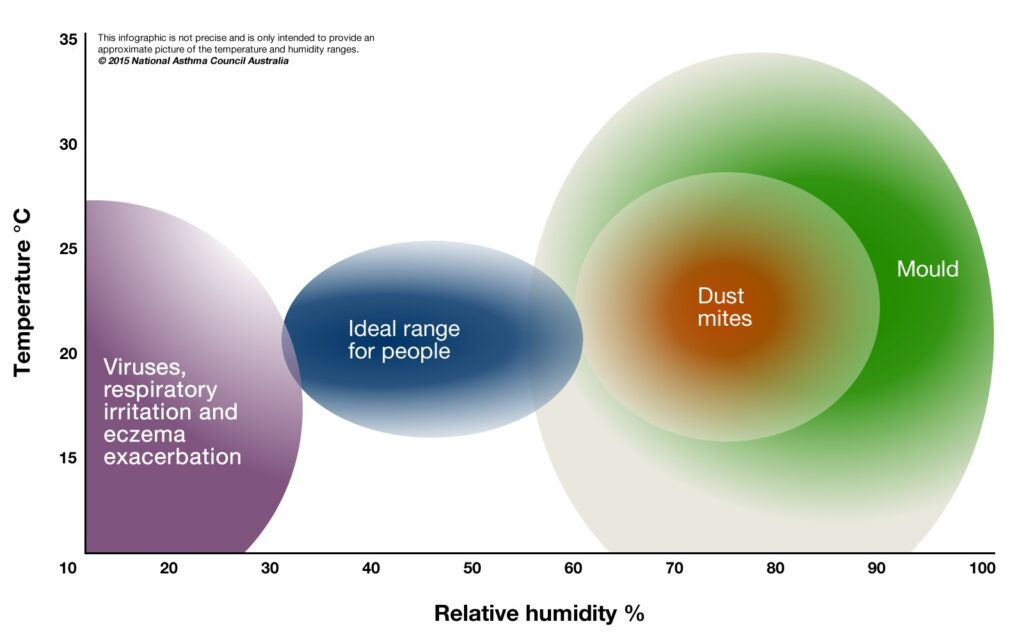
Understanding Ideal Humidity in Your Home
As we obsessively check the weather outside, it’s easy to forget that our “arch-nemesis” – humidity – can be just as much of a problem indoors. Keeping an eye on indoor humidity is crucial for maintaining our well-being and comfort.
Why is Indoor Humidity Important?
When we mention “ideal temperature,” we often overlook the significance of indoor humidity, which plays a significant role in how we perceive the air’s temperature. High humidity can make us feel like it’s either too hot or too cold, while low humidity can lead to dryness and discomfort.
The Effects of Humidity on Our Bodies
Humidity levels affect our bodies in various ways. When we’re exposed to high humidity, our body temperature increases due to the heat generated by evaporation. This is why you might feel overheated and uncomfortable when walking into a humid room or standing near a shower. On the other hand, low humidity can cause our skin to dry out, leading to discomfort, itchiness, and potentially even infections.
Measuring Indoor Humidity
Fortunately, you have control over indoor humidity at home. By installing devices that measure and regulate parameters, you can create a comfortable environment for your body and prevent the growth of mold, bacteria, and other microorganisms. A thermometer and hygrometer combo with an humidifier or dehumidifier is a great starting point.
Understanding Humidity Types
It’s essential to understand that there are different types of humidity: absolute (grams of water vapor per cubic meter), specific (ratio of water vapor to air mass), and relative (percentage of water vapor in the air). The latter is what we’re concerned with when discussing indoor humidity.
- Absolute Humidity: This measure provides an accurate reading of the amount of water vapor present in a given volume of air. It’s typically measured using instruments like hygrometers or psychrometers.
- Specific Humidity: This value expresses the ratio of water vapor to air mass, taking into account the density of the air. It’s essential for predicting weather patterns and understanding the relationship between humidity and temperature.
- Relative Humidity: This is the percentage of water vapor in the air compared to the maximum amount that the air can hold at a given temperature. It’s what we typically refer to when discussing indoor humidity.
Achieving Ideal Humidity Levels
To eliminate excess moisture, you can use devices like dehumidifiers or climate control systems. However, it’s not a one-size-fits-all solution – different areas of your home require unique settings. For example:
- Kitchen: Maintain an humidity level of 80% and temperatures between 18°C to 19°C.
- Living room: A lower humidity level (around 60%) is sufficient for temperatures above 20°C.
- Baby’s room: Ideal temperature is around 22°C, with a relative humidity range of 40-60%.
Health Implications
Maintaining the ideal humidity range (between 40-65%) is crucial for our health. High humidity can cause discomfort, while low humidity can lead to respiratory issues and dry mouth.
- Respiratory Issues: Low humidity levels can exacerbate respiratory conditions like asthma or chronic obstructive pulmonary disease (COPD).
- Dry Mouth: Inadequate humidity can lead to a decrease in saliva production, making us more susceptible to tooth decay and other oral health problems.
- Skin Issues: Dry air can cause skin irritation, itchiness, and potentially even conditions like eczema or psoriasis.
Using Plants as Natural Humidifiers
Some plants are natural humidifiers that can help maintain a healthy indoor environment. Choose species with high transpiration rates, such as the Areca Palm or Boston Fern, to increase humidity levels in your home. Conversely, select plants like Tillandsia, Begonia, or Sansevieria to absorb excess moisture.
- Areca Palm: This plant is known for its ability to remove up to 90% of the water vapor it absorbs from the air.
- Boston Fern: With a high transpiration rate, Boston ferns are excellent at increasing humidity levels in your home.
- Tillandsia: Also known as “air plants,” Tillandsia species can absorb moisture directly from the air, making them perfect for humidifying small spaces.
Frequently Asked Questions
- What is the ideal humidity level for a bedroom?
- The American Academy of Sleep Medicine recommends a relative humidity range of 30-40% between 60°F and 67°F (15°C and 19°C).
- Can I use a dehumidifier to remove mold from my walls?
- No, it’s not recommended to use a dehumidifier to remove mold. Instead, consider hiring a professional to assess and address the issue.
- How often should I check my indoor humidity levels?
- It’s essential to monitor your humidity levels regularly, ideally once a week, to ensure they remain within the optimal range.
- Can I use plants as a replacement for a dehumidifier?
- While some plants can contribute to maintaining a healthy humidity level, they are not a substitute for a proper dehumidification system.
- What is the difference between absolute and relative humidity?
- Absolute humidity measures the amount of water vapor present in a given volume of air, while relative humidity expresses the percentage of water vapor compared to the maximum amount that the air can hold at a given temperature.
- Can I use a humidifier with an air purifier?
- Yes, many modern humidifiers come with built-in air purification features or are designed to work in conjunction with separate air purifiers.
- How do I know if my home has poor indoor humidity levels?
- Look for signs such as:
- High energy bills due to increased heating and cooling needs
- Mold growth on walls, ceilings, or floors
- Uncomfortable temperatures, either too hot or too cold
- Look for signs such as:
- What are some common indoor spaces that require specific humidity levels?
- Basements: Ideal for a relative humidity between 30-50%
- Bathrooms: Relative humidity should be maintained at around 50-60%


