
Introduction
In this article, we will delve into the world of the Iberian horse, a group of breeds originating from the Iberian Peninsula. With 17 distinct breeds, each sharing a common characteristic – they are all native to the Iberian Peninsula.
Table of Contents
- Iberian Horse: Characteristics
- Origin and History
- Races from Portugal
- Races from Spain
- Breeding in Italy
- FAQs
Iberian Horse: Characteristics
Describing this group of horses is a challenging task, but we’ll attempt to define them as accurately as possible, starting with the fact that they can be classified as one of the first domesticated horse breeds.
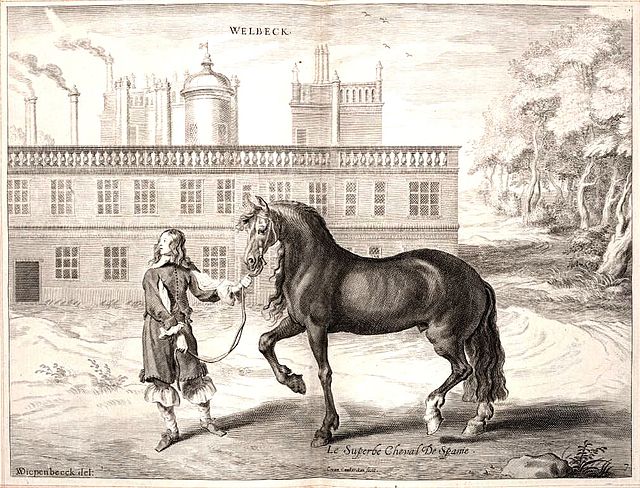
If we had to categorize these horses based on their physical characteristics, we could opt for the term “baroque.” This refers to horses with an agile physique and a solid, muscular structure. Many of these horse breeds descend from animals used as warhorses in the Middle Ages. Now, let’s see if this reasoning applies to our Iberian horses.
Origin and History
The development of this breed is closely tied to the growth and choices made by human populations. In this case, we can consider the Iberians because the development of horse breeds in Spain and Portugal went hand-in-hand with the rise of their culture.
Initially, the Iberians were dedicated to transhumance (seasonal pastoral migrations), which began when they first encountered the Phoenicians. This transition happened around the 11th century BCE. As the Celts later settled there (around 4-5 centuries after the previous event), we see evidence of a warrior class accompanied by horses, of course.
If everything checks out, we have a perfect “baroque” horse. And indeed, the ancestors of Iberian horses were the first warhorses used by the Celts. The ponies themselves could be descendants of an ancient equine form called the Tarpan, which is native to the European-Asian steppes.
We find similar characteristics in the Asturcon pony from Spain, which is also similar to the archetypal Celtic horse. Today, it’s classified as a breed from Britain (the Exmoor Pony). We can even trace some genetic links between this pony and the Sorraia from Portugal, who has more refined features compared to these ponies and is often referred to as a Mediterranean variant of the Tarpan.
A significant evolutionary step for Iberian horses was their conquest by the Romans in Spain and their subsequent unification under Augustus (1st century BCE). This led to a new selection process for warhorses, resulting in the evolution of the breed we’re familiar with today. We can find evidence of these events in the writings of Julius Caesar, who noted the importance that the Gauls attributed to their battle horses. They described them as large and robust animals, naturally bred for care and kept like precious jewels.
These animals described by Caesar likely mixed with some native Iberian breeds, contributing at least partially to the creation of Iberian horse breeds unlike ponies in terms of both size and shape. Then came the Visigoths in the 5th century, a Germanic people from the steppes who brought more robust horses to Spain.
The seventh century saw the conquest of Spain by the Arabs, which was a pivotal moment in forming what we now know as Iberian horse breeds. The warhorses that the defeated Visigoths had were taken over by the Arabs, who crossed them with their own horses (the Arab horse and the Berber horse). This mix resulted in strong, yet agile and elegant horses.
To give you an idea of what this might mean, take a look at the Andalusian breed, which is often considered the embodiment of these Iberian breeds.
Iberian Horse: Races from Portugal
There are three Iberian horse breeds originating from Portugal. Let’s explore each of them:
- Lusitano: A baroque breed very similar to the Andalusian Spanish breed, with a mixed heritage of European and Arabic characteristics.
- Sorraia: Not much bigger than a pony, Sorraia is considered the Mediterranean variant of the Tarpan. It’s often referred to as a refined and elegant horse.
- Garrano: A subspecies of Sorraia that has adapted well to the climate and vegetation of northern Portugal.
Iberian Horse: Races from Spain
There are many Iberian horse breeds originating from Spain, including:
- Asturcon (pony from Asturias)
- Burguete
- Caballo de Monte del Pais Vasco (warhorse from the Basque Country)
- Pura Raza Gallega (pony from Galicia)
- Andaluso (archetypal Iberian horse breed)
Iberian Horse: Breeding in Italy
If you’re interested in learning more about breeding Iberian horses in Italy, we recommend visiting the Master of the Iberian Horse website, where you can find updates and advice on this group of magnificent breeds.
Additionally, you might be interested in reading our related articles:
- Clydesdale Horse
- Frisian Horse
FAQs
Q: What is the Iberian horse breed?
A: The Iberian horse breed refers to a group of 17 distinct breeds originating from the Iberian Peninsula. They are all characterized by their native heritage.
Q: Which countries have Iberian horses?
A: Iberian horses originate from Spain and Portugal, making them unique to these regions.
Q: What is the origin history of the Iberian horse breed?
A: The development of this breed was closely tied to the growth and choices made by human populations. It began with the Phoenicians, followed by the Celts, Visigoths, and finally the Romans, who played a significant role in shaping the breed.
Q: Are there different breeds within the Iberian horse?
A: Yes, there are 17 distinct breeds within the Iberian horse category. Each has its own unique characteristics, but they all share a common heritage.
Q: Can I find information about breeding Iberian horses in Italy?
A: For information on breeding Iberian horses in Italy, visit the Master of the Iberian Horse website or read our related articles.
These breeds are truly remarkable, with each one showcasing unique characteristics that make them special. Whether you’re a seasoned horse enthusiast or just starting to learn about these magnificent creatures, understanding their history and characteristics will only deepen your appreciation for them.


