
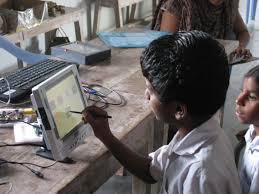
The I-slate is a solar-powered tablet that can be purchased for under $50, making it an affordable option for those seeking a portable and eco-friendly device. This innovative product utilizes a new chip design that reduces energy consumption by up to 50%, allowing for charging via solar cells.
A Brief History of Tablets
Tablets have become ubiquitous in Western societies, primarily used for work or entertainment purposes. However, in some remote areas of the world, tablets can serve as a valuable tool for learning, particularly for students from diverse educational backgrounds.
The rise of tablets began with Apple’s iPad in 2010, followed by the introduction of Android-based tablets in 2011. Since then, the market has seen an explosion of tablet manufacturers and models. From sleek and lightweight devices like the iPad Air to budget-friendly options like the Amazon Kindle Fire, there is a wide range of choices available for consumers.
However, despite their growing popularity, tablets have not yet reached their full potential in terms of educational impact. In many parts of the world, access to technology and internet connectivity remains limited, making it difficult for students to fully utilize tablet-based learning tools.
Development and Production
The I-slate was developed by the Institute for Sustainable Development and Application of Informatics (ISAID) in Singapore. Large-scale production will enable the widespread distribution of this affordable solar-powered tablet, priced below $50.
ISAID’s development team consisted of experts from various fields, including computer science, engineering, and education. The team worked closely with local communities to design a device that meets their specific needs and is easy to use.
The first prototypes of the I-Slate have been tested in a class with students aged 10-13. In one such village, Mohd Hussainpalli, located approximately 70 kilometers southwest of Hyderabad, these young learners were able to appreciate the low-cost technology of the I-slate and reported positive results in their learning experience.
Collaboration and Impact
ISAID collaborated closely with the non-profit organization Vidal, which has been actively promoting education in impoverished villages. The success of this project demonstrates the potential for technology to positively impact educational outcomes, particularly in areas where access to resources is limited.
Vidal’s work focuses on providing children with access to quality education, and their partnership with ISAID has enabled them to reach more students than ever before. By working together, both organizations have created a device that not only provides access to information but also promotes digital literacy and critical thinking skills.
The I-slate’s hardware and graphical content will be designed by Tadem, ensuring its mass production and distribution at an affordable price. This device also features a new chip that consumes only 50% of the energy used by current tablets, allowing for solar charging via photovoltaic cells.
Breaking Down Barriers to Education
This innovative tablet has the potential to bridge educational gaps in remote areas where electricity and resources are scarce. The fact that this technology is being harnessed to improve education in developing countries is truly inspiring.
For example, students in rural areas often face significant challenges in accessing quality education due to limited infrastructure and lack of resources. The I-slate can provide them with an affordable and sustainable solution, allowing them to access educational content and participate in online learning activities.
Empowering Young Minds
The I-Slate’s impact goes beyond just providing access to information; it also empowers young minds to think critically and solve problems independently. By leveraging the power of technology, students can develop essential skills such as digital literacy, communication, and collaboration.
Moreover, the I-Slate’s affordability makes it accessible to students from all walks of life, regardless of their socio-economic background or geographical location. This inclusivity is crucial in promoting social equity and reducing educational disparities.
Conclusion
In conclusion, the I-Slate solar tablet has shown tremendous promise in bridging educational gaps worldwide. Its innovative design and affordability make it an ideal tool for learning, particularly in areas where access to resources is limited.
As technology continues to evolve, we can expect to see more devices like the I-slate that combine sustainability with accessibility. By harnessing the power of solar energy, these devices can provide a reliable source of power, even in remote or disaster-stricken areas.
Frequently Asked Questions
-
What makes the I-slate unique?
The I-slate’s solar-powered design allows for charging via photovoltaic cells, reducing energy consumption by up to 50%. -
Who developed the I-slate?
The I-slate was developed by the Institute for Sustainable Development and Application of Informatics (ISAID) in Singapore. -
What is the cost of the I-slate?
The I-slate can be purchased for under $50, making it an affordable option for those seeking a portable and eco-friendly device. -
How does the I-slate’s chip design work?
The new chip design consumes only 50% of the energy used by current tablets, allowing for solar charging via photovoltaic cells. -
What are the potential applications of the I-slate?
The I-slate has the potential to bridge educational gaps in remote areas where electricity and resources are scarce, particularly in developing countries. -
How does the I-slate’s design impact its user experience?
The I-slate’s user-friendly interface and specialized applications make it an ideal device for learning. -
What is the significance of the I-slate’s collaboration with non-profit organizations?
The collaboration between ISAID and Vidal highlights the potential for technology to positively impact educational outcomes, particularly in areas where access to resources is limited. -
How does the I-slate’s production process affect its distribution?
Large-scale production will enable the widespread distribution of this affordable solar-powered tablet, priced below $50. -
What are the long-term implications of the I-slate for education?
The I-slate has the potential to revolutionize education by providing a sustainable and accessible solution for students worldwide. -
How can individuals support the development and distribution of devices like the I-slate?
There are several ways individuals can contribute to the success of the I-Slate project:
- Donate resources: Consider donating materials, skills, or expertise to support the production and distribution of I-Slates.
- Spread awareness: Share information about the I-Slate’s potential impact on education and promote its availability to your network.
- Purchase an I-Slate: By buying one of these innovative devices, you can directly contribute to making them available to students worldwide.
By working together, we can create a more equitable and sustainable educational landscape for all.


