
Introduction
Have you ever heard of hyssopus, a herb with a distinct aroma that has been used for centuries in various cultures? This article will delve into the characteristics and properties of hyssopus, an aromatic plant belonging to the Lamiaceae family, which includes popular herbs like mint, lavender, and thyme. In this comprehensive guide, we’ll explore the history, cultivation, uses, and benefits of hyssopus, as well as answer some frequently asked questions.
Characteristics of Hyssopus
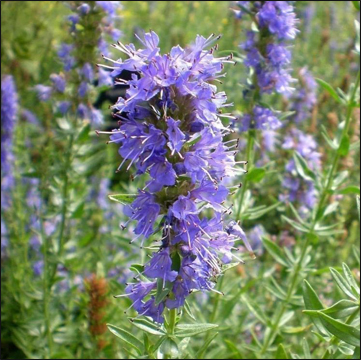
Hyssopus is an herbaceous perennial plant native to the Mediterranean region but now found in various parts of Europe, Asia, and Africa. It can grow up to 60 cm tall, with a woody stem that becomes more flexible as it grows. The leaves are lance-shaped, with prominent nerves, measuring around 2-3 cm in length, and have a short stalk attached. The flowers are small, blue-purple in color, and bloom from May to July.
Properties and Uses of Hyssopus
The essential oil extracted from the leaves and flowers of hyssopus contains pinene, limonene, geraniol, and other aromatic compounds. This oil has been used for centuries to enhance flavor and aroma in cooking, as well as for medicinal purposes. The flowers are also rich in oils and can be dried to preserve them for later use.
Culinary Uses of Hyssopus
Hyssopus can add a unique flavor to various dishes, particularly when used with floral arrangements or as a garnish. However, its potent aroma should be used sparingly, as excessive use can overpower other flavors. The flowers and leaves can be incorporated into salads, soups, or as a topping for vegetables.
In traditional European cooking, hyssopus was often used to flavor game meats, such as venison and hare. It’s also used in herbal teas, infusions, and marinades. Hyssopus pairs well with herbs like thyme, rosemary, and sage, making it an excellent addition to many recipes.
Medicinal Properties of Hyssopus
Hyssopus contains various aromatic compounds that have been used for centuries to enhance flavor and aroma in cooking as well as for medicinal purposes. The essential oil extracted from the leaves and flowers has been shown to have anti-inflammatory, antiseptic, and antibacterial properties.
In traditional medicine, hyssopus was used to treat a range of ailments, including digestive issues, respiratory problems, and skin conditions. It’s also been used to relieve stress and anxiety due to its calming effects.
Cultivation of Hyssopus
Hyssopus can be grown indoors or outdoors in a pot, making it a great option for those who want to have this herb year-round. The plant prefers well-draining soil and can tolerate cold temperatures but requires protection from extreme weather conditions.
To cultivate hyssopus, start by planting the seeds indoors 6-8 weeks before the last frost date in your area. Transplant the seedlings outdoors when they’re around 6 inches tall. Hyssopus is a relatively low-maintenance plant that requires regular watering and fertilization to thrive.
History of Hyssopus
Hyssopus has been mentioned in the Hebrew Bible and the New Testament, often associated with purification and sacrifice. In ancient Persia, hyssopus was used to produce a distilled water that was believed to have healing properties.
The Greek physician Hippocrates (460-370 BCE) also wrote about the medicinal properties of hyssopus. He used it to treat a range of ailments, including fever, rheumatism, and skin conditions.
Frequently Asked Questions (FAQs)
- What are the benefits of using hyssopus in cooking?
Hyssopus can add a unique flavor and aroma to various dishes, making it an excellent addition to salads, soups, or as a garnish. Its aromatic compounds also have medicinal properties, making it a valuable ingredient in herbal teas and infusions.
- How do I care for hyssopus plants?
Hyssopus prefers well-draining soil and should not be overwatered. It can tolerate cold temperatures but requires protection from extreme weather conditions. Regular watering and fertilization are also essential to keep the plant healthy and thriving.
- Can I grow hyssopus indoors?
Yes, hyssopus can be grown indoors in a pot, making it an excellent option for those who want to have this herb year-round. However, it requires sufficient light to thrive, so ensure that your indoor space receives plenty of natural or artificial light.
- What are the medicinal properties of hyssopus?
Hyssopus contains various aromatic compounds that have been used for centuries to enhance flavor and aroma in cooking as well as for medicinal purposes. The essential oil extracted from the leaves and flowers has anti-inflammatory, antiseptic, and antibacterial properties, making it a valuable ingredient in herbal remedies.
- How do I preserve hyssopus flowers?
Dried hyssopus flowers can be stored for later use by tying them in small bunches and placing them in airtight containers. This will help maintain their aroma and flavor.
- Can I use hyssopus essential oil on my skin?
Yes, hyssopus essential oil has been used to produce distilled water with healing properties in ancient Persia. However, it’s essential to dilute the oil with a carrier oil before applying it to the skin to avoid any adverse effects.
- Is hyssopus safe for consumption?
Hyssopus can be consumed in moderation but should be used sparingly due to its potent aroma and flavor. Excessive consumption may lead to digestive issues or allergic reactions, so it’s essential to consult with a healthcare professional before using this herb medicinally.
- Can I grow hyssopus in my garden?
Yes, hyssopus can be grown in your garden by planting it in well-draining soil and providing protection from extreme weather conditions. It prefers full sun to partial shade and requires regular watering and fertilization to thrive.
Conclusion
Hyssopus is a fascinating herb with a rich history, unique characteristics, and medicinal properties. Whether you’re a seasoned gardener or an aspiring chef, this aromatic plant is sure to delight your senses. By understanding the characteristics and properties of hyssopus, you can unlock its potential in cooking, gardening, and even medicinal applications.
Whether you’re looking for a new ingredient to add to your recipes or want to grow your own hyssopus plant, we hope this comprehensive guide has provided you with the information you need to get started. So go ahead, explore the world of hyssopus, and discover its many wonders!


