
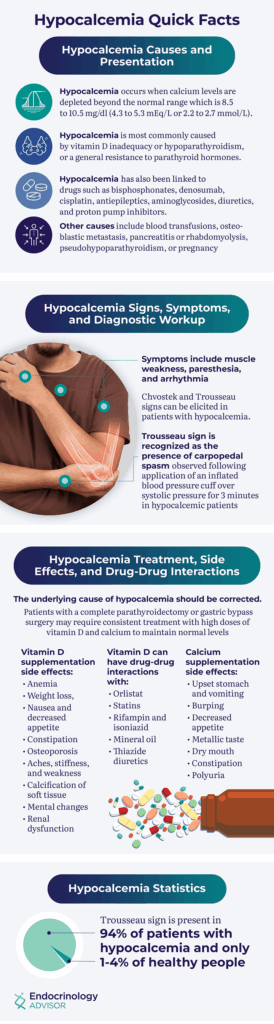
Hypocalcemia is a condition where the levels of calcium in the blood fall below normal ranges, typically below 800 mg/dL for adults and 700 mg/dL for newborns. This can have serious consequences on overall quality of life without proper understanding and intervention.
What Causes Hypocalcemia?
The complex aspect of this condition lies in its potential to affect various aspects of an individual’s life without a clear understanding of the underlying causes. In this article, we will explore the functions of calcium, discuss its daily requirement, and delve into the common causes of hypocalcemia.
Functions of Calcium
Calcium plays a crucial role in maintaining overall health:
- Regulates muscle contractions, including heart contractions
- Facilitates blood clotting
- Assists certain hormones in performing their functions within the kidneys and intestines
- Regulates nerve impulses and muscle contractions
- Activates essential enzymes within the body
- Enhances cellular membrane function, facilitating oxygen and nutrient exchange
- Supports the absorption of a vital vitamin: Vitamin B12
Daily Requirement of Calcium
The recommended daily intake of calcium varies based on age and specific circumstances:
- Adults: 800 mg/dL
- Elderly individuals: 1,000 mg/dL
- Adolescents and pregnant women: 1,200 mg/dL
These values are generally met through a balanced diet. If the requirement is not met through diet alone, supplementation with calcium-rich foods may be necessary.
Symptoms of Hypocalcemia
The absence of calcium can manifest in various symptoms:
- Stress and anxiety; difficulty concentrating, confusion, and altered mood
- Muscle cramps and numbness sensations
- Fatigue, muscle weakness, and numbness in hands
- Dental problems: teeth may weaken or become brittle
- Hair loss (alopecia)
- Dry skin
- Eczema or dermatitis
- Fragile nails
It is crucial to consult a doctor at the first signs of distress as hypocalcemia can be diagnosed quickly through blood tests.
Causes of Hypocalcemia
Some common causes include:
- Vitamin D deficiency: This condition has serious consequences, such as disrupted parathyroid gland function, making it harder for the body to regulate calcium metabolism.
- Chronic kidney disease
- Magnesium deficiency
- Excessive consumption of diuretics, hormonal treatments, or antibiotics
- High caffeine or carbonated beverage intake
Treatment and Prevention of Hypocalcemia
The most effective treatment is determined by a medical professional. Treatment typically involves:
- Calcium supplements taken orally
- Vitamin D supplementation
- Maintaining normal calcium levels
Calcium can be found in various foods, including dairy products, legumes (such as lentils or chickpeas), eggs, nuts, and broccoli.
A balanced diet that includes all necessary nutrients is key to preserving overall health. Regular exercise, such as a 30-minute walk, can also help prevent hypocalcemia.
Preventing Hypocalcemia
To prevent this condition, focus on the following:
- Consult a doctor before taking calcium supplements
- Ensure adequate vitamin D and magnesium levels
- Engage in regular physical activity (even short walks)
- Maintain overall thyroid health as it also plays a crucial role in our body
Frequently Asked Questions
- What is hypocalcemia?
- A condition where calcium levels in the blood fall below normal ranges.
- Can I treat hypocalcemia on my own?
- No, treatment should be determined by a medical professional.
- How can I prevent hypocalcemia?
- Maintain a balanced diet, engage in regular exercise, and ensure adequate vitamin D and magnesium levels.
- What foods contain calcium?
- Dairy products, legumes (such as lentils or chickpeas), eggs, nuts, and broccoli are good sources of calcium.
- Can I prevent hypocalcemia through diet alone?
- While a balanced diet can help maintain normal calcium levels, supplements may be necessary if the requirement is not met through food alone.
By understanding hypocalcemia, its causes, symptoms, and prevention methods, individuals can take proactive steps to protect their overall health.


