
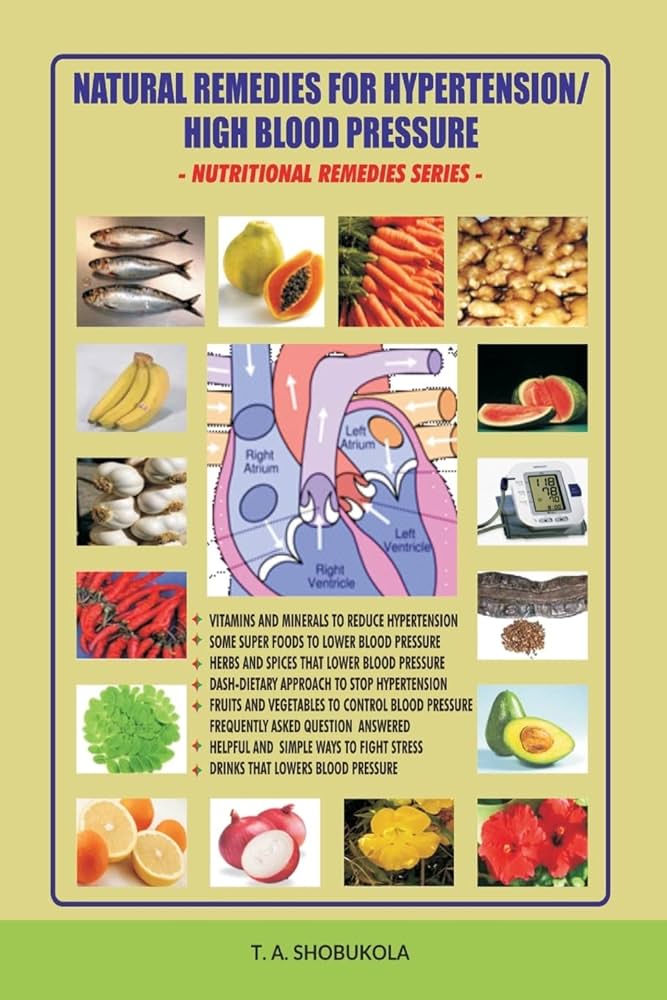
Hypertension, or high blood pressure, is a common health issue that affects millions of people worldwide. While medication can be effective in managing hypertension, many individuals are now turning to natural remedies as a complement to their treatment plan. In this article, we will explore the causes and symptoms of hypertension, discuss the benefits of a balanced diet, and examine various natural remedies that can help lower blood pressure.
The Importance of Understanding Hypertension
Hypertension is often referred to as the “silent killer” because it can lead to serious health problems, including heart disease, stroke, and kidney damage. However, many people with hypertension do not exhibit noticeable symptoms until their condition has become severe. According to the American Heart Association, approximately one in five adults in the United States suffers from high blood pressure.
The Role of Diet in Managing Hypertension
A healthy diet is crucial in managing hypertension. A balanced diet that is low in sodium, rich in potassium, and high in fiber can help lower blood pressure naturally. The Mediterranean diet, which emphasizes whole grains, fruits, vegetables, lean protein sources, and healthy fats, has been shown to be effective in reducing the risk of cardiovascular disease.
Reducing Sodium Intake
Sodium is a major contributor to hypertension. The average American consumes over 3,400 milligrams of sodium per day, which is far exceeding the recommended daily intake. Reducing sodium intake can help lower blood pressure by decreasing fluid retention and promoting vasodilation. To reduce sodium intake, it’s essential to limit or avoid processed and packaged foods, which are often high in sodium.
Increasing Potassium Intake
Potassium is a natural mineral that helps regulate blood pressure by counteracting the effects of sodium. Foods rich in potassium include fruits, vegetables, whole grains, and legumes. Increasing potassium intake can help lower blood pressure naturally by promoting vasodilation and reducing fluid retention.
Other Natural Remedies for Hypertension
In addition to a balanced diet, there are several other natural remedies that may help manage hypertension. These include:
- Exercise: Regular physical activity can help lower blood pressure and improve overall cardiovascular health.
- Stress reduction: Chronic stress can contribute to hypertension; engaging in stress-reducing activities like meditation or yoga can be beneficial.
- Herbal supplements: Certain herbs, such as Hawthorn and Ginkgo biloba, may help lower blood pressure naturally.
Symptoms of Hypertension
While many people with hypertension do not exhibit noticeable symptoms, some individuals may experience:
- Headaches
- Dizziness or lightheadedness
- Nausea and vomiting
- Shortness of breath
The Impact of Hypertension on Cardiovascular Health
Hypertension can have a significant impact on cardiovascular health. High blood pressure can lead to:
- Heart failure: The heart must work harder to pump blood, leading to strain and potential damage.
- Atherosclerosis: The buildup of plaque in the arteries can lead to hardening and narrowing, increasing the risk of heart attack and stroke.
- Kidney damage: High blood pressure can damage the kidneys over time, leading to chronic kidney disease or even kidney failure.
The Benefits of a Natural Approach
While medication can be effective in managing hypertension, a natural approach can offer several benefits. These include:
- Reduced side effects: Medications can have side effects such as dizziness, headaches, and fatigue.
- Increased compliance: A natural approach can encourage individuals to make lifestyle changes that promote overall health and well-being.
- Improved quality of life: By managing hypertension naturally, individuals can reduce their risk of cardiovascular disease and improve their overall quality of life.
Frequently Asked Questions
- What are the symptoms of hypertension?
- Headaches
- Dizziness or lightheadedness
- Nausea and vomiting
- Shortness of breath
- How can I reduce my sodium intake?
- Limit or avoid processed and packaged foods
- Use herbs and spices to flavor food instead of salt
- Choose low-sodium alternatives when available
- What are the benefits of a balanced diet for hypertension management?
- Lower blood pressure
- Improved cardiovascular health
- Reduced risk of heart disease, stroke, and kidney damage
- Can exercise help manage hypertension?
- Yes, regular physical activity can help lower blood pressure and improve overall cardiovascular health
- Are there any herbal supplements that may help lower blood pressure naturally?
- Hawthorn and Ginkgo biloba are two herbs that have been studied for their potential benefits in lowering blood pressure
Conclusion
Hypertension is a serious health issue that can have devastating consequences if left untreated. However, by making a few simple lifestyle changes, including a balanced diet and regular exercise, individuals can lower their blood pressure naturally. Additionally, incorporating natural remedies like potassium-rich foods and stress-reducing activities into your daily routine can help promote overall cardiovascular health.
Additional Resources
- National Heart, Lung, and Blood Institute: www.nhlbi.nih.gov
- American Heart Association: www.heart.org
- Centers for Disease Control and Prevention: www.cdc.gov
References
- “Hypertension” by the American Heart Association
- “The Effects of a Balanced Diet on Hypertension Management” by the National Institutes of Health
- “Exercise and Hypertension Management” by the Centers for Disease Control and Prevention


