
In this article, we will delve into the world of hyperbaric chambers and explore their benefits, uses, and risks. From improving wound healing to treating neurological disorders, the power of oxygen therapy is undeniable.
What is Medicine Underwater (MU)?
Medicine underwater is a branch of medicine that originated in scuba diving. It involves the use of pressurized environments to promote healing and recovery. The term “medicine underwater” refers to the use of hyperbaric chambers to administer oxygen-rich gas to patients.
The concept of medicine underwater dates back to the 17th century, when French physician Jean Fernel wrote about the therapeutic properties of air pressure on the human body. Over time, the field evolved to include the development of hyperbaric chambers, which have become an essential tool in modern medicine.
How Do Hyperbaric Chambers Work?
Hyperbaric chambers are specialized rooms that simulate high-pressure environments. Patients are placed inside these chambers, where they breathe in pure oxygen at pressures higher than those found on land. The increased oxygen levels help to promote healing, reduce inflammation, and increase the delivery of oxygen to damaged tissues.
The process of hyperbaric chamber treatment is as follows:
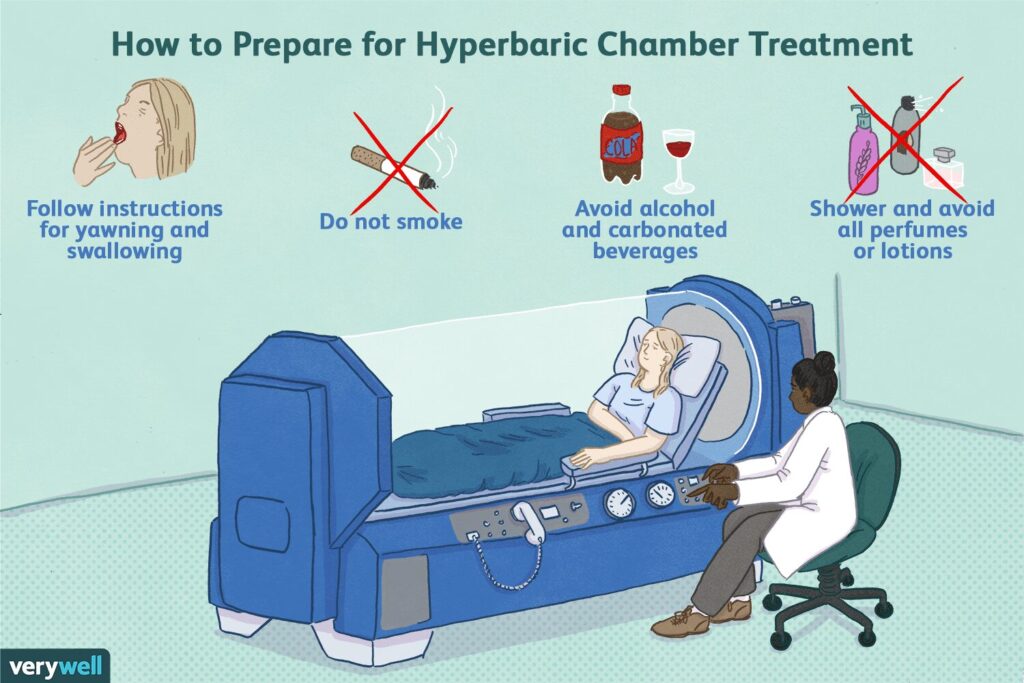
- Preparation: Before entering the chamber, patients are typically given a medical examination and informed consent form.
- Introduction to the Chamber: Patients are introduced to the chamber, where they are instructed on how to use the breathing system and any other equipment required for the treatment.
- Hyperbaric Treatment: The patient is then placed inside the chamber, where they breathe in pure oxygen at pressures higher than those found on land.
- Monitoring: During the treatment, patients are monitored by medical staff for signs of complications or adverse reactions.
- Post-Treatment Care: After the treatment, patients are provided with post-treatment care instructions and any necessary follow-up appointments.
The Benefits of Hyperbaric Chambers
Hyperbaric chambers have been used to treat a wide range of medical conditions, including:
• Wound Healing: Increased oxygen levels in hyperbaric chambers accelerate wound healing by promoting tissue repair and reducing bacterial growth.
• Neurological Disorders: Hyperbaric oxygen therapy has been shown to improve symptoms in patients with multiple sclerosis, Parkinson’s disease, and other neurological conditions.
• Infections: The increased oxygen levels in hyperbaric chambers help to reduce bacterial growth and promote the healing of infected tissues.
• Cardiovascular Disease: Hyperbaric oxygen therapy has been used to treat cardiovascular disease by reducing inflammation and promoting the healing of damaged blood vessels.
Benefits for Specific Conditions
Hyperbaric chambers have specific benefits for certain medical conditions, including:
• Diabetic Foot Ulcers: Hyperbaric oxygen therapy can help to promote wound healing in patients with diabetic foot ulcers.
• Post-Traumatic Stress Disorder (PTSD): The increased oxygen levels in hyperbaric chambers may help to reduce symptoms of PTSD by promoting relaxation and reducing stress.
• Dental Infections: Hyperbaric oxygen therapy has been used to treat dental infections by reducing bacterial growth and promoting the healing of infected tissues.
How Does Oxygen Therapy Work?
Oxygen therapy involves the administration of pure oxygen at pressures higher than those found on land. This can be achieved through various methods, including:
• Hyperbaric Chambers: Patients are placed inside hyperbaric chambers where they breathe in pure oxygen at pressures higher than those found on land.
• Scuba Diving: Scuba divers use oxygen-rich air while diving to promote healing and recovery.
• Oxygen Masks: Oxygen masks are used to deliver pure oxygen to patients who require supplemental oxygen therapy.
Risks and Contraindications
While hyperbaric chambers have many benefits, they also pose some risks and contraindications. These include:
• Pneumothorax: Patients with pneumothorax (collapsed lung) should avoid hyperbaric oxygen therapy as it can cause further complications.
• Severe Allergic Reactions: Patients who are severely allergic to oxygen should avoid hyperbaric chambers.
• Cancer Treatment: Hyperbaric oxygen therapy may interfere with cancer treatment, so patients undergoing chemotherapy or radiation therapy should consult their doctor before using a hyperbaric chamber.
Indications for Hyperbaric Oxygen Therapy
Hyperbaric oxygen therapy is indicated for the following conditions:
- Wound Care: Diabetic foot ulcers, pressure ulcers, and other types of wounds.
- Neurological Disorders: Multiple sclerosis, Parkinson’s disease, and other neurological conditions.
- Infections: Skin infections, osteomyelitis, and other types of infections.
- Cardiovascular Disease: Coronary artery disease, peripheral vascular disease, and other cardiovascular conditions.
Conclusion
Hyperbaric chambers have revolutionized the field of medicine by providing a safe and effective way to promote healing and recovery. From improving wound healing to treating neurological disorders, the power of oxygen therapy is undeniable. While there are risks and contraindications associated with hyperbaric oxygen therapy, these can be minimized by consulting a doctor and following proper treatment protocols.
Frequently Asked Questions
- What is the purpose of hyperbaric chambers?
Hyperbaric chambers are used to administer oxygen-rich gas at pressures higher than those found on land. This promotes healing, reduces inflammation, and increases the delivery of oxygen to damaged tissues. - How do hyperbaric chambers work?
Hyperbaric chambers simulate high-pressure environments by delivering pure oxygen at pressures higher than those found on land. The increased oxygen levels help to promote healing, reduce inflammation, and increase the delivery of oxygen to damaged tissues. - What conditions can be treated with hyperbaric chambers?
Hyperbaric chambers have been used to treat a wide range of medical conditions, including wounds, neurological disorders, infections, cardiovascular disease, and more. - Are there any risks associated with hyperbaric chambers?
Yes, there are risks associated with hyperbaric oxygen therapy, including pneumothorax, severe allergic reactions, and interference with cancer treatment. - How do I find a doctor who specializes in hyperbaric chambers?
You can search online for doctors who specialize in hyperbaric chambers or contact your primary care physician to refer you to a specialist. - Can I use hyperbaric chambers at home?
No, hyperbaric chambers are typically only available in medical settings and should be used under the guidance of a trained healthcare professional. - Are hyperbaric chambers safe for people with certain medical conditions?
The safety of hyperbaric oxygen therapy depends on the individual’s medical condition and should be discussed with their doctor before treatment. - How long does it take to recover from hyperbaric chamber treatment?
Recovery times vary depending on the individual’s condition, but most patients experience improved symptoms within a few sessions.
Future Directions
Hyperbaric oxygen therapy is an increasingly popular treatment option for a range of medical conditions. As research continues to uncover the benefits and risks of this treatment, we can expect to see further advancements in its application.
In particular, researchers are investigating the potential uses of hyperbaric oxygen therapy in:
- Cancer Treatment: Hyperbaric oxygen therapy may be used as an adjunctive treatment for cancer patients undergoing chemotherapy or radiation therapy.
- Neurological Disorders: Hyperbaric oxygen therapy is being explored as a potential treatment for neurological disorders such as Parkinson’s disease and multiple sclerosis.
- Cardiovascular Disease: Hyperbaric oxygen therapy may be used to treat cardiovascular disease by reducing inflammation and promoting the healing of damaged blood vessels.
Overall, hyperbaric chambers have the potential to revolutionize the field of medicine by providing a safe and effective way to promote healing and recovery. As research continues to uncover the benefits and risks of this treatment, we can expect to see further advancements in its application.


