
Introduction
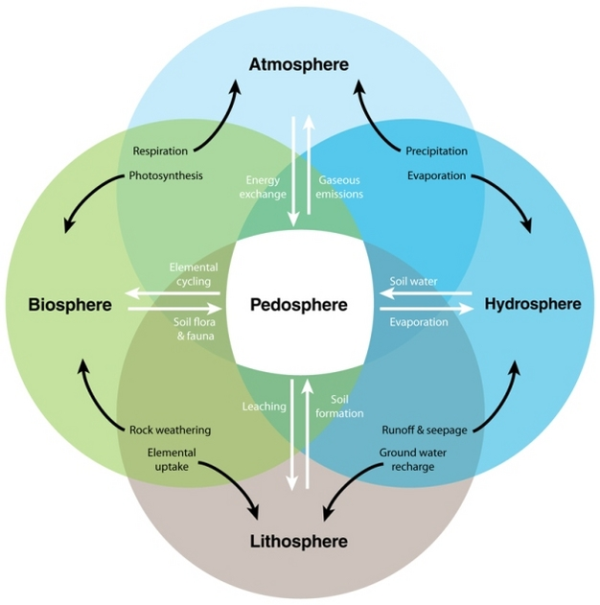
The concept of the hydrologic cycle is essential in understanding our planet’s water dynamics. It involves the continuous movement of water between the Earth’s oceans, atmosphere, land, and underground. In this article, we will delve into the three main components of the hydrologic cycle: idrosfera, pedosfera, and litosfera. We will explore their characteristics, interactions, and significance in maintaining life on Earth.
Idrosfera: The Water Cycle
The idrosfera refers to the sum of all water present on our planet, including oceans, lakes, rivers, glaciers, and underground aquifers. It is estimated that approximately 97% of the Earth’s water is located in the oceans, while only about 3% is freshwater. The remaining 2% is comprised of ice caps, glaciers, and groundwater.
The idrosfera plays a crucial role in regulating the Earth’s climate. Water evaporation from the oceans, lakes, and rivers forms clouds, which eventually become precipitation. This process is known as the water cycle or hydrologic cycle. It involves the continuous exchange of water between the atmosphere, land, and ocean.
Key Factors Affecting the Idrosfera:
- Evaporation: The process by which water is converted from liquid to gas form.
- Precipitation: The formation of clouds and precipitation in the atmosphere.
- Runoff: Water that flows over the surface of the land, often forming streams, rivers, and lakes.
- Infiltration: Water that seeps into the ground, becoming groundwater.
The idrosfera is also influenced by climate change, human activities, and natural events such as droughts and floods. Understanding these factors is crucial in managing water resources effectively.
Understanding the Impact of Climate Change on the Idrosfera
Climate change has a significant impact on the idrosfera. Rising temperatures lead to increased evaporation from oceans and lakes, resulting in more frequent and severe droughts. Additionally, changes in precipitation patterns can alter the distribution of freshwater sources, affecting agriculture, industry, and human consumption.
The Role of Human Activities in Altering the Idrosfera
Human activities such as deforestation, urbanization, and pollution can also impact the idrosfera. Deforestation leads to soil erosion, while urbanization can result in increased runoff from impervious surfaces like roads and buildings. Pollution can contaminate water sources, making them unsuitable for human consumption.
Pedosfera: The Soil Component
The pedosfera refers to the layer of soil that covers the land surface. It is a critical component of the hydrologic cycle, as it stores, filters, and transports water. The pedosfera can be characterized by its texture, structure, and composition, which determine its ability to retain or release water.
The pedosfera plays a vital role in regulating the Earth’s climate by storing carbon dioxide and releasing oxygen. It also affects soil erosion, nutrient cycling, and plant growth.
Key Factors Affecting the Pedosfera:
- Climate: The temperature and precipitation patterns that affect soil moisture levels.
- Soil texture and structure: The physical properties of soil that determine its ability to retain or release water.
- Land use practices: Human activities such as agriculture, urbanization, and forestry can impact soil health.
Understanding the pedosfera is essential in maintaining soil health, preventing erosion, and ensuring sustainable agriculture practices.
The Importance of Soil Conservation
Soil conservation is crucial in maintaining soil health. Techniques such as terracing, contour farming, and mulching can help reduce soil erosion and retain soil moisture.
Litosfera: The Crust Component
The litosfera refers to the outermost solid layer of the Earth’s crust. It is composed of rocks, minerals, and sediments that have been formed through geological processes such as weathering, erosion, and plate tectonics.
The litosfera plays a critical role in regulating the Earth’s climate by controlling the flow of heat and moisture between the interior and atmosphere. It also affects the formation of mountains, volcanoes, and earthquakes.
Key Factors Affecting the Litosfera:
- Plate tectonics: The movement of the Earth’s crust that can lead to earthquakes and volcanic activity.
- Volcanic activity: The eruption of magma from the Earth’s interior that can release gases and ash into the atmosphere.
- Weathering and erosion: The breakdown of rocks through chemical, physical, or biological processes.
Understanding the litosfera is essential in understanding geological processes that shape our planet’s surface.
The Impact of Geological Processes on the Hydrologic Cycle
Geological processes such as plate tectonics and volcanic activity can significantly impact the hydrologic cycle. Plate tectonics can lead to earthquakes, while volcanic activity can release gases and ash into the atmosphere.
Conclusion
The idrosfera, pedosfera, and litosfera are interconnected components of the hydrologic cycle. Understanding their characteristics, interactions, and significance is crucial in maintaining life on Earth. By recognizing the key factors affecting each component, we can better manage water resources, regulate climate change, and ensure sustainable development practices.
Frequently Asked Questions
- What is the main difference between the idrosfera and the pedosfera?
The idrosfera refers to the sum of all water present on our planet, while the pedosfera refers to the layer of soil that covers the land surface. - How does the litosfera affect the hydrologic cycle?
The litosfera plays a critical role in regulating the Earth’s climate by controlling the flow of heat and moisture between the interior and atmosphere. - What is the significance of the pedosfera in maintaining life on Earth?
The pedosfera stores, filters, and transports water, making it essential for plant growth, soil health, and preventing erosion. - How can we manage water resources effectively?
Understanding the idrosfera, pedosfera, and litosfera is crucial in managing water resources effectively. This includes recognizing key factors affecting each component and implementing sustainable practices to conserve and utilize water wisely. - What are some natural events that affect the hydrologic cycle?
Natural events such as droughts, floods, and earthquakes can significantly impact the hydrologic cycle by altering precipitation patterns, soil moisture levels, and groundwater recharge. - How does climate change affect the hydrologic cycle?
Climate change alters precipitation patterns, sea level rise, and changes in land use practices, all of which impact the hydrologic cycle and have significant consequences for ecosystems and human societies. - What are some human activities that affect the hydrologic cycle?
Human activities such as deforestation, urbanization, and pollution can alter soil moisture levels, groundwater recharge, and surface water flow patterns, ultimately affecting the hydrologic cycle. - How can we reduce our impact on the hydrologic cycle?
To reduce our impact, it is essential to adopt sustainable practices such as reducing energy consumption, conserving water, and implementing sustainable land use practices.
By understanding the idrosfera, pedosfera, and litosfera and their interconnectedness, we can better manage water resources, regulate climate change, and ensure sustainable development practices.


