
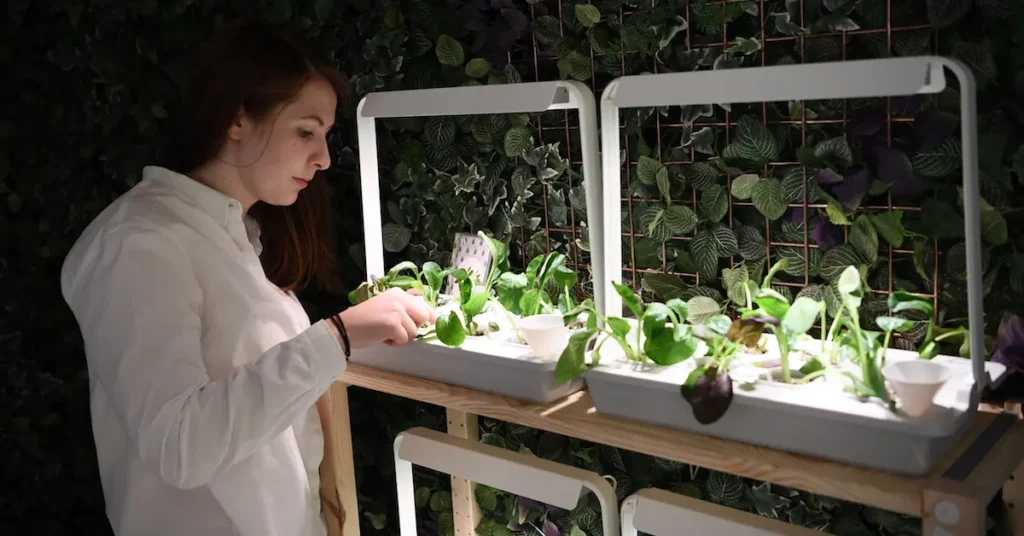
The Ultimate Guide to Indoor Hydroponic Gardening: A Beginner’s Delight
Are you ready to grow your own fruits and vegetables, but don’t know where to start? Look no further! In this article, we’ll explore the world of indoor hydroponic gardening, a method that allows you to cultivate any type of plant using a nutrient-rich solution rather than soil.
Understanding Hydroponics
Before we dive into the nitty-gritty, it’s essential to understand what hydroponics is all about. Hydroponics is a technique that uses a nutrient-rich solution to feed plants, eliminating the need for soil. This method has gained popularity in recent years due to its ease of use, water efficiency, and high yields.
The Benefits of Hydroponic Gardening
So, why should you consider hydroponic gardening? Here are just a few benefits:
- Year-Round Growing: With hydroponics, you can grow plants 12 months a year, regardless of the season or climate.
- Water Conservation: Hydroponics uses significantly less water than traditional farming methods.
- Reduced Labor: Hydroponic systems require minimal labor and maintenance.
- Increased Yield: Hydroponics can increase crop yields by up to 100%.
Choosing the Right System
When it comes to choosing a hydroponic system, there are several options available. Some popular choices include:
- NFT (Nutrient Film Technique) Systems: These systems use a continuous flow of nutrient-rich solution to feed plants.
- Ebb and Flow Systems: These systems use a periodic flooding and draining process to provide nutrients to plants.
- DWC (Deep Water Culture) Systems: These systems use a bucket or container filled with nutrient-rich solution, allowing roots to absorb nutrients.
Setting Up Your System
Once you’ve chosen your system, it’s time to set up your hydroponic garden. Here are some essential components you’ll need:
- Grow Container: This is where your plants will grow.
- Nutrient Solution: This is the nutrient-rich solution that feeds your plants.
- Pump and Aeration System: These systems ensure that oxygen reaches your roots.
Tips for Success
To ensure success with your hydroponic garden, keep these tips in mind:
- Monitor pH Levels: The pH level of your nutrient solution can significantly impact plant growth. Ensure that you’re maintaining optimal pH levels.
- Provide Adequate Light: Most plants require sufficient light to photosynthesize. Ensure that your system provides adequate light for your plants.
- Maintain Cleanliness: Hydroponic systems require regular cleaning and maintenance to prevent the buildup of bacteria and other microorganisms.
Conclusion
Hydroponic gardening is a wonderful way to grow your own fruits and vegetables, even in indoor spaces. With the right equipment and knowledge, you can enjoy a bountiful harvest year-round. Whether you’re a seasoned gardener or just starting out, we hope this guide has provided you with the information you need to get started.
FAQs
Here are some frequently asked questions about hydroponic gardening:
- How much does it cost to set up a hydroponic system?
- The cost of setting up a hydroponic system can vary widely, depending on the size and complexity of the system.
- What kind of nutrients do I need for my plants?
- Hydroponic systems require a nutrient-rich solution to feed your plants. You’ll want to choose a balanced fertilizer that meets the specific needs of your plant species.
- How often should I water my plants?
- The frequency of watering will depend on the type of system you’re using and the specific needs of your plants. As a general rule, hydroponic systems require more frequent watering than traditional soil-based systems.
Additional Tips
- Monitor pH Levels: The pH level of your nutrient solution can significantly impact plant growth. Ensure that you’re maintaining optimal pH levels.
- Provide Adequate Light: Most plants require sufficient light to photosynthesize. Ensure that your system provides adequate light for your plants.
- Maintain Cleanliness: Hydroponic systems require regular cleaning and maintenance to prevent the buildup of bacteria and other microorganisms.
By following these tips and guidelines, you’ll be well on your way to growing a thriving hydroponic garden. Happy growing!


