
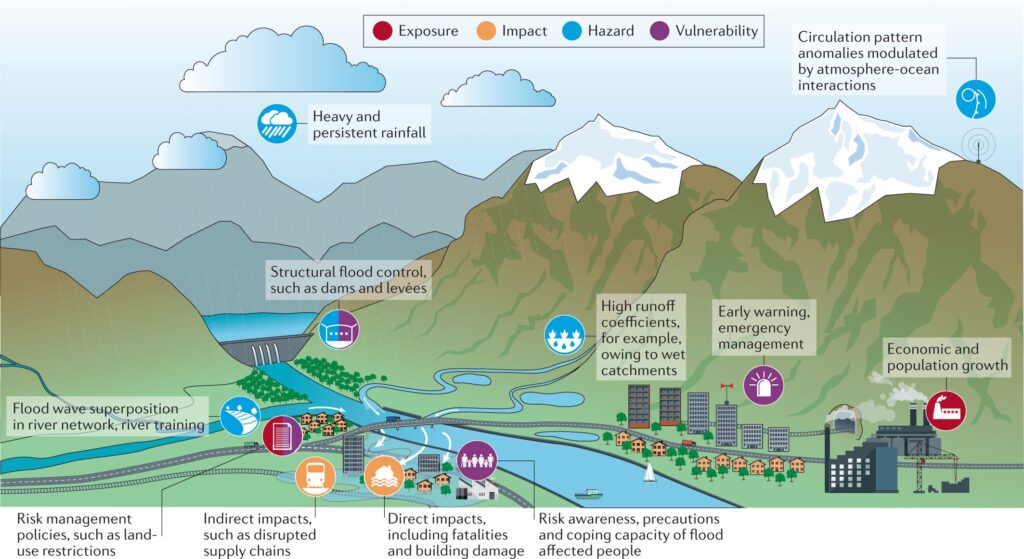
As we navigate through our daily lives, it’s easy to take for granted the safety of our surroundings. However, beneath our feet lies a complex network of geological structures that can be vulnerable to instability, posing a significant risk to our communities. In this article, we will delve into the world of hydrogeological risk, exploring its causes, consequences, and potential preventions.
What is Hydrogeological Risk?
Hydrogeological risk refers to the instability of slopes or rivers due to specific environmental, meteorological, and climatic conditions. These factors are influenced by human activities, which can significantly impact the natural landscape, increasing the likelihood of catastrophic events such as landslides, floods, and erosion.
The Role of Human Activity
Human influence plays a significant role in shaping our environment, and this is reflected in the hydrogeological risk landscape. From construction projects to urban development, our activities can alter the natural terrain, making it more prone to instability. For instance, building roads, bridges, and buildings on unstable ground can lead to erosion and landslides.
The Impact of Climate Change
Climate change has become a pressing concern in recent years, with rising temperatures and increasing precipitation levels contributing to the hydrogeological risk. While extreme weather events are becoming more frequent, it’s essential to recognize that the increased precipitation is not solely responsible for these events. Instead, it’s often a combination of factors, including human activities and natural conditions.
Regions at High Risk
Certain regions in Italy are particularly vulnerable to hydrogeological risks. According to recent data, approximately 68.9% of Italian municipalities are at high risk due to landslides or floods. The provinces of Campania, Calabria, Piemonte, Sicilia, and Liguria are among those most affected.
The Economic Toll
The economic impact of hydrogeological risks cannot be overstated. In Italy alone, the country spends an average of €5 billion annually on damage caused by natural disasters, with approximately €1.2 billion attributed to flood-related events. The loss of life, cultural heritage, and agricultural land all contribute to this staggering figure.
Preventing Hydrogeological Risks
While we cannot completely eliminate the risk of hydrogeological hazards, there are steps that can be taken to mitigate their impact. One such initiative is the “Piano per la riduzione del rischio idrogeologico” (Plan for Reducing Hydrogeological Risk), which aims to address the issue through a range of measures, including infrastructure development and land management.
The Benefits of Prevention
Implementing preventive measures can not only reduce the economic burden but also create new job opportunities. For every €1 million invested in flood risk prevention, it’s estimated that up to €5 million can be saved in future repairs.
Frequently Asked Questions (FAQs)
Q: What are the most common causes of hydrogeological risks?
A: The primary causes include human activities such as construction, urban development, and land use changes, as well as natural factors like climate change and geological conditions.
Q: Which regions in Italy are at high risk of hydrogeological hazards?
A: According to recent data, approximately 68.9% of Italian municipalities are at high risk due to landslides or floods, with the provinces of Campania, Calabria, Piemonte, Sicilia, and Liguria being particularly affected.
Q: How much does Italy spend annually on damage caused by natural disasters?
A: On average, Italy spends €5 billion per year on damage caused by natural disasters, with approximately €1.2 billion attributed to flood-related events.
Q: What is the “Piano per la riduzione del rischio idrogeologico” and what does it entail?
A: The plan aims to address hydrogeological risks through a range of measures, including infrastructure development and land management, with the goal of reducing the economic impact of these hazards.
Q: Can preventive measures reduce the economic burden of hydrogeological risks?
A: Yes, implementing preventive measures can not only reduce the economic burden but also create new job opportunities, with estimates suggesting that up to €5 million can be saved in future repairs for every €1 million invested.
Q: What are some effective ways to mitigate hydrogeological risks?
A: Strategies include infrastructure development, land management, and education campaigns to raise awareness about the importance of flood risk prevention.
Understanding the Role of Geological Conditions
Geological conditions play a crucial role in determining the likelihood of hydrogeological hazards. The underlying rock structure, soil composition, and water table levels all contribute to the stability or instability of slopes and rivers.
Case Study: The Risks of Landslides
Landslides are one of the most common types of hydrogeological hazard. In Italy, landslides can occur suddenly and without warning, causing widespread damage and loss of life. A study by the Italian National Research Council (CNR) found that over 70% of landslides in Italy are triggered by human activities such as deforestation, mining, and construction.
Preventing Landslides
Preventing landslides requires a combination of technical solutions, environmental protection measures, and education campaigns. Some effective strategies include:
- Regulating land use: Implementing regulations to prevent over-development and protect sensitive areas.
- Monitoring soil conditions: Regularly monitoring soil moisture levels and stability.
- Implementing early warning systems: Establishing early warning systems to alert communities of potential landslides.
Understanding the Impact of Climate Change
Climate change is having a profound impact on hydrogeological risks. Rising temperatures and increased precipitation are contributing to more frequent and severe weather events, including floods and landslides.
The Role of Natural Factors
Natural factors such as geological conditions, topography, and land use can also contribute to hydrogeological hazards. For example:
- Topographic features: Steep slopes, valleys, and other natural features can increase the risk of landslides.
- Soil composition: Areas with unstable soil compositions, such as those with high clay content or recent volcanic activity, are more prone to landslides.
Implementing Prevention Measures
Preventing hydrogeological hazards requires a proactive approach that involves governments, communities, and individuals. Some effective measures include:
- Infrastructure development: Building infrastructure such as dams, levees, and flood-control structures.
- Land management: Implementing land-use regulations to protect sensitive areas and reduce the risk of landslides.
- Education campaigns: Educating communities about the risks of hydrogeological hazards and the importance of prevention measures.
The Future of Hydrogeological Risk Prevention
As we move forward, it’s essential that governments, communities, and individuals work together to prevent hydrogeological hazards. Some potential strategies include:
- Integrating hydrogeology into urban planning: Incorporating hydrological assessments into urban planning to reduce the risk of landslides and floods.
- Developing early warning systems: Establishing advanced early warning systems to alert communities of potential hazards.
- Promoting sustainable land use practices: Encouraging sustainable land-use practices that protect sensitive areas and reduce the risk of hydrogeological hazards.
In conclusion, hydrogeological risks pose a significant threat to our communities, but by understanding the causes, consequences, and preventions, we can work together to mitigate these hazards. It’s essential that governments, communities, and individuals take proactive steps to address this issue and create a safer future for all.


