
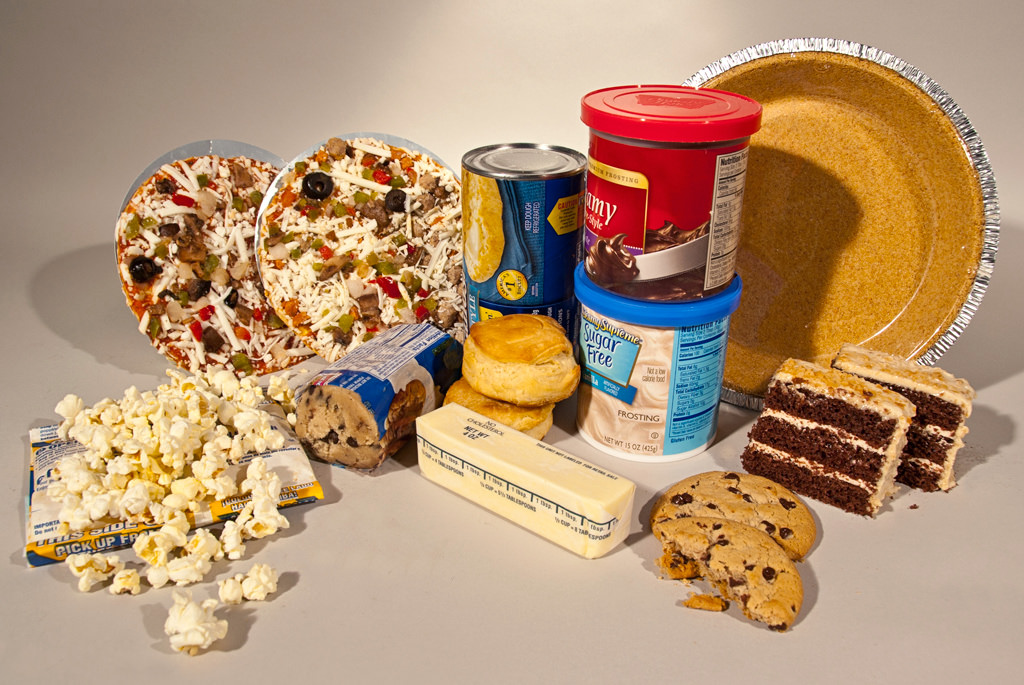
As we navigate the complex world of nutrition, it’s essential to understand the impact of certain substances on our health. One such substance is trans fat, also known as partially hydrogenated oils or trans fatty acids (TFAs). In this article, we’ll delve into what trans fats are, how they’re created, and most importantly, why they’re a concern for our health.
What Are Trans Fats?
Trans fats are a type of unsaturated fat that’s created through an industrial process. This process involves adding hydrogen to liquid vegetable oils to make them more solid and increase their shelf life. The resulting product is often used in processed foods, such as baked goods, fried snacks, and margarines.
Why Are Trans Fats So Common?
Trans fats are widely used due to their economic benefits, ease of production, and extended shelf life. Many food manufacturers rely on trans fats to enhance the taste and texture of their products, making them more appealing to consumers. Additionally, trans fats can be cost-effective alternatives to natural fats in some recipes.
History of Trans Fats
The use of trans fats dates back to the 1920s, when they were first introduced as a way to improve the shelf life of vegetable oils. In the mid-20th century, trans fats became increasingly popular due to their ability to extend the storage life of food products. However, it wasn’t until the 1990s that the health risks associated with trans fats began to surface.
Why Are Trans Fats a Concern for Our Health?
The negative effects of trans fats on our health are well-documented. Consuming high amounts of trans fats can lead to:
- Increased risk of heart disease and stroke
- Elevated levels of low-density lipoprotein (LDL) cholesterol, also known as “bad” cholesterol
- Reduced levels of high-density lipoprotein (HDL) cholesterol, also known as “good” cholesterol
The Science Behind Trans Fat Effects
Research has shown that trans fats can have a number of negative effects on our health. For example:
- Inflammation: Trans fats can cause inflammation in the body, which is associated with an increased risk of heart disease and other conditions.
- Damage to blood vessels: The consumption of trans fats can damage the lining of blood vessels, making them more susceptible to blockages and reducing their ability to function properly.
- Disruption of hormone balance: Trans fats can disrupt the balance of hormones in the body, including insulin, which can lead to a range of health problems.
What Foods Contain Trans Fats?
Trans fats can be found in a wide range of processed foods, including:
- Baked goods, such as cakes, cookies, and pastries
- Fried snacks, like chips and crackers
- Margarines and spreads
- Pizza and other frozen meals
Natural Sources of Trans Fats
While trans fats are predominantly created through industrial processes, there are some natural sources:
- Small amounts of trans fats can be found in animal products, such as meat and dairy
- Some plant-based oils, like soybean and corn oil, may contain small amounts of trans fats
Limiting Trans Fat Intake
To minimize our exposure to trans fats, we can take the following steps:
- Read labels: Check the ingredient list for words like “trans fat,” “partially hydrogenated,” or “hydrogenated.”
- Choose natural options: Opt for products made with natural fats, like olive oil or avocado oil.
- Limit processed foods: Focus on whole, unprocessed foods as much as possible.
Frequently Asked Questions
- Q: Are all trans fats created equal?
A: No, some trans fats are more prevalent in certain products than others. For example, partially hydrogenated oils are often used in baking and frying. - Q: Can I still consume small amounts of trans fat?
A: Yes, moderate consumption is unlikely to have significant negative effects on our health. However, regular exposure can still contribute to overall health issues. - Q: How do I know if a product contains trans fats?
A: Check the ingredient list or look for certifications like “zero trans fat” or “non-GMO.” - Q: Can I make my own products with natural oils instead of trans fats?
A: Absolutely! Using natural oils can be a great way to reduce your exposure to trans fats and create healthier products. - Q: Will avoiding trans fats impact the taste of my food?
A: Not necessarily. Many manufacturers are now using alternative ingredients that mimic the taste and texture of trans-fat-based products. - Q: Can I get enough nutrients from natural oils instead of processed foods?
A: Yes, many natural oils are rich in essential fatty acids, vitamins, and minerals. However, it’s still important to maintain a balanced diet with whole, unprocessed foods.
By understanding what trans fats are and how they affect our health, we can make informed choices about the food we eat and reduce our exposure to these potentially harmful substances.


