
As the world shifts towards a more sustainable future, the transportation industry is facing a crucial challenge. With the increasing awareness of climate change and air pollution, there is a growing need for cleaner and more efficient modes of transportation. One promising solution is the hydrogen fuel cell vehicle (FCCV). In this article, we will delve into the world of hydrogen FCVs, exploring their history, technology, benefits, and challenges.
What are Hydrogen Fuel Cell Vehicles?
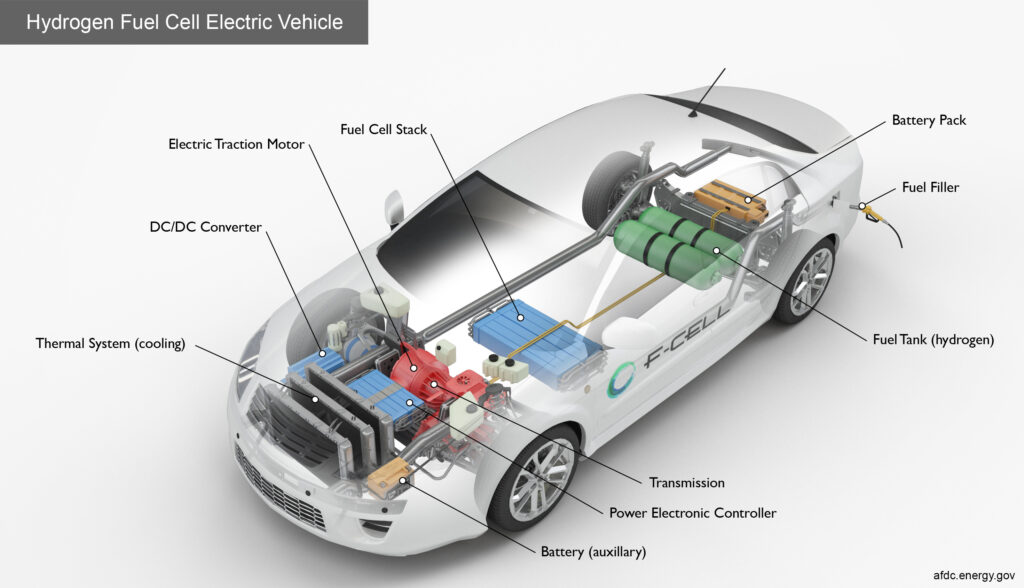
Hydrogen FCVs are electric vehicles that use hydrogen as a fuel source. The process works as follows: hydrogen is stored in tanks within the vehicle and used to generate electricity in a fuel cell. This electricity powers an electric motor, which propels the vehicle forward. The only byproduct of this reaction is water vapor, making hydrogen FCVs a zero-emission mode of transportation.
History of Hydrogen Fuel Cell Vehicles
Despite their potential, hydrogen FCVs have struggled to gain traction in the market. One major challenge has been the high cost of production and storage. However, there are many examples of successful hydrogen FCV models, including the Toyota FCV, Sequel from General Motors, Aston Martin Rapide S, Ford Edge, Honda FCX Clarity, and others.
Why Hydrogen Fuel Cell Vehicles Matter
Hydrogen FCVs offer several benefits over traditional fossil-fuel-based vehicles. They produce zero emissions of greenhouse gases and air pollutants, making them an attractive solution for urban areas. Additionally, hydrogen can be extracted from renewable energy sources, such as solar or wind power, which could significantly reduce the carbon footprint of transportation.
One of the key advantages of hydrogen FCVs is their potential to improve air quality in urban areas. Traditional fossil-fuel-based vehicles emit a range of pollutants, including particulate matter, nitrogen oxides, and volatile organic compounds (VOCs), which contribute to poor air quality and negative health effects. Hydrogen FCVs, on the other hand, produce only water vapor as a byproduct, making them an attractive option for urban transportation.
The Challenges of Hydrogen Fuel Cell Vehicles
While hydrogen FCVs hold great promise, there are several challenges that need to be addressed. One major issue is the high cost of production and storage. Currently, the cost of producing a single hydrogen FCV can range from $200,000 to over $500,000, making them more expensive than traditional fossil-fuel-based vehicles.
Additionally, extracting hydrogen from renewable energy sources requires significant infrastructure development. Hydrogen can be produced from water through electrolysis, but this process is still relatively expensive and energy-intensive. Furthermore, the current lack of hydrogen refueling stations makes it difficult for consumers to use these vehicles.
Production and Storage Challenges
Storing hydrogen is a complex task. Hydrogen is highly flammable and requires specialized containers to store safely. Moreover, the high energy density required to store hydrogen means that large tanks are needed, which adds weight and complexity to the vehicle. Currently, most hydrogen FCVs require large tanks of liquid hydrogen or compressed hydrogen gas.
Another challenge facing hydrogen FCVs is the need for efficient electrolysis systems. Electrolysis is the process by which water is split into hydrogen and oxygen using electricity. The efficiency of this process is critical, as it directly affects the overall efficiency of the vehicle. Currently, most electrolysis systems have an efficiency rate of around 60-70%, leaving room for improvement.
The Future of Hydrogen Fuel Cell Vehicles
Despite the challenges, there is a growing interest in hydrogen FCVs. Many countries, including Japan, South Korea, and the United States, are investing heavily in hydrogen infrastructure development. The European Union has also set ambitious targets for hydrogen fuel cell vehicles, aiming to have 1 million units on the road by 2025.
Several companies, including Toyota, Honda, and General Motors, are working on more efficient and cost-effective hydrogen FCV models. These efforts include the development of new electrolysis systems, more efficient fuel cells, and improved storage technologies.
Conclusion
Hydrogen fuel cell vehicles offer a promising solution for sustainable transportation. While there are challenges to be addressed, the benefits of zero emissions and reduced carbon footprint make them an attractive option for consumers. As technology continues to evolve, we can expect to see more efficient and cost-effective hydrogen FCVs on the market.
Frequently Asked Questions
- What is a Hydrogen Fuel Cell Vehicle?
A Hydrogen Fuel Cell Vehicle (HFCV) is an electric vehicle that uses hydrogen as a fuel source to generate electricity in a fuel cell, which powers an electric motor. - How do Hydrogen Fuel Cell Vehicles work?
Hydrogen FCVs use hydrogen to generate electricity in a fuel cell, which powers an electric motor. The only byproduct of this reaction is water vapor. - What are the benefits of Hydrogen Fuel Cell Vehicles?
Hydrogen FCVs offer zero emissions of greenhouse gases and air pollutants, making them an attractive solution for urban areas. Additionally, hydrogen can be extracted from renewable energy sources, reducing the carbon footprint of transportation. - Why are Hydrogen Fuel Cell Vehicles still not widely adopted?
Despite their potential, hydrogen FCVs have struggled to gain traction in the market due to high production and storage costs, as well as a lack of infrastructure development. - What is being done to address the challenges of Hydrogen Fuel Cell Vehicles?
Many countries are investing heavily in hydrogen infrastructure development, and companies like Toyota and Honda are working on more efficient and cost-effective hydrogen FCVs. - How many Hydrogen Fuel Cell Vehicles are currently on the road?
There are estimated to be around 200 hydrogen FCV models on the road worldwide, with the majority in California, USA. - What is the future of Hydrogen Fuel Cell Vehicles?
Hydrogen FCVs hold great promise for sustainable transportation, and we can expect to see more efficient and cost-effective models on the market as technology continues to evolve. - How can consumers support the development of Hydrogen Fuel Cell Vehicles?
Consumers can support the development of hydrogen FCVs by encouraging their governments to invest in infrastructure development, purchasing hydrogen FCV models, and spreading awareness about the benefits of these vehicles.
Hydrogen Infrastructure Development
One of the key challenges facing hydrogen FCVs is the lack of infrastructure development. Hydrogen refueling stations are still in the early stages of development, with only a handful of stations currently operational in California, USA.
To address this challenge, governments and companies are investing heavily in the development of new hydrogen refueling infrastructure. In Japan, for example, the government has set ambitious targets to establish 1,000 hydrogen refueling stations by 2025.
In addition to hydrogen refueling stations, there is also a need for more efficient electrolysis systems that can produce high-quality hydrogen from renewable energy sources. Companies like Toyota and Honda are working on new electrolysis technologies that can increase efficiency rates and reduce costs.
Renewable Energy Sources
Another challenge facing hydrogen FCVs is the need to extract hydrogen from renewable energy sources. Currently, most hydrogen production comes from fossil fuels, which contributes to greenhouse gas emissions.
However, there is a growing interest in using renewable energy sources, such as solar and wind power, to produce hydrogen. These energy sources are becoming increasingly cost-competitive with fossil fuels, making them an attractive option for hydrogen production.
In Japan, for example, the government has set ambitious targets to generate 20% of its electricity from renewable energy sources by 2030. This will provide a significant boost to the development of hydrogen infrastructure and help reduce greenhouse gas emissions.
Conclusion
Hydrogen fuel cell vehicles offer a promising solution for sustainable transportation. While there are challenges to be addressed, the benefits of zero emissions and reduced carbon footprint make them an attractive option for consumers. As technology continues to evolve, we can expect to see more efficient and cost-effective hydrogen FCVs on the market.
Future Directions
There are several future directions that could help address the challenges facing hydrogen FCVs. These include:
- The development of new electrolysis systems that can increase efficiency rates and reduce costs
- The establishment of more efficient hydrogen refueling stations
- The use of renewable energy sources to produce high-quality hydrogen
- The development of more affordable and efficient storage technologies for hydrogen
By addressing these challenges, we can unlock the full potential of hydrogen fuel cell vehicles and make them a viable option for sustainable transportation.
Conclusion
Hydrogen fuel cell vehicles offer a promising solution for sustainable transportation. While there are challenges to be addressed, the benefits of zero emissions and reduced carbon footprint make them an attractive option for consumers. As technology continues to evolve, we can expect to see more efficient and cost-effective hydrogen FCVs on the market.
Final Thoughts
The future of transportation is uncertain, but one thing is clear: sustainable transportation options are essential for reducing greenhouse gas emissions and improving air quality. Hydrogen fuel cell vehicles offer a promising solution for sustainable transportation, and it’s essential that we continue to invest in their development and infrastructure.
By working together, we can unlock the full potential of hydrogen fuel cell vehicles and make them a viable option for sustainable transportation. The future is bright, and with continued innovation and investment, we can create a more sustainable transportation system for all.


