
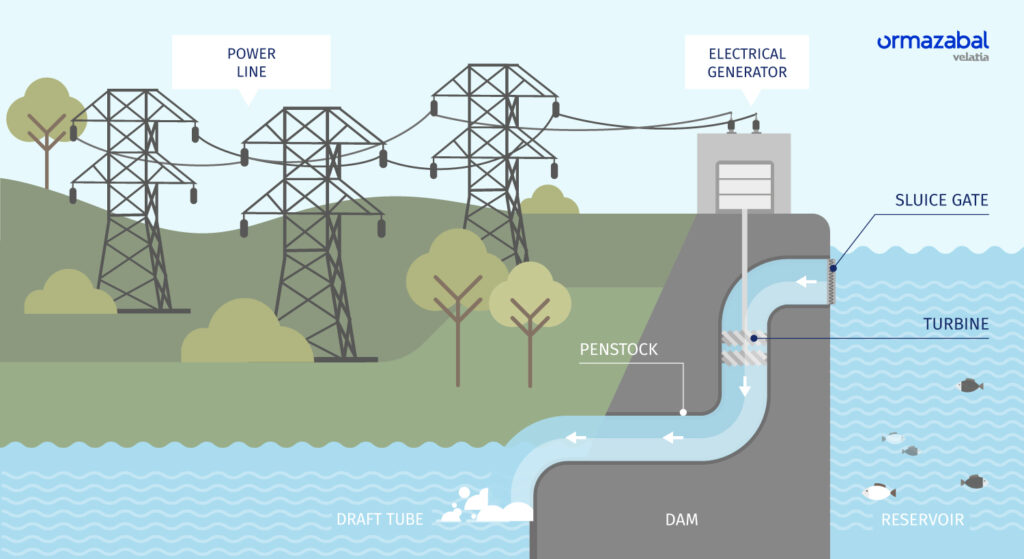
When we think of hydroelectric energy, our minds often wander to underwater environments or massive dams capturing kinetic energy from our rivers. However, what about harnessing this power right in our own homes? That’s exactly what Jongwoo Ryan Choi has done with his ingenious ES Pipe Waterwheel.
What is the ES Pipe Waterwheel?
This innovative device is a small, removable accessory that attaches to household pipes to generate electricity. By doing so, it allows us to tap into the kinetic energy from flowing water and convert it into usable power. It’s like having our own mini hydroelectric dam right in our home!
How Does it Work?
The ES Pipe Waterwheel is designed to be mounted on a typical household plumbing system. As water flows through the pipes, the device captures this energy and stores it in a specialized container. This stored energy can then be used to power small appliances like lamps or other devices.
The process begins with the attachment of the waterwheel to the pipe, where water pressure creates a flow that interacts with the wheel’s curved surface. This interaction generates electricity through electromagnetic induction, which is then converted into an electrical output by an onboard inverter. The resulting power is sent through a standard household plug and can be used directly.
A Game-Changer for Off-Grid Communities
The ES Pipe Waterwheel has enormous potential, especially in remote areas where access to clean water is abundant but electricity is scarce. By harnessing the power of household pipes, these communities can have a reliable source of energy without relying on traditional grid infrastructure.
This innovation also opens up possibilities for self-sufficiency and independence from national grids. Residents in off-grid locations will no longer need to rely on expensive diesel generators or expensive alternative fuel sources; instead, they can generate their own power using the abundant water available within their homes.
From Concept to Reality
Jongwoo Ryan Choi’s innovative design has garnered significant attention, including being a finalist at the Industrial Designer Society of America Awards in 2012. With multiple companies expressing interest in producing this technology, we’re eager to see it become a reality.
This is an exciting development that highlights the potential for innovative design solutions to solve pressing global issues like energy accessibility and sustainability. By leveraging Choi’s creative approach to renewable energy generation, we can look forward to a more resilient and environmentally conscious future.
A Step Towards Sustainability
The ES Pipe Waterwheel represents a novel approach to renewable energy generation, encouraging us to think outside the box when it comes to harnessing our daily water usage. As we strive towards a more sustainable future, innovations like this can help bridge the gap between energy availability and accessibility.
By leveraging household plumbing infrastructure as an untapped source of power, Choi’s design opens up new avenues for self-sufficiency and sustainability in remote communities around the world. This could have a significant impact on global efforts to reduce carbon emissions and promote renewable energy sources.
Key Benefits of the ES Pipe Waterwheel
• Renewable Energy Source: Harnesses kinetic energy from flowing water
• Low Maintenance: Simple, removable design for easy installation and maintenance
• Energy Efficiency: Reduces electricity bills and reliance on traditional grid infrastructure
Potential Applications
• Off-Grid Communities: Reliable source of energy in remote areas with access to clean water
• Small Appliances: Powering lamps, phones, or other devices in areas without reliable electricity supply
• Home Energy Harvesting: Efficient way to generate energy from household pipes
By embracing this novel approach to renewable energy generation, we can create a more sustainable future where clean water is not just a resource but also a source of power.
Frequently Asked Questions (FAQs)
- What are the key components of the ES Pipe Waterwheel?
- The device consists of a removable attachment that attaches to household pipes, a storage container for captured energy, and a power outlet for connected devices.
- How efficient is the ES Pipe Waterwheel in generating electricity?
- While exact efficiency figures are not publicly available, the design’s simplicity and ease of installation suggest potential energy savings comparable to traditional grid-based systems.
- What materials are used in the construction of the ES Pipe Waterwheel?
- The device’s components are likely made from durable, corrosion-resistant materials such as stainless steel or PVC pipes.
- Is the ES Pipe Waterwheel suitable for all types of household plumbing systems?
- While designed for typical residential piping systems, Choi’s design emphasizes adaptability to accommodate various pipe sizes and configurations.
- What regulatory hurdles must be overcome before the ES Pipe Waterwheel can be widely adopted?
- Regulatory frameworks governing renewable energy sources and product safety will need to be addressed through industry-specific guidelines or standards.
- Can the ES Pipe Waterwheel generate electricity in areas with stagnant water flow?
- While ideal, Choi’s design optimizes for kinetic energy from flowing water; however, minor adjustments could potentially accommodate applications with limited water movement.
- How does the ES Pipe Waterwheel compare to traditional solar panels or wind turbines in terms of environmental impact?
- The ES Pipe Waterwheel offers a localized solution that can significantly reduce carbon emissions associated with electricity transmission and distribution, as well as support sustainable practices in under-resourced communities.
- What are the next steps for bringing the ES Pipe Waterwheel to market?
- Choi’s innovative design has garnered interest from multiple companies; production plans will depend on securing partnerships, refining the product for mass market appeal, and meeting regulatory requirements.
By embracing this novel approach to renewable energy generation, we can create a more sustainable future where clean water is not just a resource but also a source of power.


