
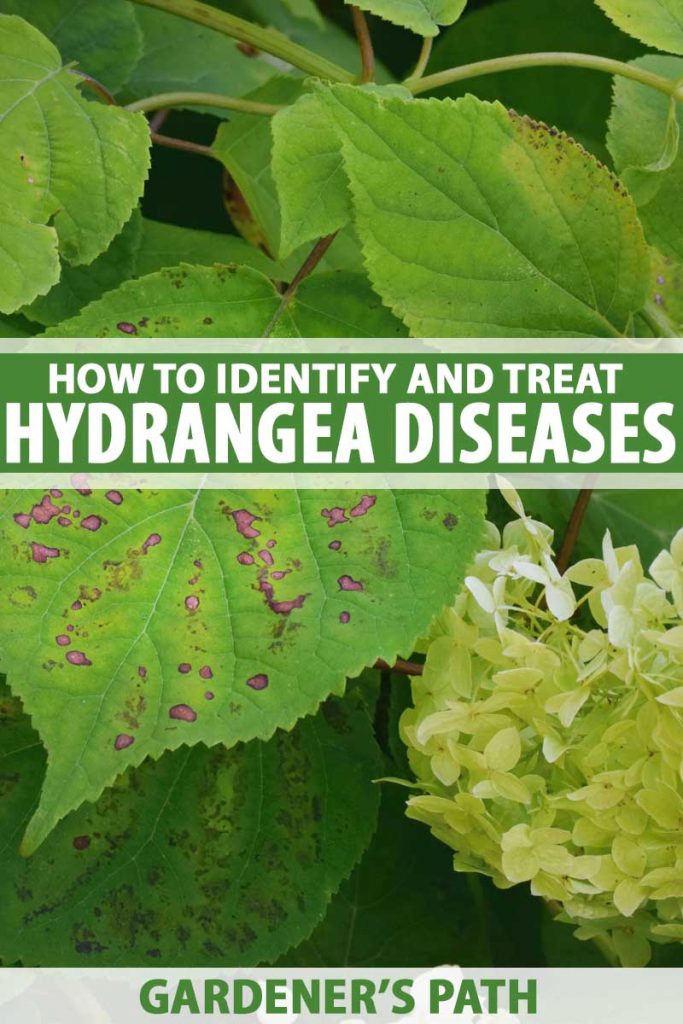
Hydrangeas are beautiful flowering plants that bring color to our gardens. However, they can be quite challenging to care for when they fall ill. In this article, we’ll explore the different diseases that can affect hydrangeas, their symptoms, and most importantly, how to treat them effectively.
Why Hydrangea Diseases Can Be So Difficult to Cure
Hydrangea diseases can be particularly difficult to cure because of their advanced stages. When the symptoms are already in an advanced stage, it may be challenging to restore the hydrangea to its original splendor. Additionally, many commercial fungicides contain toxic chemicals that harm the environment.
Fortunately, there are natural remedies available for treating hydrangea diseases. In this article, we’ll discuss some effective methods for dealing with common hydrangea diseases and provide tips on how to prevent them from occurring in the first place.
Understanding Oidium Disease
Oidium disease is a fungal infection that affects many plants, including hydrangeas. It’s characterized by white spots on leaves and stems. In its advanced stages, the disease can lead to wilting and dropping of leaves and branches.
Symptoms of Oidium Disease in Hydrangeas
- White or yellowish patches appear on leaves and stems
- Leaves become distorted and curled
- Stems turn brown and brittle
- Wilting and dropping of leaves and branches
Treating Oidium Disease in Hydrangeas
To treat oidium disease in hydrangeas, you need to adjust the pH level of the soil. You can do this by mixing 2-3 drops of soap with 1/2 cup of baking soda in a liter of water and spraying it directly on the leaves and stems.
Another effective method is to use neem oil, which has antifungal properties that help control oidium disease. Mix 2 tablespoons of neem oil with 1 quart of water and spray it on the plant every week for 4-6 weeks.
Treating Viral or Bacterial Diseases
If your hydrangea is affected by viral or bacterial diseases, you can prepare a spray solution using garlic. Simply crush two cloves of garlic and mix them with 1 liter of water. Add 4 drops of dish soap to create a more effective solution. Stir well and store it in an airtight container until you’re ready to use it.
Symptoms of Viral or Bacterial Diseases in Hydrangeas
- Yellowing or bronzing of leaves
- Wilting and dropping of leaves
- Black spots or lesions on leaves and stems
- Premature blooming or bud drop
Treating Moulds and Fungal Diseases
If you notice black spots or rust on your hydrangea, it’s time to act quickly. Mix two aspirin tablets with 1 liter of water and spray the solution directly on the plant. This remedy can also help treat oidium disease. If the problem persists, consider using a natural fungicide like poltiglia bordolese.
Preventing Hydrangea Diseases
One of the best ways to prevent hydrangea diseases is through regular garden maintenance. Make sure to water your hydrangeas in the morning and avoid getting water on the leaves or flowers. Regular pruning can also help improve air circulation around the plant, reducing the risk of fungal infections.
Another crucial aspect of preventing hydrangea diseases is fertilizing the plants regularly. A balanced fertilizer provides the necessary nutrients for optimal growth and helps boost the plant’s immune system. Use a complete fertilizer that contains micronutrients, as well as other essential nutrients like nitrogen and phosphorus.
Choosing the Right Fertilizer
When choosing a fertilizer, select one specifically designed for hydrangeas. These fertilizers are formulated to meet the unique needs of these plants. Look for natural and organic options that are free from harmful chemicals.
Some popular fertilizer options for hydrangeas include:
- Miracle-Gro Shake ‘n Feed All Purpose Plant Food
- Espoma Organic Bloom! Plant Food
- E.B. Stone Organics Bloom! Plant Food
Common Hydrangea Diseases
Here are some common diseases that can affect hydrangeas:
- Oidium disease: A fungal infection that causes white or yellowish spots on leaves and stems.
- Moulds and fungal diseases: Caused by fungi, these diseases can lead to black spots or lesions on leaves and stems.
- Viral diseases: Can cause yellowing or bronzing of leaves, wilting, and dropping of leaves.
- Bacterial diseases: Can cause black spots or lesions on leaves and stems, as well as premature blooming or bud drop.
Natural Remedies for Hydrangea Diseases
Here are some natural remedies that can help treat common hydrangea diseases:
- Neem oil: Has antifungal properties that help control oidium disease.
- Garlic spray: Can be used to treat viral and bacterial diseases by creating a solution with crushed garlic and water.
- Baking soda: Can be used to adjust the pH level of the soil and prevent fungal infections.
- Aspirin remedy: Mix aspirin tablets with water to create a solution that can help treat moulds and fungal diseases.
Tips for Preventing Hydrangea Diseases
Here are some tips for preventing hydrangea diseases:
- Water in the morning: Avoid getting water on leaves or flowers to prevent fungal infections.
- Regular pruning: Improve air circulation around the plant by regularly pruning it.
- Fertilize regularly: Use a balanced fertilizer that provides necessary nutrients for optimal growth and helps boost the plant’s immune system.
- Monitor your plants: Regularly inspect your hydrangeas for signs of disease and take action quickly if you notice any problems.
In conclusion, dealing with hydrangea diseases requires patience, persistence, and the right treatment approach. By understanding the different types of diseases, treating them effectively, and practicing good garden hygiene, you can keep your hydrangeas healthy and thriving.
Frequently Asked Questions
Q: What is the best way to treat oidium disease in hydrangeas?
A: Adjusting the pH level of the soil by mixing soap and baking soda can help treat oidium disease. Spraying directly on leaves and stems helps prevent further damage.
Q: How do I prepare a spray solution for viral or bacterial diseases in hydrangeas?
A: Mix crushed garlic with water and add dish soap to create an effective solution.
Q: What is the best way to treat moulds and fungal diseases in hydrangeas?
A: Use a natural fungicide like poltiglia bordolese, or mix aspirin tablets with water and spray directly on the plant.
Q: How often should I fertilize my hydrangeas?
A: Fertilize your hydrangeas regularly using a balanced fertilizer that contains micronutrients and other essential nutrients.
Q: What type of fertilizer is best for hydrangeas?
A: Choose a fertilizer specifically designed for hydrangeas, and opt for natural and organic options that are free from harmful chemicals.


