
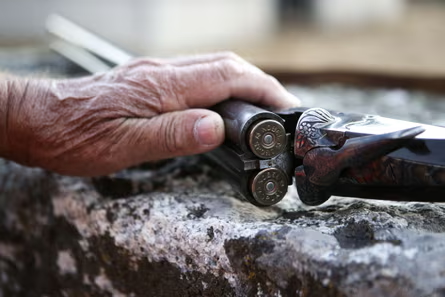
The use of lead bullets in wetland ecosystems has become a pressing concern for conservationists and wildlife experts alike. The EU’s recent ban on lead bullets in these sensitive environments is a significant step towards protecting the delicate balance of these ecosystems.
In this article, we’ll delve into the impact of lead bullets on wetland ecosystems, exploring the effects on wildlife, water quality, and the broader ecosystem.
The Effects of Lead Bullets on Wildlife
Lead bullets pose a significant threat to wildlife in wetland ecosystems. The primary concern is the impact on waterfowl, which are often hunted in these areas. Lead bullets can cause:
- Avian Fatalities: Lead bullets can kill or injure large numbers of birds, leading to population declines and even extinction.
- Ingestion of Lead: Birds may ingest lead fragments, which can accumulate in their bodies and cause long-term harm.
- Behavioral Changes: Exposure to lead can alter the behavior of waterfowl, making them more vulnerable to predators or other environmental stressors.
The Effects of Lead Bullets on Water Quality
Lead bullets also contaminate waterways, affecting the quality of the aquatic environment. When lead bullets are fired, they release toxic lead particles into the air and water, contaminating the ecosystem.
- Leaching of Lead: Lead bullets can leach into soil and groundwater, making it available to other organisms in the ecosystem.
- Bioaccumulation: Lead can accumulate in aquatic plants and animals, potentially causing long-term harm to these species.
- Human Consumption: Drinking water contaminated with lead can pose a significant risk to human health.
The Broader Ecosystem Impacts
The use of lead bullets in wetland ecosystems has far-reaching consequences for the broader ecosystem. The impact on wildlife can have cascading effects, leading to changes in food webs and potentially altering the entire ecosystem.
- Trophic Cascades: Changes in one species population can ripple through the ecosystem, affecting other species that rely on them for survival.
- Ecosystem Resilience: The loss of key species or functional groups can reduce the resilience of ecosystems, making them more vulnerable to environmental stressors.
- Biodiversity Loss: The degradation of wetland ecosystems due to lead bullet use can contribute to biodiversity loss and ecosystem collapse.
Conservation Efforts
The EU’s ban on lead bullets in wetlands is a crucial step towards protecting these sensitive ecosystems. However, it is essential to continue conservation efforts beyond the ban:
- Hunting Regulations: Implementing regulations on hunting practices, such as restricting the use of lead ammunition, can help reduce the impact on wildlife.
- Alternative Ammunition: Promoting alternative ammunition options, like copper-plated bullets or non-lead alternatives, can help minimize the risk of environmental contamination.
- Research and Monitoring: Conducting research and monitoring programs to better understand the impacts of lead bullets on wetland ecosystems can inform conservation efforts.
Conclusion
The use of lead bullets in wetland ecosystems poses significant risks to wildlife, water quality, and the broader ecosystem. The EU’s ban on lead bullets is a crucial step towards protecting these sensitive environments, but it is essential to continue conservation efforts beyond the ban. By working together to protect wetland ecosystems, we can help maintain the health and resilience of these critical habitats.
Frequently Asked Questions
- What are the primary concerns with using lead bullets in wetlands?
The primary concerns with using lead bullets in wetlands include avian fatalities, ingestion of lead, and behavioral changes in waterfowl. - How does the use of lead bullets affect water quality?
Lead bullets can contaminate waterways, affecting the quality of the aquatic environment through leaching, bioaccumulation, and human consumption. - What are the broader ecosystem impacts of using lead bullets in wetlands?
The use of lead bullets in wetland ecosystems has far-reaching consequences for the broader ecosystem, including trophic cascades, ecosystem resilience, and biodiversity loss. - What conservation efforts can be implemented beyond the EU ban on lead bullets?
Conservation efforts can include implementing regulations on hunting practices, promoting alternative ammunition options, and conducting research and monitoring programs to better understand the impacts of lead bullets on wetland ecosystems. - How can individuals contribute to protecting wetland ecosystems?
Individuals can contribute to protecting wetland ecosystems by supporting conservation efforts, advocating for policy changes, and participating in research and monitoring programs.
Additional Resources
For further information on the impact of lead bullets on wetland ecosystems, consult the following resources:
- European Union: Lead Bullets in Wetlands – A Brief Overview
- National Audubon Society: Lead-Free Hunting: A Guide for Hunters and Conservationists
- International Union for Conservation of Nature (IUCN): Lead-Free Hunting Guidelines


