
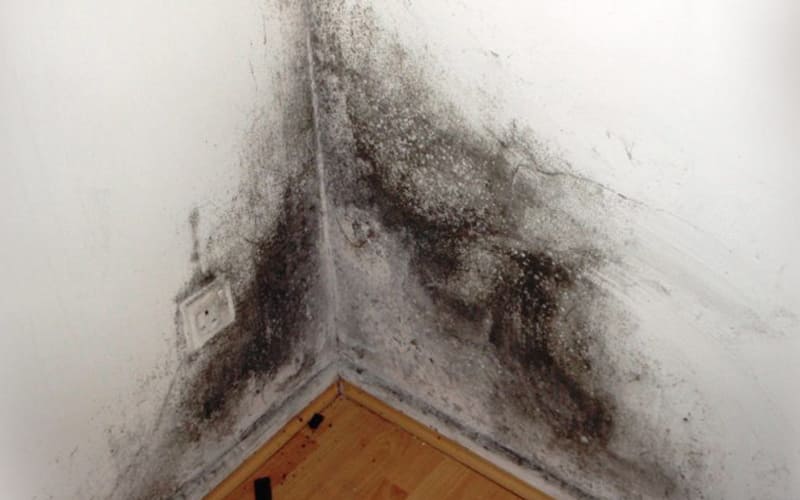
Understanding Moisture on Walls: Causes and Consequences
As a homeowner or building owner, it’s essential to understand the causes of moisture on walls and take prompt action to prevent damage. Moisture on walls can lead to serious issues, including mold growth, structural damage, and costly repairs. In this article, we’ll delve into the different types of moisture that can affect walls and provide practical solutions to address these problems.
Causes of Moisture on Walls
Moisture on walls can be caused by various factors:
- Rainwater penetration: When rain hits a wall, it can seep into the structure, especially if there are gaps or cracks in the foundation.
- Condensation: The difference between indoor and outdoor temperatures can lead to condensation, which can cause water droplets to form on walls. This is often seen as white or gray stains, known as efflorescence, on walls made of cement or lime-based materials.
- Infiltration: Leaks from pipes, plumbing systems, or other sources can introduce moisture into a building’s structure.
- Capillary action: Water can rise up through the soil and enter a wall through capillary action, which is the ability of water to move through narrow spaces.
Addressing Moisture Issues on Walls
To address moisture issues on walls, consider the following solutions:
- Hydrophobic treatments: Applying hydrophobic (water-repelling) coatings or sealants can help prevent rainwater from penetrating the wall.
- Ventilation: Ensuring proper ventilation in buildings can help reduce condensation and minimize the growth of mold and mildew.
- Inspections and repairs: Regular inspections can identify areas where water is entering the building, and prompt repairs can prevent more extensive damage.
Preventing Moisture Issues on Walls
To prevent moisture issues on walls, follow these best practices:
- Regular maintenance: Regularly inspect walls for signs of moisture or damage.
- Seal gaps and cracks: Caulk any gaps or cracks in the foundation, walls, or roof to prevent water from entering.
- Use breathable materials: Use breathable building materials, such as cement-based products with added moisture-resistant properties, to help regulate humidity levels.
Conclusion
Moisture on walls can have serious consequences for a building’s structure and occupants’ health. By understanding the causes of moisture issues and taking prompt action to address these problems, homeowners and building owners can prevent costly repairs and ensure a safe and healthy living or working environment.
Frequently Asked Questions (FAQs)
-
What are the signs of moisture on walls?
- White or gray stains, known as efflorescence, on walls made of cement or lime-based materials
- Water droplets or streaks on windows or other surfaces
- Musty odors or mold growth
-
How can I prevent moisture issues on walls?
- Regularly inspect walls for signs of moisture or damage
- Seal gaps and cracks in the foundation, walls, or roof
- Use breathable building materials with added moisture-resistant properties
-
What are the best practices for addressing moisture issues on walls?
- Apply hydrophobic treatments to prevent rainwater penetration
- Ensure proper ventilation in buildings to reduce condensation and minimize mold growth
- Perform regular inspections and repairs to identify areas where water is entering the building
Moisture Issues: A Growing Concern
Moisture issues on walls are becoming increasingly common due to various factors, such as climate change, aging infrastructure, and increased population density. As a result, it’s essential for homeowners and building owners to be aware of the causes and consequences of moisture issues on walls.
The Importance of Early Detection
Early detection of moisture issues is crucial in preventing further damage. Signs of moisture issues can include:
- Water stains or discoloration on walls
- Musty odors or mold growth
- Warping or buckling of wooden surfaces
If you suspect that your building has a moisture issue, it’s essential to address the problem promptly. Ignoring moisture issues can lead to costly repairs and compromise the health and safety of occupants.
Best Practices for Preventing Moisture Issues
Preventing moisture issues requires a proactive approach. Here are some best practices:
- Regular inspections: Regularly inspect walls for signs of moisture or damage.
- Seal gaps and cracks: Caulk any gaps or cracks in the foundation, walls, or roof to prevent water from entering.
- Use breathable materials: Use breathable building materials, such as cement-based products with added moisture-resistant properties.
By understanding the causes of moisture issues on walls and taking prompt action to address these problems, homeowners and building owners can prevent costly repairs and ensure a safe and healthy living or working environment.
Conclusion
Moisture on walls can have serious consequences for a building’s structure and occupants’ health. By understanding the causes of moisture issues and taking prompt action to address these problems, homeowners and building owners can prevent costly repairs and ensure a safe and healthy living or working environment.
In conclusion, moisture issues on walls are a growing concern that requires attention and action. By following best practices for preventing moisture issues and addressing them promptly, we can protect our buildings and ensure the health and safety of occupants.
Additional Tips
- Consider hiring a professional to inspect your building’s foundation, walls, or roof if you suspect a moisture issue.
- Use a dehumidifier to reduce humidity levels in your building.
- Ensure proper ventilation in buildings to reduce condensation and minimize mold growth.
By taking proactive steps to address moisture issues on walls, we can prevent costly repairs and ensure a safe and healthy living or working environment.


