
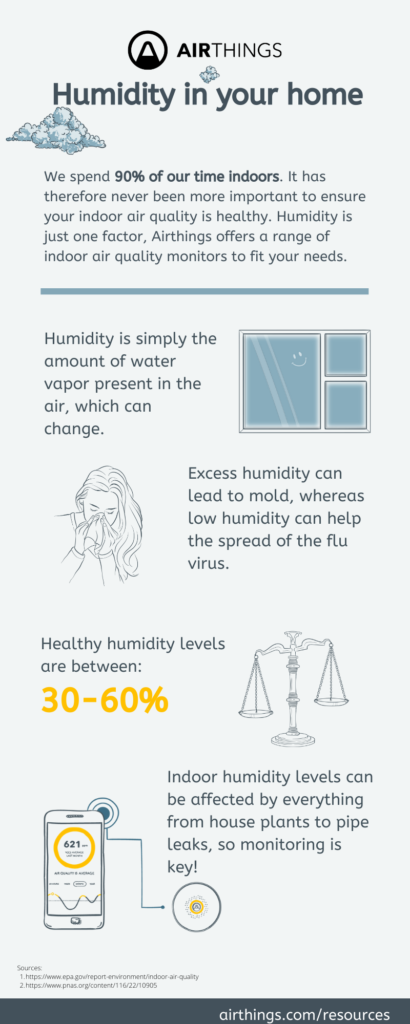
Humidity refers to the amount of moisture present in the air. In your home, excessive humidity can lead to a range of problems, from mild discomfort to serious health issues. In this article, we’ll explore the causes of high humidity in your home, its effects on your health and belongings, and provide practical solutions to mitigate its impact.
The Dangers of High Humidity
High humidity in your home can lead to a range of problems, including:
- Respiratory issues: Excessive moisture in the air can exacerbate conditions like asthma and allergies.
- Mold and mildew growth: High humidity creates an ideal environment for mold and mildew to thrive, leading to unpleasant odors and health concerns.
- Damage to belongings: Water damage from high humidity can result in costly repairs or replacement of furniture, flooring, and other household items.
Causes of High Humidity
There are several factors that contribute to high humidity in your home. Some common causes include:
- Poor ventilation: Inadequate airflow can lead to moisture buildup in the air.
- Leaks in the roof or walls: Water damage from leaks can increase humidity levels.
- Condensation on windows and doors: When warm, moist air meets a cold surface, condensation occurs, leading to high humidity.
- Inadequate insulation: Poor insulation can allow heat and moisture to escape, increasing humidity levels.
- Climate change: Changes in temperature and precipitation patterns can lead to increased humidity.
Measuring Humidity: The Igrometro
To determine if your home is experiencing high humidity, you can use an igrometer, also known as a hygrometer. These devices measure the relative humidity (RH) in the air and provide an accurate reading of the moisture level.
There are various types of igrometers available, ranging from simple, inexpensive models to more advanced devices with additional features like temperature readings. Some popular options include:
- The Bresser Igrometro: This device offers a compact design and a high degree of accuracy, making it an excellent choice for homeowners.
- Amazon’s Igrometer: This affordable option provides a basic reading of relative humidity and can be found at a fraction of the cost of more advanced models.
Maintaining a Healthy Humidity Level
To maintain a healthy humidity level in your home, consider the following tips:
- Improve ventilation: Regularly open windows and doors to allow fresh air to circulate.
- Use dehumidifiers: These devices can help remove excess moisture from the air, reducing humidity levels.
- Inspect for leaks: Regularly check your roof and walls for signs of water damage or leaks.
Natural Remedies for High Humidity
In addition to using dehumidifiers, there are several natural remedies that can help alleviate high humidity in your home:
- Calce viva: This natural substance can absorb moisture from the air, reducing humidity levels.
- Planting greenery: Adding plants to your home can help purify the air and reduce moisture levels.
Conclusion
High humidity in your home can have serious consequences for your health and belongings. By understanding the causes of high humidity and implementing practical solutions, you can create a healthier, more comfortable living space.
Remember to regularly check your humidity level using an igrometer and take steps to maintain a healthy environment. With these tips and tricks, you’ll be well on your way to creating a home that’s both comfortable and safe.
Frequently Asked Questions
Q: What is the ideal humidity level for my home?
A: The ideal humidity level for your home depends on the temperature and climate. Generally, a relative humidity of 40-60% is considered optimal.
Q: How often should I check my humidity level?
A: It’s recommended to check your humidity level regularly, ideally once a week during peak summer months or when you notice changes in your environment.
Q: Can high humidity cause health problems?
A: Yes, high humidity can exacerbate respiratory issues and create an ideal environment for mold and mildew growth.
Q: How do I maintain a healthy humidity level naturally?
A: You can use natural remedies like calce viva or planting greenery to absorb moisture from the air and reduce humidity levels.
Q: What are some common signs of high humidity in my home?
A: Common signs include condensation on windows and doors, musty odors, and water damage.
Q: How do I know if my home is experiencing high humidity?
A: Check your igrometer or use the Bresser Igrometro to determine your relative humidity level.


