
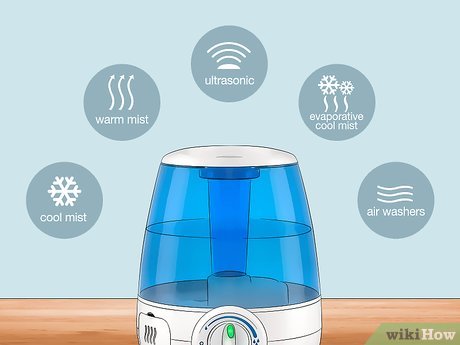
As the air in our homes becomes dry and uncomfortable, it’s essential to consider using a humidifier to maintain a healthy and pleasant indoor environment. Unlike dehumidifiers, which only remove moisture from the air, humidifiers can create the perfect humidity level for your home by adding moisture back into the air.
The Importance of Humidity Levels in Our Homes
In the summer months, our ideal humidity levels range between 40% to 60%. However, when we start using heating systems, the humidity level drops to as low as 30%, which can lead to a host of health problems, including dry lips, sore throats, congested sinuses, and respiratory issues.
The History of Humidifiers
Humidifiers have been around for centuries, with early versions made from natural materials such as wood and stone. The first powered humidifier was invented in the late 19th century, using a compressor to blow air through a wet wick. Since then, modern humidifiers have evolved significantly, incorporating advanced technologies like ultrasonic and ionization.
Types of Humidifiers: What Are Your Options?
There are several types of humidifiers available on the market, each with its unique features and benefits. Let’s explore some of the most common types:
1. Cold Mist Humidifiers
These humidifiers work by evaporating water into a cool mist that is released into the air. They have a filter to prevent impurities from being dispersed into the environment. However, if not properly maintained, these filters can harbor bacteria and other contaminants.
Pros:
- Easy to clean
- Relatively inexpensive
Cons:
- Can spread bacteria into the environment if not cleaned regularly
- May require frequent replacement of filters
2. Warm Mist Humidifiers
These humidifiers work by boiling water and then releasing a warm mist into the air. They are often more effective at maintaining humidity levels, especially in dry environments.
Pros:
- Effective at removing bacteria from the water
- Can be used in colder temperatures
Cons:
- May pose a burn risk if children or pets accidentally touch the hot tank
- Requires regular cleaning of the interior components
3. Ultrasonic Humidifiers
These humidifiers use high-frequency sound waves to create a fine mist that is released into the air.
Pros:
- Silent operation
- Effective at removing bacteria from the water
Cons:
- May require replacement of mineral filters
- Can be more expensive than other types
4. UV Humidifiers
These humidifiers incorporate UV light technology to kill bacteria and other microorganisms in the water before it is released into the air.
Pros:
- Effective at removing a wide range of bacteria and viruses
- Can be used in combination with other humidifier types
Cons:
- Requires regular replacement of UV light bulbs
- May not be as effective against certain types of bacteria
Characteristics to Consider When Choosing a Humidifier
When selecting the perfect humidifier for your home, it’s essential to consider several key characteristics:
- Portability and ease of use
- Humidity level control
- Room size capacity
- Maintenance requirements (filter replacement, cleaning)
- Safety features (burn risk prevention, UV light safety)
Top 5 Features to Look for in a Humidifier
- Automatic Shut-Off: This feature ensures that the humidifier turns off automatically when it detects a drop in water level or humidity levels.
- Mist Output Control: Some humidifiers come with adjustable mist output, allowing you to customize the amount of moisture released into the air.
- Humidity Level Display: Many modern humidifiers display the current humidity level, making it easier to monitor and adjust the setting.
- Noise Reduction: If you plan to use the humidifier in a bedroom or living room, look for models with noise-reducing features to minimize disruptions.
- Ease of Cleaning: A humidifier with easy-to-clean components can save you time and effort.
How to Choose the Right Humidifier for Your Home
Before making a purchase, consider the following factors:
- Room size: Choose a humidifier that’s designed for your room size to ensure effective humidity control.
- Humidity level requirements: Select a humidifier that meets your specific humidity needs, whether it’s for dry or humid environments.
- Budget: Set a budget and choose a humidifier within your price range.
Tips for Using a Humidifier Effectively
Using a humidifier can be an effective way to maintain healthy indoor air quality and alleviate respiratory issues. Here are some additional tips to consider:
- Regularly clean and maintain your humidifier
- Use distilled water to prevent mineral buildup and bacterial growth
- Consider adding a few drops of essential oil for added fragrance and benefits
- Don’t forget to turn off the humidifier when you’re not using it to avoid wasting energy
Common Humidifier Mistakes
To ensure optimal performance and longevity from your humidifier, avoid the following common mistakes:
- Over- or under-humidifying: Avoid setting the humidifier too high or too low, as this can lead to discomfort or health issues.
- Not cleaning regularly: Failure to clean the humidifier regularly can result in bacterial growth and reduced performance.
- Using tap water: Tap water can contain minerals that may affect the humidifier’s performance. Consider using distilled water instead.
Conclusion
Choosing the right humidifier can be overwhelming, but by understanding the different types and characteristics available, you’ll be able to make an informed decision that suits your needs. By incorporating a humidifier into your home, you can enjoy better indoor air quality and alleviate respiratory issues.
Frequently Asked Questions
- How often should I clean my humidifier?
A humidifier should be cleaned at least once a week to prevent bacterial growth. - Can humidifiers help with allergies?
Yes, humidifiers can help alleviate allergy symptoms by maintaining healthy humidity levels in your home. - Are there any specific types of bacteria that a UV humidifier is effective against?
UV humidifiers are effective against a wide range of bacteria and viruses, including E. coli, Salmonella, and influenza. - Can I use my humidifier in conjunction with other air purifiers or diffusers?
Yes, many humidifiers can be used in combination with other air purification devices for enhanced indoor air quality.
If you have any questions or concerns about choosing a humidifier or maintaining your home’s indoor air quality, feel free to reach out.


