
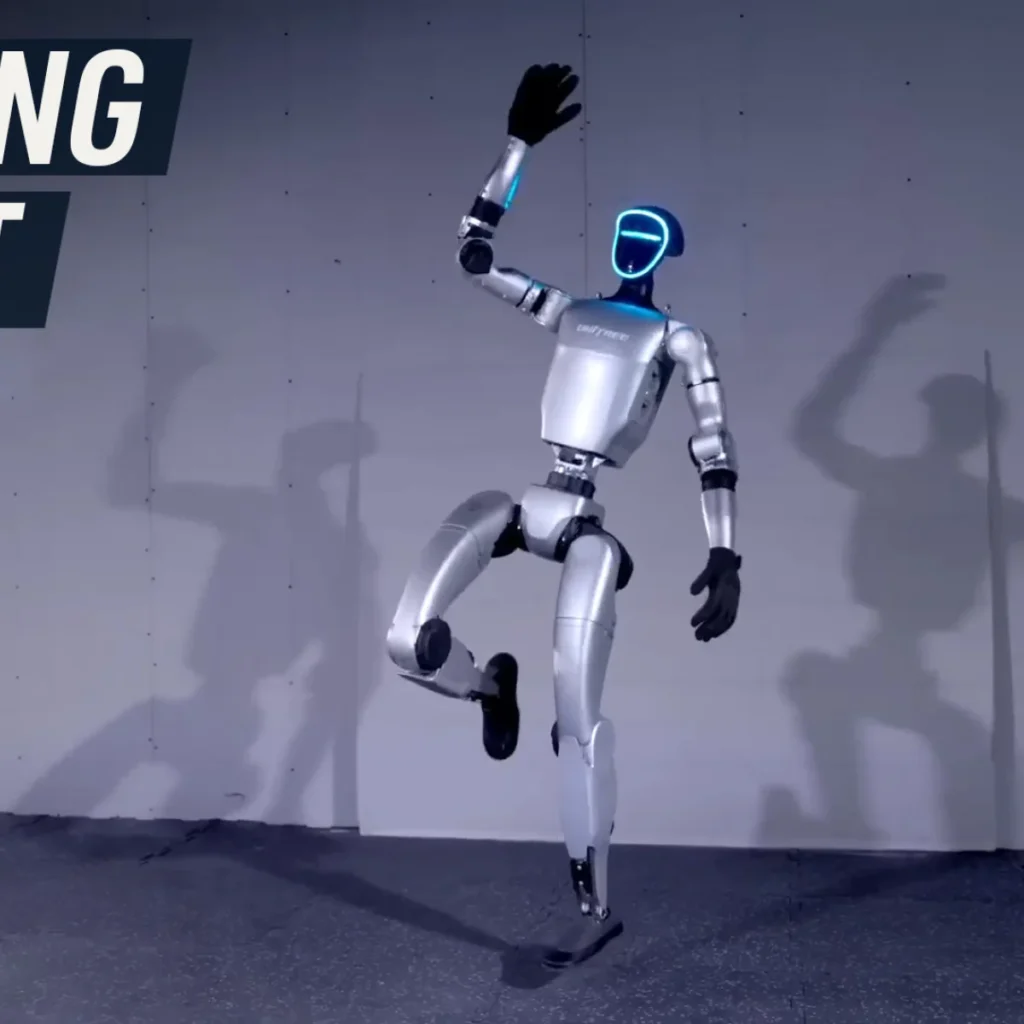
As we continue to advance in technology, one aspect that stands out is the creation of humanoid robots. These machines are designed to mimic human appearance and abilities, raising both curiosity and concerns among humans. In this article, we will delve into the world of humanoid robots, exploring their features, applications, and future possibilities.
What Are Humanoid Robots?
Humanoid robots are intelligent machines that resemble humans in terms of structure and function. They are designed to mimic human-like movements, emotions, and interactions, making them increasingly comfortable and relatable. These robots typically consist of a head, torso, arms, hands, and sometimes legs, with advanced sensors and artificial intelligence (AI) capabilities.
The primary objective of creating humanoid robots is to replicate human abilities such as physical movement, cognitive processes, and social interaction. By achieving these goals, robots can adapt to various environments and situations, making them more effective in tasks that require human-like skills.
Applications of Humanoid Robots
Humanoid robots have numerous applications across various industries, including:
- Healthcare: assisting doctors and patients with daily tasks, providing emotional support, and helping with rehabilitation
- Education: teaching programming languages, social skills, and promoting STEM education
- Service Industry: working as personal assistants, customer service representatives, and food preparation staff
These robots have the potential to improve human lives by enhancing productivity, efficiency, and safety.
Humanoid Robots in Commercial Use
Several humanoid robot models are currently available for purchase or commercial use. Some notable examples include:
- Nao: a 58 cm tall educational robot developed by Aldebaran Robotics
- Buddy: an open-source family-friendly robot designed by Blue Frog Robotics
- R1: a personal humanoid robot developed by iCub, which is still in the development stage but has shown promising results
Videos of Humanoid Robots
Viewing humanoid robots in action can be both fascinating and intimidating. The following video features Sophie, a humanoid robot created by Hanson Robotics, being interviewed by comedian Jimmy Fallon.
Humanoid Robots vs Cyborgs
While often confused with cyborgs, humanoid robots and humans with cybernetic enhancements are distinct concepts. The first recorded instance of a human-cyborg hybrid is Neil Harbisson, an artist who underwent eye implants to perceive colors.
Cybernetic enhancements involve merging biological and artificial components, whereas humanoid robots aim to replicate human-like functionality through programming and design.
Pricing Humanoid Robots
Currently, the price of humanoid robots can be prohibitively expensive for most families. However, as technology advances and competition increases, prices are expected to decrease over time. The most sophisticated models can cost upwards of €50,000.
Conclusion
Humanoid robots have become an integral part of our technological landscape, with applications in healthcare, education, and service industries. As these robots continue to evolve and improve, they will likely play a significant role in shaping the future of work and human interaction.
Q\&A
- What is the primary purpose of creating humanoid robots?
> The primary objective of creating humanoid robots is to replicate human abilities such as physical movement, cognitive processes, and social interaction. - Can humanoid robots be used for therapeutic purposes?
> Yes, humanoid robots can be utilized for therapy in various settings, including healthcare institutions and rehabilitation centers. - How do humanoid robots perceive emotions?
> Humanoid robots may use various sensors and algorithms to recognize and simulate human-like emotional expressions. - What is the potential impact of humanoid robots on employment?
- The introduction of humanoid robots could significantly alter job markets and require workers to adapt to new roles and responsibilities.
By understanding the capabilities, applications, and limitations of humanoid robots, we can better navigate their integration into our daily lives.


