
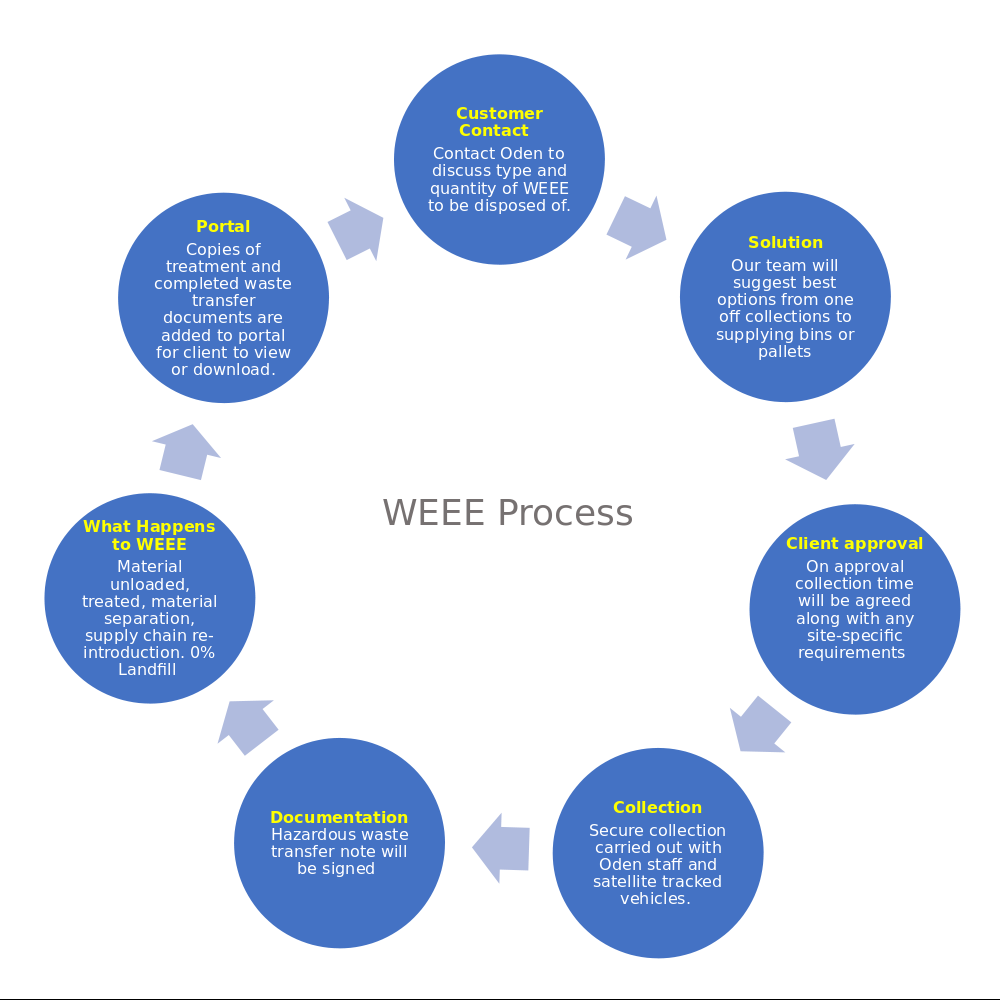
As we navigate the world of electronic waste, it’s essential to understand the norms that govern its disposal. According to the current legislation, producers and importers of electronic products are responsible for managing an integrated system for treatment, recycling, and disposal of e-waste. This means that each producer must take on a share of e-waste that is equivalent to their market share.
E-waste, short for electronic waste, refers to discarded or unwanted electronic devices such as computers, smartphones, televisions, and other electrical appliances. The rapid obsolescence of electronic products has led to an unprecedented increase in e-waste generation, posing significant environmental, health, and economic risks. In order to mitigate these impacts, it is crucial to adopt efficient e-waste recycling practices that minimize waste disposal and maximize resource recovery.
What is E-Waste Recycling?
While individuals can reuse e-waste in small quantities, the industrial-scale recycling process is vastly different. The recycling process involves specialized machinery that can disassemble and separate various components of e-waste in mere seconds. This allows for a more efficient separation of materials, increasing the potential for resource recovery.
The primary goal of e-waste recycling is to recover valuable materials from discarded electronic devices while minimizing environmental impacts. This can be achieved through various methods such as material separation, shredding, and metal extraction. For instance, copper can be extracted from printed circuit boards (PCBs) using a process known as hydrometallurgy.
The Industrial Recycling Process
In the industrial recycling process, there are two main categories of e-waste: those with display components (such as TVs, monitors, smartphones, and computer displays) and those without. The latter category includes appliances such as refrigerators, freezers, washing machines, dryers, vacuum cleaners, drills, and other non-luminous electronic devices.
The recycling process involves the recovery of materials such as:
- Ferrous metals (steel, iron)
- Non-ferrous metals (copper, aluminum, zinc)
- Plastics
- Metals (chromium, manganese, tin)
- Recyclable materials from display components
Recycling of Display Components
The recycling of display components is a significant process that involves the recovery of precious metals such as:
- Gold: up to 250 grams per tonne of e-waste recycled
- Silver: up to 120 kilograms per tonne of e-waste recycled
- Palladium: up to 75 grams per tonne of e-waste recycled
- Copper: used in various applications
Display components, including TVs, monitors, and computer displays, contain valuable materials that can be recovered through specialized recycling processes. For instance, gold is a significant component in display panels, accounting for approximately 80% of the total gold content in e-waste.
The Importance of E-Waste Recycling
E-waste recycling is crucial for several reasons:
- Material Recovery: Recycling e-waste allows for the recovery of valuable materials that can be reused and sold.
- Conservation of Natural Resources: Recycling helps conserve natural resources by reducing the need for extracting and processing raw materials.
- Environmental Benefits: Recycling reduces the amount of waste sent to landfills and minimizes the negative environmental impacts associated with e-waste disposal.
By adopting efficient e-waste recycling practices, we can mitigate the risks associated with electronic waste management while promoting a more sustainable future.
Challenges Facing E-Waste Recycling
Despite its importance, e-waste recycling faces several challenges that hinder its widespread adoption. Some of these challenges include:
- Lack of Infrastructure: The availability and accessibility of specialized recycling facilities are limited in many countries.
- High Operating Costs: Industrial-scale e-waste recycling processes can be expensive due to the need for specialized machinery and equipment.
- Inadequate Regulations: Insufficient regulations and standards governing e-waste management contribute to a lack of transparency and accountability in the industry.
The Future of E-Waste Recycling
As technology advances, so does the demand for electronic devices. However, this also means that the amount of e-waste generated will increase. To address this challenge, industries are adopting more efficient recycling processes and technologies to recover valuable materials.
Advances in recycling technologies have led to the development of innovative solutions such as:
- Mechanical Separation: This process involves separating recyclable materials from non-recyclable waste using machines designed for material separation.
- Hydrometallurgy: This process uses chemical reactions to extract metals from e-waste, allowing for more efficient recovery of valuable materials.
In conclusion, e-waste recycling is a critical process that requires industry-wide attention and cooperation. By understanding the science behind e-waste recycling, we can work towards creating a more sustainable future for our planet.
Frequently Asked Questions
- Q: What percentage of e-waste is recyclable?
A: Around 80% of e-waste can be recycled, with varying degrees of success depending on the type and condition of the devices. - Q: Which materials are recovered from e-waste recycling?
A: A wide range of materials, including metals, plastics, and display components, are recovered from e-waste recycling. - Q: How do e-waste recycling centers process e-waste?
A: E-waste recycling centers use specialized machinery to disassemble and separate components, followed by processing and refinement of the recovered materials. - Q: Can individuals recycle e-waste at home?
A: While some materials can be recycled at home, it’s recommended to take e-waste to certified recycling facilities for proper processing and disposal. - Q: What is the role of regulations in promoting e-waste recycling?
A: Regulations play a crucial role in promoting e-waste recycling by setting standards, enforcing waste management practices, and encouraging industry-wide adoption. - Q: How can individuals contribute to e-waste recycling efforts?
A: Individuals can contribute by reducing their electronic waste, properly disposing of devices at certified recycling facilities, and advocating for extended producer responsibility. - Q: What are the environmental impacts of e-waste disposal?
A: E-waste disposal can lead to pollution, toxicity, and the depletion of natural resources if not managed properly. - Q: Can e-waste recycling be made more efficient and cost-effective?
A: Yes, through advances in technology, improved recycling processes, and more effective partnerships between industries and governments.
Best Practices for E-Waste Recycling
To ensure that e-waste is recycled efficiently and effectively, it’s essential to adopt best practices such as:
- Extended Producer Responsibility: Encourage manufacturers to take responsibility for the waste generated by their products.
- Design for Recyclability: Design electronic devices with recyclability in mind, making it easier to recover valuable materials.
- Proper Disposal: Ensure that e-waste is disposed of properly through certified recycling facilities or designated collection points.
By adopting these best practices, we can create a more sustainable future for our planet and minimize the risks associated with electronic waste management.
Conclusion
E-waste recycling is a critical process that requires industry-wide attention and cooperation. By understanding the science behind e-waste recycling, we can work towards creating a more sustainable future for our planet. The importance of e-waste recycling cannot be overstated, as it has significant implications for material recovery, conservation of natural resources, and environmental benefits.
As technology advances, so does the demand for electronic devices, leading to an unprecedented increase in e-waste generation. To address this challenge, industries are adopting more efficient recycling processes and technologies to recover valuable materials.
By embracing best practices such as extended producer responsibility, design for recyclability, and proper disposal, we can create a more sustainable future for our planet.


