
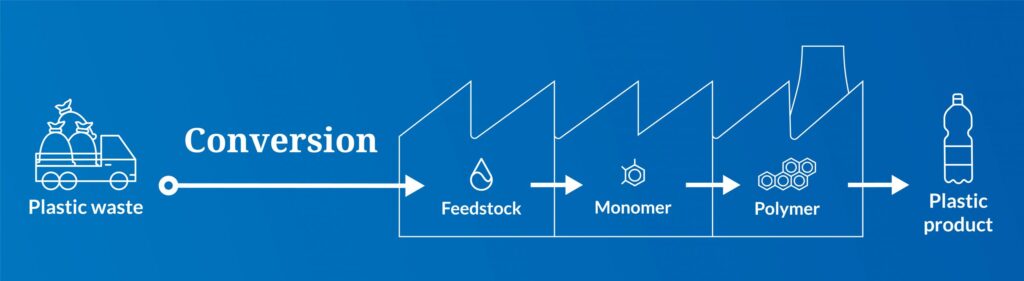
Transforming Waste into Recyclable Plastic: The Journey from Riffuto to Materie Prime Seconda
As we navigate the complex world of waste management, it’s essential to understand how waste can be transformed into a valuable resource – recyclable plastic. While many may think that recycling is a straightforward process, the journey from rifiuto (waste) to materie prima-seconda (recyclable material) is far more intricate than they might imagine.
Understanding the Importance of Recycling Plastic
Knowing how waste is transformed into recyclable plastic is crucial for us to better understand and appreciate the importance of recycling. By grasping this process, we can make informed decisions about our daily choices and contribute to a more sustainable future.
In Italy, a leading organization in this field is the CONAI (Consorzio Nazionale Imballaggi), which oversees the collection, sorting, and recycling of plastic waste from packaging materials.
A Visit to Montello Spa: A Pragmatic Approach
To illustrate how waste is transformed into recyclable plastic, let’s take a pragmatic look at an example – Montello Spa. This company specializes in collecting, selecting, and recycling plastic waste from packaging materials. By visiting their facility, we can gain insight into the process and appreciate its significance.
At Montello Spa, they handle over 120,000 tons of plastic waste from packaging materials each year. Their employees are dedicated to creating a sustainable and eco-friendly environment, making them an excellent example of how recycling can be both economically viable and environmentally friendly.
The Recycling Cycle: A Virtuous Circle
For plastic waste to become recyclable material, at least 75% of it must be transformed into materie prima-seconda first. This process is crucial for creating a virtuous circle – where every step builds upon the previous one, ensuring that no valuable resource is wasted.
After the initial transformation, any remaining materials are often processed into CSS (Combustible Solids Secondaries), which can be used as fuel in cement factories.
The Recycling Process: A Step-by-Step Guide
Now that we understand the importance of recycling and have an example to follow, let’s break down the recycling process step by step:
- Collection: The CONAI collects plastic waste from various sources, including households and businesses.
- Sorting: The collected waste is sorted based on its type and quality.
- Cleaning: Bottles, flasks, and other items are cleaned to remove labels, stickers, and dirt.
- Grinding or Shredding: Larger objects are ground into smaller pieces or shredded into tiny fragments.
- Melting: The processed materials are melted down to create a molten form.
- Forming: The molten material is then formed into new products, such as bottles, containers, or even flooring.
Creating New Products from Recyclable Material
The final stage of the recycling process involves creating new products from recyclable material. This can include:
- Bottles and containers
- Packaging materials
- Construction materials (e.g., canaline, bituminous seals)
- Textiles and clothing
By understanding the transformation process of rifiuto into materie prima-seconda, we can better appreciate the importance of recycling and make more informed choices in our daily lives.
Frequently Asked Questions
Here are some common questions about transforming waste into recyclable plastic:
- What percentage of plastic waste should be transformed into materie prima-seconda?
- At least 75% must be transformed.
- What happens to the remaining materials after the initial transformation?
- They may be processed into CSS for use in cement factories.
- How does the recycling process benefit society?
- It creates new jobs, reduces waste, and conserves resources.
By grasping these concepts, we can contribute to a more sustainable future by transforming rifiuto into materie prima-seconda and promoting environmentally friendly practices.
Case Studies: Successful Recycling Initiatives
There are numerous successful recycling initiatives around the world that demonstrate the potential of transforming waste into recyclable plastic. Here are a few examples:
- Sweden’s Waste-to-Energy Plants: Sweden has implemented an efficient system for managing its waste by converting it into energy.
- Italy’s Recycling Program: Italy has established a comprehensive recycling program to reduce waste and promote sustainability.
- United States’ Advanced Recycling Facilities: The United States is home to numerous advanced recycling facilities that convert non-recyclable materials into valuable resources.
These initiatives showcase the importance of recycling in reducing environmental impacts and promoting sustainable development.
Challenges and Opportunities
While there are many benefits to transforming waste into recyclable plastic, there are also several challenges to overcome. These include:
- Infrastructure Development: Developing adequate infrastructure is crucial for efficient collection, sorting, and processing of waste.
- Public Awareness: Educating the public about the importance of recycling can help promote behavioral changes.
- Technological Advancements: Developing more efficient technologies can enhance the recycling process and reduce costs.
Despite these challenges, there are many opportunities to innovate and improve the recycling process. Some potential areas for improvement include:
- Circular Economy Models: Implementing circular economy models that prioritize waste reduction and material reuse can help create a more sustainable future.
- Closed-Loop Production Systems: Developing closed-loop production systems where materials are continuously cycled back into products can reduce waste and conserve resources.
- Biodegradable Materials: Creating biodegradable materials from recycled plastics can provide an alternative to traditional fossil-based plastics.
By understanding the complexities of transforming waste into recyclable plastic, we can better navigate these challenges and seize opportunities for innovation and growth.
Conclusion
Transforming waste into recyclable plastic is a complex process that requires collaboration between governments, industries, and individuals. By grasping the intricacies of this journey, we can make more informed decisions about our daily choices and contribute to a more sustainable future.
As we continue to explore the potential of recycling plastics, it’s essential to recognize both the challenges and opportunities that lie ahead. By embracing innovation and working together towards a common goal, we can create a better world for generations to come.


