
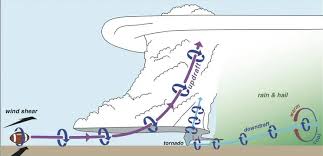
As we gaze up at the sky, wondering how those massive twisters form, it’s essential to understand the complex interplay of atmospheric conditions that lead to their creation. The formation of tornadoes is no accident; rather, it requires specific weather patterns and temperature gradients.
How Tornadoes Form: A Recipe for Disaster
For a tornado to emerge, there must be a perfect storm of atmospheric conditions. This includes a mass of warm, humid air beneath a layer of cooler, drier air. As these air masses interact, they create powerful winds that can lead to the formation of a funnel cloud. The resulting tornado can be incredibly destructive, with wind speeds reaching up to 500 km/h.
The perfect storm can occur in conjunction with severe thunderstorms, such as supercells, which are characterized by rotating updrafts and strong downdrafts. When these conditions come together, they can give rise to a true tornado. However, not all funnel clouds become tornadoes; the rotation and intensity of the winds determine whether a tornado forms.
Characteristics of Tornadoes
Now that we’ve understood how tornadoes form, let’s delve deeper into their characteristics. These rotating columns of air are also known as mesocyclones or tornado vortex columns. They can vary in diameter from 100 to 500 meters and can extend up to 1 kilometer into the sky.
Tornadoes are typically associated with severe thunderstorms, particularly supercells. The rotation of the storm can create a rotating column of air that extends from the base of the storm to the ground, causing damage and destruction in its wake. These storms can produce wind speeds of over 200 km/h, making them some of the most violent weather phenomena on Earth.
Categorization of Tornadoes
In an effort to better understand the severity of tornadoes, various classification systems have been developed. The Enhanced Fujita Scale (EF Scale) is one such system, which takes into account the wind speed and damage caused by a tornado. The scale ranges from EF0 (light damage) to EF5 (incredible damage), with each level representing an increase in wind speed and destruction.
Another classification system used in the UK is the TORRO Scale, which categorizes tornadoes based on their intensity. This scale ranges from T0 (weak tornado) to T11 (extremely violent tornado).
Tornado Frequency and Distribution
While tornadoes can occur anywhere, they are more common in certain regions of the world, such as the Great Plains of North America and parts of Asia.
The frequency and distribution of tornadoes vary depending on factors like topography, climate, and soil moisture. In general, areas with warm, humid air masses near the surface and cooler air above are more prone to tornado formation.
Types of Tornadoes
There are several types of tornadoes, each with its unique characteristics:
- Landspout: A weak tornado that forms in a supercell thunderstorm.
- Waterspout: A tornado that forms over water.
- Supercell tornado: A large, rotating column of air that forms within a supercell thunderstorm.
- Multiple-vortex tornado: A tornado with multiple columns of rotation.
Tornado Safety
While we can’t predict with certainty when and where a tornado will form, there are steps you can take to stay safe:
- Monitor weather forecasts: Keep an eye on local weather reports for signs of severe thunderstorms or tornadoes.
- Create a emergency plan: Develop a plan with your family in case of a tornado warning.
- Seek shelter immediately: If a tornado warning is issued, seek shelter in a basement or storm cellar.
- Stay informed: Keep a battery-powered radio with you to receive updates on the storm’s progress.
Tornadoes and Climate Change
Research suggests that climate change may be contributing to an increase in tornado frequency and severity. Warmer temperatures can lead to more instability in the atmosphere, which can fuel the development of severe thunderstorms.
However, it’s essential to note that correlation does not imply causation. While climate change may play a role in the increase in tornadoes, other factors like population growth and urbanization also contribute to the severity of tornado damage.
Tornado Research
Scientists are continually working to improve our understanding of tornadoes and develop new technologies to predict their formation. Some areas of research include:
- Doppler radar: Using advanced radar technology to detect wind shear and other atmospheric conditions that can lead to tornado formation.
- Computer simulations: Developing computer models to simulate the behavior of tornadoes and improve forecasting accuracy.
- Tornado chasing: Scientists are using aircraft to study tornadoes in real-time, gaining valuable insights into their behavior.
Conclusion
Tornadoes are complex weather phenomena that require specific atmospheric conditions to form. Understanding how they develop and behave is crucial for mitigating their impact and protecting lives. By exploring the characteristics of tornadoes and categorization systems, we can gain a better appreciation for these rotating columns of air and the devastating power they hold.
Additional Resources
For those interested in learning more about tornadoes, there are many online resources available, including:
- National Oceanic and Atmospheric Administration (NOAA)
- National Weather Service (NWS)
- American Meteorological Society (AMS)
These organizations provide valuable information on tornado forecasting, safety tips, and research updates.
References
- “Tornadoes: A Very Short Introduction” by Thomas J. Grazulis: This book provides an in-depth look at the science behind tornadoes.
- “The Anatomy of Tornadoes” by Dr. Louis W. Uccellini: This article explores the characteristics of tornadoes and how they form.
- “Tornado Research: An Overview” by the National Weather Service: This webpage provides an overview of the research being conducted on tornadoes.
Glossary
- Mesocyclone: A rotating column of air that forms within a thunderstorm.
- Supercell: A type of thunderstorm characterized by rotating updrafts and strong downdrafts.
- Funnel cloud: A rotating column of air that forms beneath a thunderstorm.
- Tornado vortex column: The rotating column of air that extends from the base of a tornado to the ground.
By exploring these resources, you can gain a deeper understanding of tornadoes and the importance of staying safe during severe weather events.


