
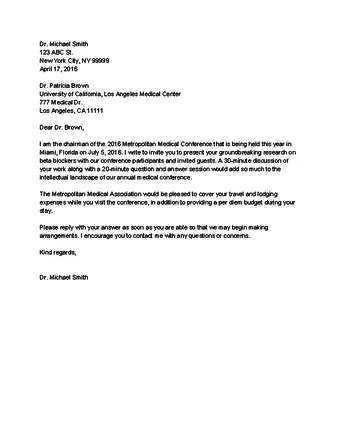
As we navigate the world of instant messaging and digital communication, it’s easy to forget the art of writing a letter. With the rise of technology, our instinct is to send a message quickly, without taking the time to craft a thoughtful and meaningful letter. But why settle for such brevity when we can convey our thoughts and feelings in a more personal and intimate way?
In this article, we’ll explore the benefits of writing a letter, from its ability to foster deeper connections to its impact on our mental health. We’ll also delve into the dos and don’ts of letter-writing, providing tips and tricks for crafting a beautiful and effective letter.
Why Write a Letter?
In today’s fast-paced world, we often find ourselves relying on digital communication to get our point across. But writing a letter offers something more profound: it allows us to slow down, reflect, and connect with others on a deeper level.
When we take the time to write a letter, we’re not just conveying information; we’re sharing our thoughts, feelings, and experiences. We’re investing in a relationship, taking the time to craft a message that’s both personal and meaningful.
The Anatomy of a Letter
So, what makes a letter truly special? Here are some key elements to consider:
- The Opening: A well-crafted opening sets the tone for the entire letter. It should be brief, yet evocative, drawing the reader in and setting the stage for the message that follows.
- The Body: This is where you develop your idea, sharing your thoughts and feelings in a way that’s both personal and relatable. Make sure to keep it concise, avoiding unnecessary tangents or filler words.
- The Closing: A thoughtful closing leaves a lasting impression, providing a sense of closure and finality. It should be brief, yet heartfelt, leaving the reader with something to think about long after they’ve finished reading.
Consigli per Scrivere una Lettera
When it comes to writing a letter, there are many things to consider. Here are some tips to keep in mind:
- Be Clear and Concise: Avoid using jargon or overly complex language. Keep your message clear and concise, making sure the reader understands exactly what you’re trying to convey.
- Use Proper Salutations and Signatures: A well-crafted salutation sets the tone for the entire letter, while a thoughtful signature leaves a lasting impression. Make sure to use proper titles and sign off with a personal touch.
- Proofread and Edit: Take the time to proofread and edit your letter, ensuring that it’s free of errors and flows smoothly.
Perché Scrivere una Lettera?
In today’s digital age, we often find ourselves relying on technology to get our point across. But writing a letter offers something more profound: it allows us to slow down, reflect, and connect with others on a deeper level.
When we take the time to write a letter, we’re not just conveying information; we’re sharing our thoughts, feelings, and experiences. We’re investing in a relationship, taking the time to craft a message that’s both personal and meaningful.
FAQs
- Q: What’s the best way to start a letter?
- A: Begin with a clear and concise opening that sets the tone for the entire letter.
- Q: How long should a letter be?
- A: Aim for 1-2 pages, depending on the purpose of the letter and the recipient.
- Q: What’s the most important thing to remember when writing a letter?
- A: Be genuine, sincere, and true to yourself. Your words should reflect your unique voice and perspective.
By embracing the art of letter-writing, we can foster deeper connections, cultivate meaningful relationships, and express ourselves in a way that’s both personal and profound. So next time you need to communicate something important, take the time to write a letter. You never know how it might change someone’s life.
Letter-Writing Tips
Here are some additional tips for crafting an effective letter:
- Use descriptive language: Use vivid and descriptive language to paint a picture in the reader’s mind.
- Show, don’t tell: Instead of simply stating your point, use storytelling techniques to show the reader how you feel.
- Proofread carefully: Make sure to proofread your letter multiple times to catch any errors or typos.
Letter-Writing Etiquette
When it comes to writing a letter, there are many things to consider. Here are some etiquette tips to keep in mind:
- Use formal language: When writing a letter to someone you don’t know well, use formal language and avoid slang or jargon.
- Be respectful: Always be respectful of the recipient’s time and perspective.
- Proofread carefully: Make sure to proofread your letter multiple times to catch any errors or typos.
Letter-Writing History
From ancient civilizations to modern-day correspondence, writing letters has been a staple of human communication for centuries. Here are some interesting facts about letter-writing history:
- Ancient Egypt: In ancient Egypt, letters were written on papyrus and used as a form of diplomacy.
- Renaissance Europe: During the Renaissance, letters became a popular means of communication between wealthy patrons and artists.
- Industrial Revolution: With the advent of the Industrial Revolution, letter-writing became a primary means of communication for working-class individuals.
Letter-Writing Resources
If you’re interested in learning more about letter-writing or want to try your hand at writing a few letters, here are some resources to get you started:
- Letter-writing books: There are many great books available that offer tips and techniques for writing effective letters.
- Online courses: You can find online courses that teach the art of letter-writing, from basic etiquette to advanced techniques.
- Letter-writing communities: Joining a letter-writing community can be a great way to connect with others who share your passion.
By embracing the art of letter-writing, we can foster deeper connections, cultivate meaningful relationships, and express ourselves in a way that’s both personal and profound. So next time you need to communicate something important, take the time to write a letter. You never know how it might change someone’s life.


