
Understanding the Material Used for Grout
Before we dive into the process of whitewashing grout, it’s essential to understand the material used for grout. For example, in bathroom tiles, epoxied grout is commonly used, while for flooring (such as marble, ceramic, or stone), cement-based grout is typically used. In general, if your grout is white, you can use any whitening product for grout.
However, if your grout is colored (gray, cream, or brown), it’s best to clean the grout rather than whitening it. Cleaning the grout involves removing dirt, grime, and stains from the grout lines. If you’re unsure about the type of grout you have, it’s always a good idea to consult with a professional.
Using Steam to Clean Grout
Steam is a great tool for cleaning grout. However, it’s not enough on its own to clean grout effectively. You’ll need to use an eraser or cleaner specifically designed for grout to remove any remaining stains or dirt.
To steam clean your grout, you can use an eraser or a specialized cleaner and water mixture. Be careful not to damage the surrounding tiles or surfaces. Steam cleaning is particularly effective for removing dirt and grime that has built up over time.
Whitening Grout with Chemical Products
If your grout is dirty or stained, but still white, you can use chemical products specifically designed for whitening grout. These products usually come in the form of sprays or powders that you apply directly to the grout lines.
Before using any chemical product, make sure to follow the manufacturer’s instructions carefully. It’s also essential to test a small area first to ensure the product won’t damage your tiles or surfaces.
Some popular whitening products for grout include Pattex and Saratoga. Both of these products have their own unique features and benefits.
Pattex is known for its easy-to-use applicator, while Saratoga has a more flexible applicator that makes it easier to reach into tight spaces.
If you’re looking to prevent future stains or mold growth, you may also want to consider using a product specifically designed for this purpose. Some products even come with antimicrobial properties to help keep your grout lines clean and free of bacteria.
Choosing the Right Whitening Product
When it comes to choosing the right whitening product for your grout, there are many options available. You’ll need to consider factors such as ease of use, effectiveness, and safety.
For example, if you have a large area of grout that needs whitening, you may want to choose a product with a longer coverage range. On the other hand, if you’re looking for a more targeted approach, a smaller product may be more suitable.
Some products are specifically designed for certain types of grout or surfaces. Be sure to read the instructions carefully and follow any necessary safety precautions before using your chosen product.
Where to Buy Whitening Products
You can find whitening products for grout at most home improvement stores, such as Brico Center or Leroy Merlin. You can also purchase them online from retailers like Amazon.
One popular product is the Saratoga White Grout Cleaner, which comes with a spazzola (brush) and is available for 9.99 euros with free shipping.
Cleaning Grout without Chemical Products
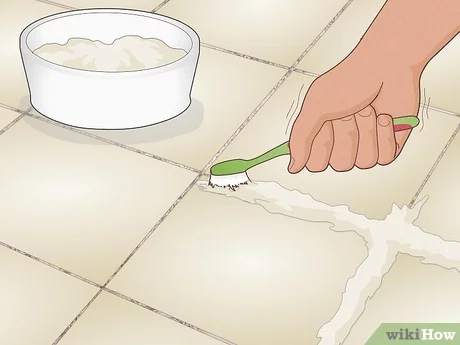
If you prefer not to use chemical products or if your grout is already colored, there are still ways to clean it. One method involves using a combination of baking soda and water to create a paste that can help remove stains and dirt from the grout lines.
To use this method, simply sprinkle the baking soda mixture onto the grout lines and scrub them with a brush or sponge. Rinse thoroughly with warm water and let dry before applying any whitening products.
This natural approach is particularly effective for removing minor stains or dirt buildup on your grout lines. However, it may not be as effective for deeper or more stubborn stains.
Cleaning Grout Cement-Based vs. Epoxy-Based
If you have epoxy-based grout, you’ll need to use a different cleaning product than if you had cement-based grout. Epoxy-based grout requires a specialized cleaner that can help break down the epoxy bonds and remove stains and dirt.
In this case, using a product like Fugenial with a spazzola (brush) may be more effective at removing stains and dirt from epoxy-based grout.
On the other hand, cement-based grout is typically easier to clean than epoxy-based grout. You can use a general-purpose cleaner or a specialized grout cleaner to remove dirt and stains.
Tips for Whitewashing Grout
Here are some additional tips to keep in mind when whitewashing your grout:
- Test a small area first: Before using any chemical product, make sure to test a small area of the grout line to ensure it won’t damage your tiles or surfaces.
- Wear protective gear: When working with chemical products, be sure to wear protective gloves and eyewear to protect yourself from exposure.
- Follow the manufacturer’s instructions: Always follow the manufacturer’s instructions carefully when using a new product, especially if you’re unsure about its usage.
- Work in small areas: To avoid spreading dirt or stains around your grout lines, work in small areas at a time.
- Use a clean brush or sponge: Make sure to use a clean brush or sponge to remove any remaining stains or dirt from the grout lines.
Conclusion
Whitening grout can seem like a daunting task, but with the right products and techniques, it’s possible to achieve professional-looking results. Whether you choose to use chemical products or natural methods, the key is to be patient and gentle when cleaning your grout lines. With regular maintenance and the right tools, you can keep your grout looking its best.
Frequently Asked Questions
- How often should I clean my grout?
You should clean your grout at least once a year to prevent stains and dirt from building up. - Can I use bleach to whiten grout?
No, it’s not recommended to use bleach on grout as it can damage the surrounding tiles or surfaces. - How do I remove stubborn stains from grout?
To remove stubborn stains from grout, try using a combination of baking soda and water or a specialized cleaner specifically designed for grout. - Can I whiten epoxy-based grout?
No, epoxy-based grout cannot be whitened with standard products. You’ll need to use a specialized cleaner that can break down the epoxy bonds. - How do I prevent future stains from forming on my grout?
To prevent future stains from forming on your grout, consider using an antimicrobial product or applying a clear sealant to protect the grout lines. - Can I whiten colored grout?
No, if your grout is already colored (gray, cream, or brown), it’s best to clean the grout rather than whitening it. - How do I choose the right whitening product for my grout?
When choosing a whitening product for your grout, consider factors such as ease of use, effectiveness, and safety. Always follow the manufacturer’s instructions carefully. - Can I whiten grout without chemicals?
Yes, you can whiten grout using natural methods such as baking soda and water or other non-chemical products specifically designed for grout.
Additional Tips
Here are some additional tips to keep in mind when whitewashing your grout:
- Regular maintenance: Regularly cleaning your grout lines can help prevent stains and dirt buildup.
- Use a sealant: Applying a clear sealant to protect the grout lines can help prevent future stains from forming.
- Test different products: Before using a new product, test it on a small area of the grout line to ensure it won’t damage your tiles or surfaces.
- Wear protective gear: When working with chemical products, be sure to wear protective gloves and eyewear to protect yourself from exposure.
By following these tips and choosing the right whitening product for your grout, you can achieve professional-looking results and keep your grout looking its best.


