
Stains on teeth can be caused by a variety of factors ranging from dietary habits to medical conditions. First and foremost, food and beverages like coffee, tea, red wine, and certain types of fruit such as strawberries may leave stains on teeth due to their high pigment content.
Tobacco is another common culprit; both smoking and chewing tobacco contain chemicals that can discolor teeth.
Poor oral hygiene can also lead to the accumulation of plaque and tartar, which in turn can create stains on teeth.
Medicines, such as certain types of antibiotics, can also cause tooth discoloration. For instance, tetracycline is known to cause tooth discoloration when administered to children during dental development. Certain medical conditions, especially those present during dental development, can also cause discoloration. For example, fluorosis, caused by excessive fluoride consumption during dental development, can leave white or brown stains.
Aging naturally makes teeth more susceptible to staining. As we age, the enamel of our teeth wears off, making the dentin beneath more visible, which can give our teeth a yellowish or brownish appearance.
Content
1
How to Whiten Teeth Professionally
2
DIY Methods for Whitening Teeth
2.1
Whitening Toothpaste
2.2
Lemon Water Rinse
2.3
Apple Cider Vinegar Rinse
2.4
Hydrogen Peroxide Solution
2.5
Coconut Oil Pulling
2.6
Fruit Remedies
How to Whiten Teeth Professionally
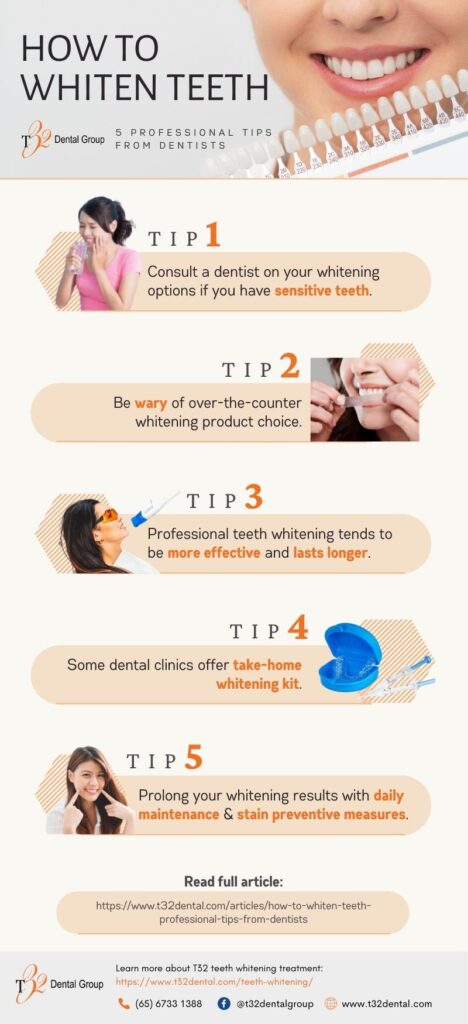
If you’re asking yourself how to whiten your teeth correctly, our advice is clearly to consult with your trusted dentist for a diagnosis of the causes that have led to the problem.
As we previously discussed, the causes of tooth stains can be multiple and therefore, the best solutions are diverse. The tartar can be effectively removed by a dentist who will use specialized tools.
On the other hand, we need to prevent the formation of tartar, by having a daily correct hygiene routine that includes using a brush (preferably electric) and interdental floss. These specialized mouthwashes against plaque can also be useful.
Dentist intervention is always useful in all cases where tooth stains are persistent, widespread or caused by factors beyond superficial discoloration.
If you’ve tried DIY methods such as whitening toothpaste and others that we’ll mention later on, and they didn’t produce the desired effect, or if you notice the stains spreading or darkening, it’s time to consult a professional.
Some specific cases where dentist intervention is necessary, apart from the previously mentioned plaque, include:
Intrinsic Stains: These are stains that occur inside the tooth and cannot be easily removed with standard cleaning methods or whitening toothpaste. They often require more advanced treatments such as internal tooth whitening or dental fillings.
Tooth Erosion: If your enamel has eroded, exposing the dentin beneath, you may need professional treatments to improve the appearance of your teeth.
Medication Side Effects: If your teeth were stained due to certain medications, it’s essential to consult a dentist to discuss treatment options.
Medical Conditions: Fluorosis and other medical conditions that cause tooth stains often require personalized approaches that only a qualified dentist can provide.
Persistent Stains or Darkening: Any stain that doesn’t improve with at-home methods or worsens over time should be evaluated by a dentist.
DIY Methods for Whitening Teeth
Here are some DIY methods you can try to whiten your teeth, when not in one of the conditions mentioned earlier, which require professional intervention.
Whitening Toothpaste
Many brands offer toothpastes specifically designed to remove stains and whiten teeth. They contain ingredients such as hydrogen peroxide that act on superficial discoloration.
Lemon Water Rinse
A mixture of equal parts lemon juice and water can help eliminate stains from teeth and disinfect the mouth. However, it’s crucial to use this treatment with caution, given that lemon is acidic.
Apple Cider Vinegar Rinse
Apple cider vinegar may be useful for whitening teeth, but it should be used with extreme caution because of its acidity.
Hydrogen Peroxide Solution
A solution of diluted hydrogen peroxide can help whiten teeth. However, it’s crucial to follow the guidelines on appropriate concentrations and use it as little as possible to avoid damaging your enamel.
Coconut Oil Pulling
Ayurvedic practice of oil pulling involves rinsing your mouth with coconut oil for several minutes, utilizing its anti-bacterial properties to prevent plaque formation.
Fruit Remedies
A “grandmother’s remedy” involves rubbing a banana peel on teeth to remove superficial stains.
In general, any DIY method should be carried out with caution, especially when using acidic products such as lemon juice, apple cider vinegar, or hydrogen peroxide. Acidity is necessary for removing stains but also can cause potential damage to your enamel.
Additional Tips and Considerations
Before trying any whitening methods, including professional treatments, consider the following:
- Dental History: If you have a history of dental work such as fillings, crowns, or implants, it’s essential to discuss this with your dentist before attempting to whiten your teeth.
- Tooth Sensitivity: If you experience tooth sensitivity after using certain whitening products, discontinue use and consult your dentist for advice.
- Gum Health: Good gum health is crucial when trying to whiten teeth. If you have bleeding gums or signs of periodontal disease, it’s essential to address these issues before attempting to whiten your teeth.
Professional Whitening Treatments
If you’re looking for a more comprehensive solution to whitening your teeth, consider the following professional treatments:
- In-Office Whitening: This is a quick and effective treatment that uses high-concentration bleach to whiten teeth.
- At-Home Whitening Kits: These kits contain custom-fitted trays and whitening gel that you can use at home.
- Laser Whitening: This treatment uses a laser to activate the whitening agent, resulting in faster and more efficient results.
DIY Whitening Trays
If you’re looking for a cost-effective solution to whiten your teeth, consider using DIY whitening trays. These can be purchased online or made at home using a custom-fitted tray and whitening gel.
To use DIY whitening trays, follow these steps:
- Purchase a custom-fitted tray from an online retailer or make one yourself using dental impression material.
- Fill the tray with whitening gel and secure it to your teeth using dental tape or other adhesive.
- Wear the tray for 15-30 minutes per day for several weeks, depending on the product’s instructions.
Remember to always follow the manufacturer’s instructions and take regular breaks from whitening treatments to avoid over-whitening or tooth sensitivity.
Conclusion
Whitening your teeth can be achieved through a combination of professional treatments and DIY methods. Before attempting any whitening method, consider your dental history, gum health, and tooth sensitivity. Professional treatments such as in-office whitening, at-home whitening kits, and laser whitening can provide faster and more effective results.
DIY methods such as whitening toothpaste, lemon water rinse, apple cider vinegar rinse, hydrogen peroxide solution, coconut oil pulling, and fruit remedies can be used to whiten teeth, but always use caution when using acidic products.
Remember to consult with your dentist before attempting any whitening method, especially if you have a history of dental work or gum disease. With the right approach, you can achieve a brighter, whiter smile that will boost your confidence and make you feel more attractive.


