
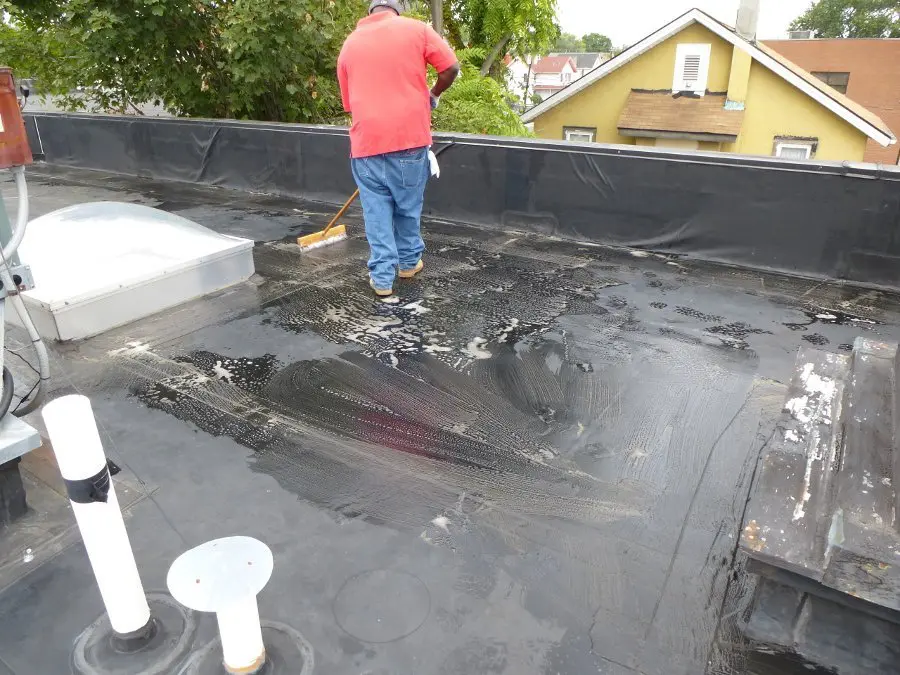
As a homeowner, it’s essential to ensure that your roof is waterproof to prevent damage from leaks and other issues. In this article, we’ll delve into the different methods for waterproofing roofs, their advantages and disadvantages, and provide guidance on how to choose the best solution for your specific needs.
Understanding Roof Waterproofing
A well-designed roof should consist of several layers, including a surface layer or coating, an impermeable membrane, insulation, a sloping raft, and a weatherproof barrier. However, over time, the impermeable membrane can deteriorate, leading to leaks and water damage. It’s crucial to inspect your roof regularly to identify potential issues before they become major problems.
Choosing the Right Waterproofing Solution
Before selecting a waterproofing solution, it’s essential to consider several factors, including the type of roof you have, its condition, and your budget. Here are some common types of waterproofing solutions:
1. Bituminous Membranes
Bituminous membranes are one of the most widely used waterproofing solutions for roofs and terraces. They’re made from a mixture of asphalt, aggregate, and polymers, which provide excellent durability and resistance to weather conditions.
Advantages:
- Affordable
- Easy to apply
- Provides long-lasting protection
Disadvantages:
- Not suitable for roofs with high UV exposure
- Can be damaged by heat sources
- May require additional coatings or repairs over time
2. Polymeric Membranes
Polymeric membranes, such as PVC or polyethylene, offer improved durability and resistance to weather conditions compared to bituminous membranes.
Advantages:
- More resistant to UV exposure than bituminous membranes
- Can be used on roofs with high UV exposure
- Provides long-lasting protection
Disadvantages:
- More expensive than bituminous membranes
- May require additional coatings or repairs over time
3. Auto-Adhesive Membranes
Auto-adhesive membranes are a type of waterproofing solution that can be applied using a cold-applied adhesive.
Advantages:
- Easy to apply without heat sources
- Provides long-lasting protection
- Suitable for roofs with high UV exposure
Disadvantages:
- May require additional coatings or repairs over time
- Can be damaged by extreme weather conditions
4. Autoprotected Membranes
Autoprotected membranes are a type of waterproofing solution that features an integrated protective layer.
Advantages:
- Provides long-lasting protection
- Suitable for roofs with high UV exposure
- Less expensive than other types of waterproofing solutions
Disadvantages:
- May require additional coatings or repairs over time
- Not suitable for all roof types and conditions
5. Other Solutions
There are several other waterproofing solutions available, including:
- Grava drainage systems: These systems use gravel to absorb and redirect water away from the roof.
- Roof coatings: These coatings can be applied to existing roofs to provide additional protection.
Advantages:
- Easy to apply
- Provides long-lasting protection
Disadvantages:
- May not be suitable for all roof types and conditions
- Can be damaged by extreme weather conditions
Types of Roof Materials
When choosing a waterproofing solution, it’s essential to consider the type of material your roof is made of. Here are some common types of roofing materials:
1. Asphalt Shingles
Asphalt shingles are one of the most widely used roofing materials for residential homes.
Advantages:
- Affordable
- Easy to install
- Provides long-lasting protection
Disadvantages:
- Not suitable for high UV exposure
- Can be damaged by heat sources
2. Metal Roofs
Metal roofs are becoming increasingly popular due to their durability and energy efficiency.
Advantages:
- More resistant to UV exposure than asphalt shingles
- Provides long-lasting protection
- Can be reused or recycled at the end of its lifespan
Disadvantages:
- More expensive than asphalt shingles
- Requires additional maintenance
3. Clay and Concrete Tiles
Clay and concrete tiles are a popular choice for residential homes due to their durability and classic appearance.
Advantages:
- Long-lasting protection
- Suitable for high UV exposure
- Can be reused or recycled at the end of its lifespan
Disadvantages:
- More expensive than asphalt shingles
- Requires additional maintenance
4. Slate Tiles
Slate tiles are a premium choice for residential homes due to their durability and classic appearance.
Advantages:
- Long-lasting protection
- Suitable for high UV exposure
- Can be reused or recycled at the end of its lifespan
Disadvantages:
- Very expensive compared to other roofing materials
- Requires additional maintenance
Factors Affecting Waterproofing Solutions
When choosing a waterproofing solution, it’s essential to consider several factors that can affect the performance and longevity of the solution. Here are some common factors to consider:
1. Roof Age and Condition
The age and condition of your roof can significantly impact the effectiveness of a waterproofing solution.
Advantages:
- Can extend the lifespan of your roof
- Provides long-lasting protection
Disadvantages:
- May not be suitable for roofs with severe damage or wear
2. Roof Material
The type of material your roof is made of can significantly impact the effectiveness of a waterproofing solution.
Advantages:
- Can provide optimal performance and longevity
- Suitable for specific roofing materials
Disadvantages:
- May not be suitable for roofs with severe damage or wear
3. Weather Conditions
Weather conditions, such as temperature, humidity, and wind speed, can significantly impact the effectiveness of a waterproofing solution.
Advantages:
- Can provide optimal performance and longevity
- Suitable for specific weather conditions
Disadvantages:
- May not be suitable for roofs with severe damage or wear
Conclusion
Waterproofing your roof is an essential step in maintaining its integrity and preventing costly repairs. By choosing the right waterproofing solution for your specific needs, you can ensure a long-lasting and reliable protection against water damage.
Here are some frequently asked questions about roofing:
FAQs
1. What is the best way to waterproof my roof?
The best way to waterproof your roof depends on its type, condition, and location. It’s essential to consult with a professional roofer or contractor to determine the most suitable solution for your specific needs.
2. How often should I inspect my roof?
It’s recommended to inspect your roof at least twice a year to identify potential issues before they become major problems.
3. Can I waterproof my own roof?
While it’s possible to apply some types of waterproofing solutions on your own, it’s generally recommended to hire a professional roofer or contractor for the job.
4. What are the signs of a leaky roof?
Some common signs of a leaky roof include:
- Water stains
- Sagging rooflines
- Cracks in walls and ceilings
5. How much does it cost to waterproof my roof?
The cost of waterproofing your roof depends on several factors, including the type of solution, its size, and the complexity of the job.
6. Can I use a DIY waterproofing solution for my entire roof?
It’s generally not recommended to use a single solution for the entire roof. Instead, consider applying multiple layers or using different solutions for different areas of your roof.
7. Are there any local regulations regarding roofing?
Yes, there may be local regulations and building codes that govern the installation of roofs and waterproofing systems. Be sure to check with your local authorities before starting a project.
8. What are some common mistakes to avoid when waterproofing my roof?
Some common mistakes to avoid include:
- Using the wrong type of solution for your roof
- Not inspecting your roof regularly
- Ignoring signs of leaks and damage
By following these guidelines and considering the factors that can impact the effectiveness of a waterproofing solution, you can ensure a long-lasting and reliable protection against water damage.


