
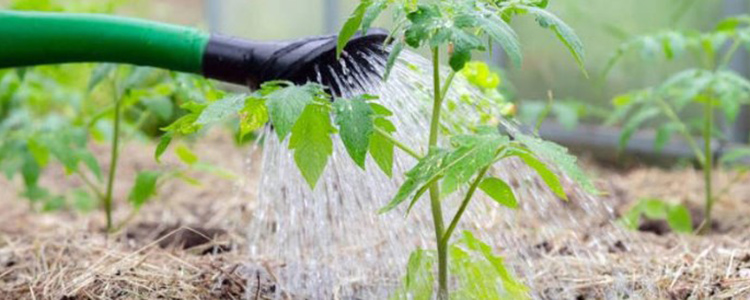
As we all know, watering tomatoes is a crucial aspect of growing healthy and productive plants. However, there are many myths and misconceptions surrounding this topic. In this article, we will delve into the world of tomato watering, exploring the essential rules for achieving optimal results.
The Importance of Hydration
Tomatoes need water to grow and thrive. Generally, tomatoes require around 2.5 cm3 of water per week, but this can vary greatly depending on factors like climate, soil type, and watering frequency. In hot weather, tomatoes may need more water, while in cooler climates, they may require less.
Common Mistakes to Avoid
Inadequate watering is a common mistake that can lead to serious problems for tomato plants. Here are some essential tips to avoid:
- Avoid watering during peak hours: Watering during the hottest part of the day can cause water to evaporate quickly, leaving your tomatoes dry.
- Don’t get the leaves wet: Tomatoes need a good soaking, but not the leaves. Watering the soil around the plant is essential for healthy growth.
- Avoid using high-pressure hoses: High pressure can damage the roots and disrupt the plant’s growth.
- Use gentle watering methods: Soak the soil thoroughly, then allow it to drain before re-watering.
Watering Frequency
The frequency of watering depends on several factors:
- Container-grown tomatoes: Water every day, or every other day in hot weather.
- Field-grown tomatoes: Water daily during peak growth periods and reduce watering as the plants mature.
Common Problems Caused by Poor Watering
Poor watering can lead to a range of problems, including:
- Fruiting issues: Fruits that are not properly hydrated may be prone to cracking or rotting.
- Root damage: Overwatering or underwatering can cause root damage, leading to plant decline.
Healthy Soil and Root Development
A healthy soil structure is essential for optimal tomato growth. A mix of organic matter, compost, and perlite will help retain moisture while preventing waterlogging. Regular pacciamatura (mulching) can also help regulate soil temperature and prevent weeds from competing with your tomatoes.
The Importance of Calcium
Calcium deficiency can cause a range of problems for tomato plants, including:
- Fruiting issues: Insufficient calcium can lead to poor fruit quality or reduced yields.
- Root damage: Lack of calcium can weaken the roots, making them more susceptible to disease and pests.
Tips for Optimizing Your Tomato Crop
To maximize your tomato crop, consider these tips:
- Use a drip irrigation system: This will help reduce evaporation and deliver water directly to the roots.
- Monitor soil moisture: Regularly check the soil to determine when it needs watering.
- Mulch around plants: Mulching can help retain moisture and regulate soil temperature.
By following these essential rules for watering tomatoes, you’ll be well on your way to growing a healthy and productive crop. Don’t forget to keep an eye out for common problems caused by poor watering, and take steps to optimize your tomato crop for maximum success.
Frequently Asked Questions
Here are some answers to common questions about tomato watering:
- Can I water my tomatoes with saltwater?
No, it’s not recommended to use saltwater on your tomatoes. Salt can damage the roots and disrupt plant growth. - How often should I water my container-grown tomatoes?
Water every day during peak growth periods, or every other day in hot weather. - Can I use a hose with high pressure to water my tomatoes?
No, it’s not recommended to use high-pressure hoses on your tomatoes. High pressure can damage the roots and disrupt plant growth. - How often should I water my field-grown tomatoes?
Water daily during peak growth periods, and reduce watering as the plants mature.
Additional Tips
- Avoid overwatering: Check the soil regularly to avoid overwatering, which can lead to root rot and other problems.
- Use a rain gauge: A rain gauge will help you measure rainfall accurately and adjust your watering schedule accordingly.
- Keep an eye out for pests: Regularly inspect your tomatoes for signs of pests or disease, and take action quickly if necessary.
By following these guidelines and tips, you’ll be able to create a healthy environment for your tomato crop to thrive in. With proper care and attention, your tomatoes will produce delicious fruits and bring joy to your family and friends.
Conclusion
Watering tomatoes is an essential part of growing a healthy and productive crop. By following the essential rules outlined in this article, you’ll be able to create a conducive environment for your tomato plants to grow. Remember to avoid common mistakes, monitor soil moisture, and use gentle watering methods. With proper care and attention, your tomatoes will thrive and provide delicious fruits for years to come.
Final Thoughts
Growing tomatoes can be a rewarding experience, but it requires careful attention to detail. By following these essential rules for watering tomatoes, you’ll be well on your way to growing a healthy and productive crop. Don’t forget to keep an eye out for common problems caused by poor watering, and take steps to optimize your tomato crop for maximum success. With practice and patience, you’ll become a skilled tomato grower and enjoy the fruits of your labor for years to come.
Recommended Resources
If you’re interested in learning more about tomato growing and care, here are some recommended resources:
- “The Tomato Grower’s Handbook”: This comprehensive guide covers everything from seed selection to pest management.
- “Tomato Growing for Dummies”: This beginner-friendly book provides easy-to-follow instructions and tips for growing tomatoes at home.
- “The National Gardening Association”: This website offers a wealth of information on gardening, including articles, videos, and resources specifically focused on tomato growing.
By following these essential rules for watering tomatoes and utilizing the recommended resources, you’ll be well on your way to growing a healthy and productive crop. Happy growing!


