
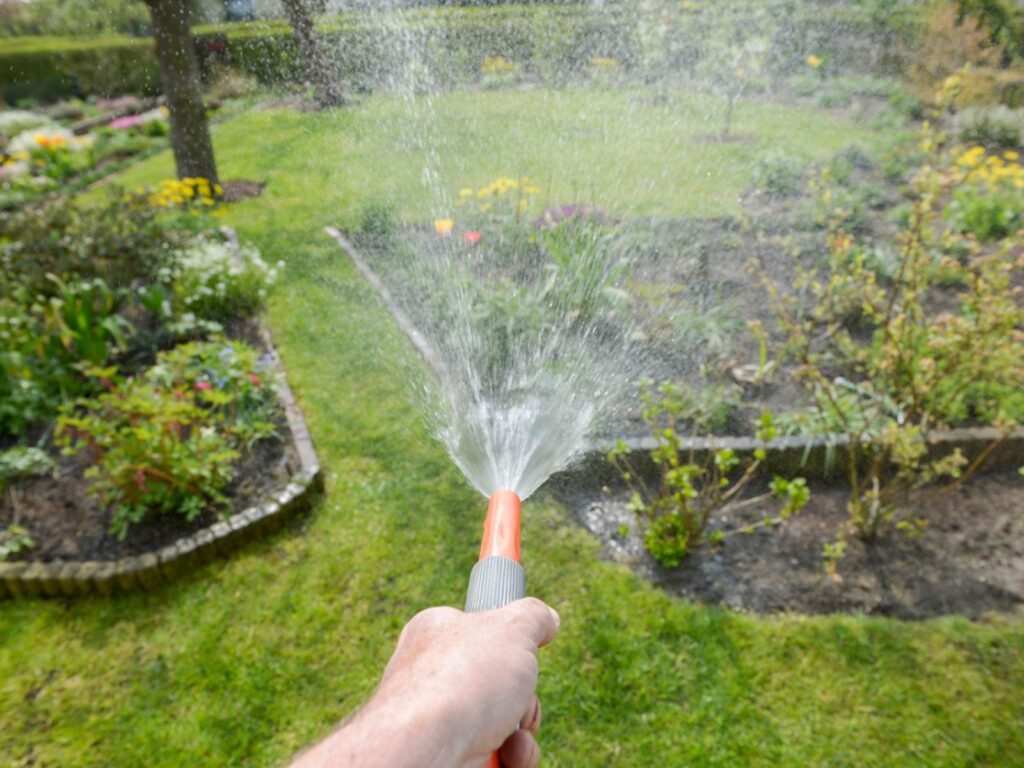
Every garden, regardless of its size or type, requires a significant amount of water to produce abundant harvests. The method of irrigation plays a crucial role in ensuring that plants receive the right amount of moisture, while also preventing overwatering and associated problems.
Understanding the Importance of Proper Irrigation
Proper irrigation is essential for healthy plant growth and development. When plants are well-watered, they can photosynthesize more efficiently, grow stronger stems, and produce more fruit and vegetables. On the other hand, insufficient water can lead to wilted leaves, stunted growth, and reduced yields.
The Various Methods of Irrigation
There are several methods of irrigation, each with its own advantages and disadvantages:
- Infiltration: Infiltration involves allowing rainwater or irrigation water to soak into the soil. This method is effective in areas with high rainfall or where the soil can absorb water quickly.
- Localized infiltration: Localized infiltration involves using a combination of sprinklers and soaker hoses to deliver water directly to the roots of plants.
- Hypogea irrigation: Hypogea irrigation involves using pipes and valves under the ground to distribute water to specific areas of the garden.
- Drip irrigation (also known as aeration or gushing): Drip irrigation delivers water directly to the roots of plants through small tubes, reducing evaporation and runoff.
- Flooding: Flooding involves covering the entire surface area with water for an extended period. This method is not recommended for most gardens due to its inefficiency and potential for soil erosion.
Why Traditional Sprinkler Systems Are Not Ideal
Traditional sprinkler systems are not suitable for irrigation purposes in many ways:
- Risk of disease: The constant spray of water can lead to a higher risk of disease among plants, making them more susceptible to fungal infections like septoria, alternaria, and peronospora.
- Water waste: Sprinklers can wastefully apply excess water, leading to runoff and increased water bills.
- Energy consumption: Sprinkler systems require significant amounts of energy for operation, contributing to greenhouse gas emissions.
The Benefits of Drip Irrigation
Drip irrigation is the preferred method for several reasons:
- Efficiency: Drip irrigation delivers water directly to the roots of plants, reducing evaporation and runoff.
- Conservation: By allowing only the amount needed by the plant to be delivered, drip irrigation conserves water and reduces waste.
- Reduced risk of disease: The targeted delivery of water minimizes the risk of disease among plants.
Setting Up a Drip Irrigation System
Setting up a drip irrigation system is relatively easy, and there are various options available for gardeners:
- Basic kits: Basic kits can be purchased for around 13-20 euros and usually include 20 gocciolators (for up to 20 plants or vases), 20 meters of tubing, and additional accessories.
- Programming: To maximize the effectiveness of your drip irrigation system, consider investing in a timer to program regular irrigations.
Choosing the Right Kit
When selecting a drip irrigation kit, consider the number of plants or vases you want to water and the length of the tubing required:
- Number of gocciolators: Choose a kit that includes enough gocciolators for your specific needs.
- Length of tubing: Ensure the tubing is long enough to cover the entire area to be irrigated.
Tips and Considerations
Before setting up a drip irrigation system, consider the following tips:
- Material selection: Choose the right material for your tubing and gocciolators to ensure durability and efficiency.
- System design: Ensure that your system is designed according to your specific garden’s needs.
- Regular inspections: Regularly inspect your system to prevent clogs and other issues.
Common Mistakes to Avoid
Some common mistakes to avoid when setting up a drip irrigation system:
- Insufficient gocciolators: Using too few gocciolators can lead to insufficient water delivery, while using too many can result in wasted water.
- Inadequate tubing length: Failing to provide enough tubing can cause leaks and reduced efficiency.
By following these guidelines and choosing the right kit, you can create an efficient and effective drip irrigation system for your garden.


