
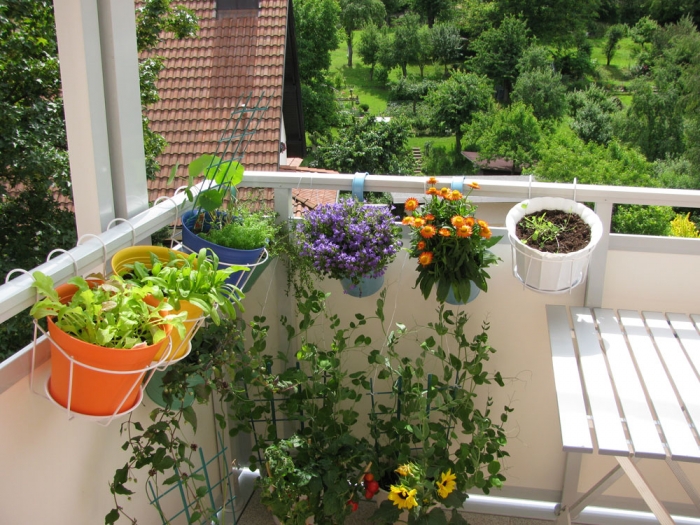
When we talk about balcony gardens, we refer to a type of gardening that is established in small spaces. A small balcony garden, like the one on your balcony, can utilize automated irrigation systems with timers, featuring porous tubes and micro-irrigation. Before diving into the methods of irrigation best suited for balcony gardens, let’s explore some key considerations about managing water and conserving water:
Assessing Your Balcony
Take a look at your balcony. Where does the sun hit the hardest? Are there areas in shade? These insights will not only help you choose suitable plants but also inform how often to irrigate. Plants exposed to full sunlight will be more susceptible to drought and require more frequent and abundant watering.
The Importance of Proper Irrigation
When watering, the soil should become darker but not develop puddles. This ensures the well-being of the plant while allowing for a significant water savings.
Timing is Everything: Best Practices for Watering
Water during the cooler hours of the day in summer months. Avoid using powerful jets of water, as they can be detrimental to plants. Use a gentle spray or mist to deliver water directly to the roots of your plants.
The Cloro Conundrum: Preparing Irrigation Water
If you’re using tap water from your aqueduct, keep in mind it’s rich in chlorine. Before watering your plants with this water, let it sit for 24 hours in a container. This will allow the majority of the chlorine to evaporate, preventing shock and ensuring a healthy start.
Irrigation Systems for Balcony Gardens
Micro-irrigation systems are undoubtedly the most practical, economical, and sustainable solution. These systems work with low pressures, making them ideal for balcony gardens. If you have the opportunity to set up a rainwater collection system in your terrazza or balcony, you can use this collected water for irrigation.
How Micro-Irrigation Systems Work
Micro-irrigation systems are designed to deliver water directly to the roots of plants, minimizing evaporation loss and runoff. They consist of tubes with tiny holes (or emitters) that release a controlled amount of water at regular intervals. This system allows you to monitor your watering schedule and make adjustments as needed.
Types of Micro-Irrigation Systems
There are several types of micro-irrigation systems available, each with its own advantages and disadvantages:
- Drip Irrigation: This is one of the most common types of micro-irrigation systems. It delivers water through a network of tubes to a drip emitter, which releases a controlled amount of water directly onto the roots of plants.
- Sip Irrigation: Similar to drip irrigation, sip irrigation uses a similar principle but with a larger emitter size. This system is more suitable for large areas or multiple plantings.
- Pressure-Regulated Irrigation Systems: These systems use pressure regulators to control the flow of water through the network of tubes.
The Porous Tube Alternative: A Less Efficient but Still Effective Option
Another option for irrigation on balconies is the use of porous tubes. These distribute water evenly, making them suitable for plants that prefer consistent moisture levels. However, porous tubes are less efficient than micro-irrigation systems in terms of water savings and ease of use.
Using Rainwater Collection Systems
Collecting and using rainwater is an excellent way to supplement or even replace traditional water sources in your balcony garden. This not only reduces your water bill but also helps reduce stormwater runoff and mitigate the urban heat island effect.
Tips for Effective Rainwater Collection
- Use a large enough container: Make sure you have a sufficiently sized rainwater collection container to store sufficient amounts of water.
- Position the container correctly: Place the container in an area where it can collect rainfall without creating excessive runoff or pollution.
- Filter the collected water: Use a filter or sedimentation basin to remove debris and sediments from the collected rainwater.
Best Practices for Watering with Rainwater
- Use a timer: Set up a timer on your irrigation system to ensure that you’re watering at regular intervals, even when it’s not raining.
- Adjust the flow rate: Adjust the flow rate of your irrigation system according to the amount of rainwater available in your collection container.
- Monitor soil moisture: Regularly check the soil moisture levels in your plants to adjust the watering schedule as needed.
Common Mistakes to Avoid
- Overwatering: Avoid overwatering, which can lead to root rot and other issues.
- Using powerful jets of water: Be cautious of powerful jets of water that could damage plants or soil structure.
- Not monitoring irrigation system performance: Regularly check your irrigation system for signs of damage or wear.
Conclusion
Optimizing your balcony garden requires careful planning and attention to detail. By understanding your balcony’s conditions, choosing the right irrigation system, and practicing good watering habits, you can create a thriving and sustainable outdoor space. Remember to regularly monitor your irrigation system performance, adjust as needed, and enjoy the benefits of a well-designed and maintained balcony garden.
Frequently Asked Questions (FAQs)
Q: How often should I water my plants on a balcony?
A: The frequency of watering depends on various factors, including sunlight exposure and soil moisture. Observe your plants’ responses to determine the optimal irrigation schedule for each plant species.
Q: What is micro-irrigation, and how does it differ from traditional irrigation methods?
A: Micro-irrigation involves delivering water directly to the roots of plants through a network of tubes. This method reduces evaporation loss, conserves water, and minimizes waste.
Q: Can I use rainwater for my balcony garden’s irrigation system?
A: Yes, collecting and using rainwater is an excellent way to supplement or even replace traditional water sources in your balcony garden. Make sure the collected rainwater has been properly filtered before use.
Q: How can I prevent chlorine from affecting my plants’ health?
A: Chlorine can be detrimental to plant growth. To minimize its impact, let tap water sit for 24 hours in a container before using it for irrigation. This allows most of the chlorine to evaporate, ensuring your plants receive healthy water.
Q: What are some common mistakes to avoid when irrigating my balcony garden?
A: Avoid overwatering, which can lead to root rot and other issues. Also, be cautious of powerful jets of water that could damage plants or soil structure.
Q: Are porous tubes a viable alternative to micro-irrigation for irrigation on balconies?
A: Porous tubes can distribute water evenly but are less efficient than micro-irrigation in terms of water savings and ease of use. They may be suitable for specific situations, such as when using a small amount of water.
Q: How often should I inspect my irrigation system to ensure its efficiency and effectiveness?
A: Regularly check your irrigation system for signs of damage or wear. This will help prevent leaks and optimize water delivery to your plants.
Q: What are some tips for maintaining a healthy and sustainable balcony garden through efficient irrigation practices?
A: Monitor soil moisture, avoid overwatering, use the right type of irrigation system for your needs, and keep your system clean and well-maintained.


