
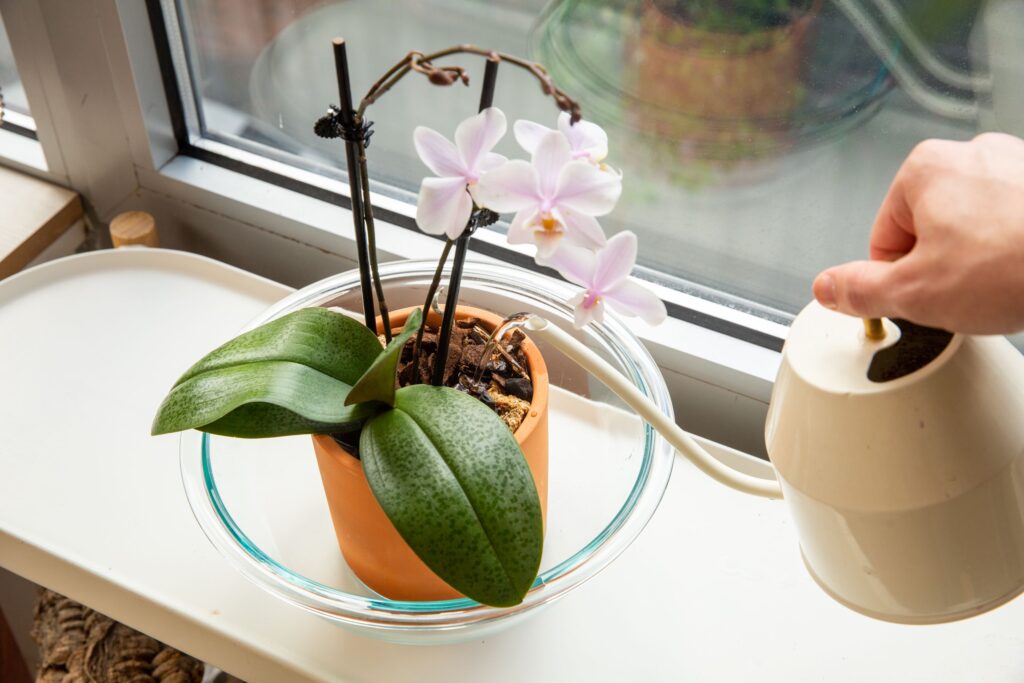
As an orchid enthusiast, you know that proper watering is crucial for the health and survival of these delicate flowers. But how do you water your orchids effectively? In this article, we’ll delve into the world of orchid care, exploring the best practices for watering, fertilizing, and repotting.
Understanding Orchid Watering Needs
Orchids have specific watering needs due to their unique growth habits and environmental requirements. Unlike other plants, orchids don’t require frequent watering; in fact, overwatering can be detrimental to their health. So, when should you water your orchids?
Summer vs. Winter: Different Watering Requirements
In the summer months, it’s essential to water your orchid more frequently, as the plant requires more moisture to thrive. Conversely, during the winter months, watering is less frequent, as the plant is dormant and requires less hydration.
How Often to Water Your Orchids
To determine how often to water your orchids, follow these guidelines:
- During the summer, water your orchid every 7-10 days.
- In the winter, water your orchid every 4-6 weeks.
Remember, these are general guidelines. Adjust the watering schedule based on your specific climate, humidity levels, and the plant’s individual needs.
Checking for Proper Watering
To ensure you’re watering your orchids correctly, follow these steps:
- Place the pot in a sink or container filled with water.
- Submerge the pot up to the base of the stem, making sure not to get water on the crown (where the leaves meet the stem).
- Allow the plant to absorb the water for about 10-15 minutes.
This method will help you determine if your orchid needs more water.
The Dangers of Overwatering
Overwatering is a common mistake that can lead to root rot, fungal infections, and even death. To avoid this:
- Use distilled or rainwater, which are less likely to contain minerals that can harm your orchids.
- Avoid getting water on the crown or leaves, as this can cause rot and other problems.
- Repot your orchid every 1-3 years to refresh the potting medium and prevent root bound.
Inspecting Your Orchid
Regularly inspecting your orchid for signs of watering issues is crucial. Look out for:
- Droopy or limp leaves
- Soft, mushy stems
- White or greenish patches on the leaves (fungus or rot)
If you notice any of these symptoms, adjust your watering schedule accordingly.
The Importance of Humidity
Orchids thrive in humid environments, typically between 40-70% relative humidity. To maintain optimal humidity levels:
- Place the orchid pot on a tray filled with water and pebbles to increase the surrounding humidity.
- Use a humidifier, especially during dry winter months.
The Role of Light
Orchids require adequate light to photosynthesize and grow. However, excessive light can be detrimental. Consider:
- East- or west-facing windows for optimal lighting.
- Avoid direct sunlight, which can cause scorching and leaf burn.
Temperature Requirements
Orchids have specific temperature requirements, ranging from 65°F (18°C) to 85°F (29°C). Avoid placing your orchid near heating vents, radiators, or drafty windows.
Fertilizing Your Orchid
Fertilizing your orchid is essential for promoting healthy growth and blooming. Use a balanced, water-soluble fertilizer (20-20-20) at half the recommended strength. Apply it once a month during the growing season (spring-fall).
Dilute the fertilizer in distilled or rainwater to prevent burning the roots.
Potting Mix Selection
Choosing the right potting mix is crucial for your orchid’s health and well-being. Look for a mix specifically designed for orchids, containing ingredients such as:
- Peat moss
- Vermiculite
- Perlite
- Coconut husk
Avoid using regular potting mixes, which can contain chemicals and nutrients that harm your orchids.
Repotting Your Orchid
Repotting your orchid is an essential part of its care routine. This process helps to:
- Refresh the potting medium
- Provide a larger pot if necessary
- Prune old roots
When repotting, choose a pot that’s slightly larger than the original one and use a well-draining potting mix.
Conclusion
Watering your orchid requires attention to detail and an understanding of its unique needs. By following these guidelines, you’ll be able to provide your orchid with the right amount of moisture to thrive. Remember to inspect your orchid regularly for signs of watering issues and adjust your care routine accordingly.
Frequently Asked Questions
Q: How often should I water my orchid in winter?
A: Water your orchid every 4-6 weeks during the winter months.
Q: What type of potting mix is best for orchids?
A: Use a well-draining potting mix specifically designed for orchids.
Q: Can I use tap water to fertilize my orchid?
A: No, use distilled or rainwater when fertilizing your orchid.
Q: How often should I repot my orchid?
A: Repot your orchid every 1-3 years to refresh the potting medium and prevent root bound.
Q: What are some common signs of overwatering in orchids?
A: Look out for droopy or limp leaves, soft, mushy stems, and white or greenish patches on the leaves (fungus or rot).
Q: How do I know if my orchid needs more water?
A: Check the moisture level by submerging the pot up to the base of the stem in a sink or container filled with water.


