
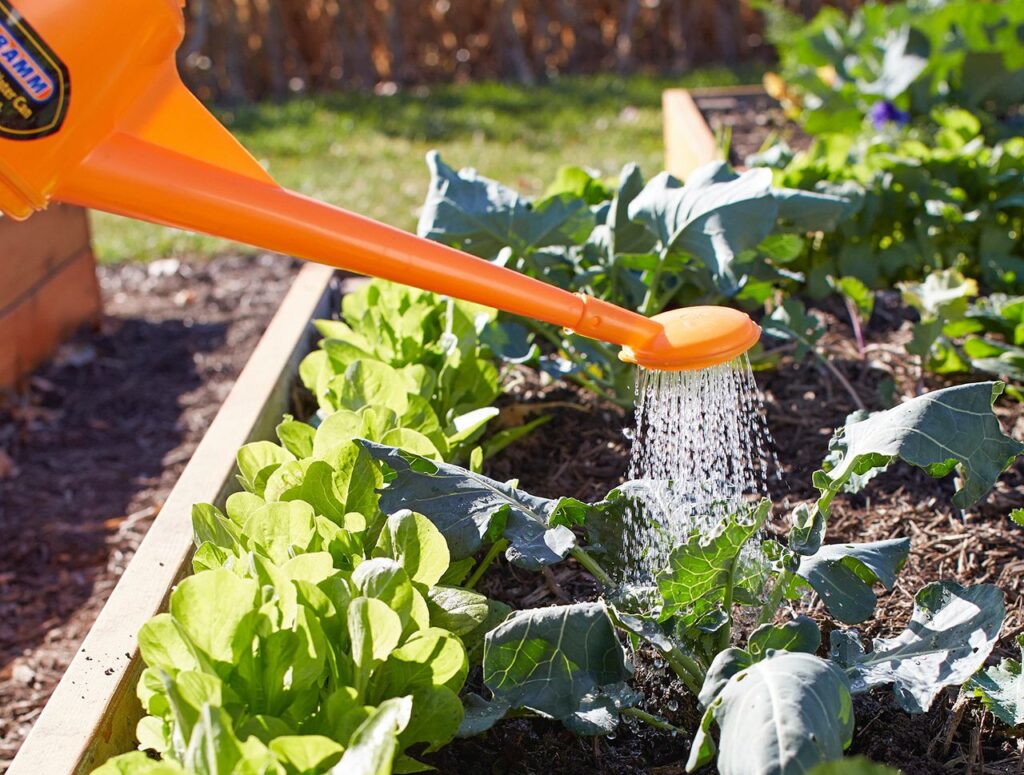
As a gardener, you know that providing your plants with the right amount of water is crucial for their growth and health. However, overwatering or underwatering can have devastating effects on your garden. In this article, we will explore the best irrigation method to ensure your plants receive the perfect amount of water.
Understanding the Importance of Proper Irrigation
Proper irrigation is essential for maintaining healthy and thriving gardens. Watering your plants correctly can help prevent a range of problems, including root rot, nutrient deficiencies, and reduced plant growth. On the other hand, overwatering or underwatering can lead to a variety of issues, such as fungal diseases, pest infestations, and decreased yields.
The Benefits of Drip Irrigation
Drip irrigation is a popular method that has gained popularity in recent years due to its efficiency and effectiveness. This system delivers water directly to the roots of the plant, reducing evaporation and runoff. By doing so, it minimizes waste and ensures that your plants receive exactly what they need.
The Difference Between Drip Irrigation and Traditional Methods
Traditional irrigation methods, such as sprinklers or hose-end sprayers, can be effective but have their drawbacks. These methods often result in overwatering, which can lead to root rot and other problems. In contrast, drip irrigation systems are designed to provide water directly to the roots, reducing the risk of overwatering.
The Advantages of Drip Irrigation Systems
There are several advantages of using a drip irrigation system:
- Reduced Water Waste: Drip irrigation systems minimize waste by delivering water directly to the roots of the plant.
- Increased Efficiency: These systems can be programmed to deliver water at specific times, ensuring that your plants receive exactly what they need.
- Less Labor: With a drip irrigation system, you won’t have to worry about manually watering your plants every day.
Choosing the Right Drip Irrigation System
When choosing a drip irrigation system, there are several factors to consider:
- Type of Plants: Different types of plants have different water requirements. Choose a system that can accommodate your specific needs.
- Soil Type: The type of soil you have will also affect your choice. For example, if you have sandy soil, you may need a system with more frequent watering cycles.
Installation and Maintenance
Installing a drip irrigation system is relatively easy:
- Choose the Right Tubing Size: Select tubing that is suitable for your specific needs.
- Connect the Tubing to the Water Source: Connect the tubing to a water source, such as a hose or pump.
- Install the Filters and Valves: Install filters and valves to ensure clean water flow.
Common Problems with Drip Irrigation Systems
While drip irrigation systems are generally effective, there are some common problems to watch out for:
- Clogged Tubing: Clogged tubing can reduce the efficiency of your system.
- Leaks: Leaks can lead to wasted water and increased maintenance costs.
- Blockages: Blockages in the system can prevent water from reaching your plants.
Tips for Optimizing Your Drip Irrigation System
To get the most out of your drip irrigation system, consider the following tips:
- Monitor Water Pressure: Regularly check the pressure of your water supply to ensure it’s within the recommended range.
- Adjust Watering Cycles: Adjust the watering cycle according to your plant’s specific needs and the time of year.
- Use Aeration Tools: Use aeration tools, such as aerators or fountains, to improve soil oxygenation and promote healthy root growth.
Conclusion
Drip irrigation is a popular method for watering gardens due to its efficiency, effectiveness, and reduced waste. By understanding the benefits of drip irrigation systems, choosing the right system for your specific needs, and following proper installation and maintenance procedures, you can create a thriving garden with minimal effort.
Frequently Asked Questions (FAQs)
- What is the best way to water my plants in hot weather?
- Water your plants early in the morning or late in the evening to minimize evaporation.
- How often should I water my plants?
- The frequency of watering depends on the type of plant, soil type, and climate. As a general rule, most plants require about 1-2 inches of water per week.
- What are some common problems with drip irrigation systems?
- Common problems include clogged tubing, leaks, and blockages.
- How often should I check my drip irrigation system for maintenance?
- Regularly inspect your system for signs of wear or damage.
- Can I use a timer with my drip irrigation system?
- Yes, timers can be used to automate watering schedules and ensure consistent water delivery.
- What is the cost of installing a drip irrigation system?
- The cost varies depending on the size and complexity of your garden, as well as the type of system you choose.
- How long does it take to install a drip irrigation system?
- Installation time depends on the size and complexity of your garden.
- Can I use a standard hose with my drip irrigation system?
- No, standard hoses are not designed for drip irrigation systems.
By following these tips and best practices, you can create a thriving garden that is both beautiful and sustainable.


