
Why Hand Washing Matters
Hand washing is a simple yet effective way to protect your health and the health of those around you. It’s a crucial habit that can prevent the transmission of infectious diseases, including colds, flu, diarrhea, and more severe illnesses like pneumonia, salmonellosis, and hepatitis A.
In today’s fast-paced world, hand washing may seem like an extra step to take, but it’s essential to prioritize this practice. Even small lapses in hand washing can lead to serious consequences, making it crucial to make it a habit.
Understanding the Importance of Hand Washing
Hand washing is not just about cleanliness; it’s also about eliminating the microorganisms that can cause infections. Our hands are often contaminated with germs from various sources, including water, food, animals, and surfaces we touch. When these germs come into contact with our eyes, nose, or mouth, they can lead to infection.
The Science Behind Hand Washing
To understand how hand washing works, let’s look at the anatomy of our skin. The outer layer of our skin is covered in microorganisms, including bacteria and fungi. These microorganisms can form a complex ecosystem that can lead to infections if not properly maintained. When we wash our hands, we’re not just removing dirt and grime; we’re also eliminating these microorganisms.
How to Wash Your Hands Properly
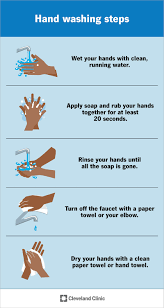
Washing your hands is not as complicated as you might think. Here are some simple steps to follow:
- Remove jewelry: Take off any rings, watches, or other accessories that may interfere with hand washing.
- Wet your hands: Use warm water to wet your hands.
- Apply soap: Use a mild soap and apply it evenly to both the front and back of your hands, including between your fingers and under your nails.
- Scrub for 20 seconds: Rub your hands together to create a lather, then scrub all surfaces, including:
- Palms
- Backs
- Fingers
- Wrists
- Between fingers
- Under fingernails
- Rinse thoroughly: Rinse your hands with warm water to remove soap residue.
- Dry completely: Use a clean towel or air dryer to dry your hands.
Tips for Effective Hand Washing
To ensure you’re washing your hands effectively, follow these tips:
- Wash your hands frequently throughout the day, especially:
- Before eating
- After using the bathroom
- After blowing your nose, coughing or sneezing
- After touching animals or their waste
- After being in contact with someone who is sick
- Use warm water and a mild soap that is gentle on your skin.
- Scrub for at least 20 seconds to ensure you’re removing all microorganisms.
Alternatives to Hand Washing
In situations where access to clean water and soap may be limited, there are alternative methods of hand hygiene:
- Hand sanitizers: Use a hand sanitizer that contains at least 60% alcohol. Apply it to your hands, rub it in thoroughly, and let it air dry.
- Gel igienizzanti per le mani: Use a gel hand sanitizer specifically designed for hand washing.
Preventing Hand Bacterial Contamination
If you’re in an environment where bacterial contamination is prevalent, consider the following methods to prevent hand bacterial contamination:
- Wear gloves
- Wear masks
- Clean and disinfect surfaces and equipment regularly
Special Considerations: Hand Washing with Certain Health Conditions
For individuals with certain health conditions, hand washing may require special considerations. For example:
- Diabetes: Individuals with diabetes may need to take extra precautions when washing their hands to prevent nerve damage.
- Kidney disease: Individuals with kidney disease may need to be more careful when using soap and water to avoid irritating their skin.
Conclusion
Proper hand washing is an essential practice that can protect you and those around you from infectious diseases. By following simple steps and tips, you can ensure your hands are clean and hygienic. Remember to wash your hands frequently throughout the day, especially before eating and after using the bathroom. If you’re unable to access soap and water, use hand sanitizers or gel hand sanitizers as alternatives.
Frequently Asked Questions (FAQs)
- Q: How often should I wash my hands?
- A: Wash your hands frequently throughout the day, especially before eating, after using the bathroom, after blowing your nose, coughing or sneezing, after touching animals or their waste, and after being in contact with someone who is sick.
- Q: What soap should I use?
- A: Use a mild soap that is gentle on your skin.
- Q: How long should I scrub my hands?
- A: Scrub your hands for at least 20 seconds to ensure you’re removing all microorganisms.
- Q: Can I use hand sanitizer as an alternative to washing my hands?
- A: Yes, but use a hand sanitizer that contains at least 60% alcohol and follow the instructions carefully.
By following these simple steps and tips, you can protect yourself and those around you from infectious diseases. Remember to wash your hands frequently throughout the day, especially before eating and after using the bathroom. If you’re unable to access soap and water, use hand sanitizers or gel hand sanitizers as alternatives.


