
Washing your face is not as straightforward as it seems. Our parents taught us to wash our hands thoroughly, but no one ever explained how to wash our faces properly. The anatomy of the human face is unique, and when we wash our faces, we tend to focus more on our cheeks and forehead than on other areas.
The face contains several organs of sensation, including the skin around your eyes, nose, mouth, and hairline. When washing your face, you might be scrubbing your cheeks and forehead more thoroughly than you are the surrounding areas. Have you ever stopped to think about how much pressure you’re applying to the skin around your nose? Or the delicate skin above your lips?
Understanding Your Face
The face is a complex organ that requires careful attention when washing. The T-zone, which includes the forehead, nose, and chin, is particularly prone to oiliness and acne. The area around your eyes is also sensitive, with a thin layer of skin that can be easily irritated. The mouth and hairline are also susceptible to irritation and dryness.
Morning Face Washing
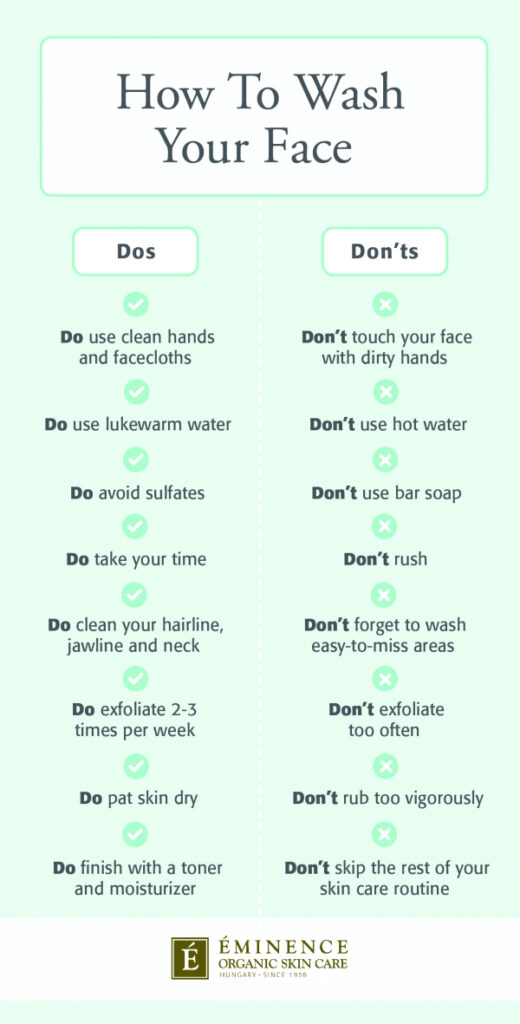
To wash your face correctly, you don’t need to use a specific soap or cleanser. However, using a gentle cleanser can be beneficial. In the morning, when washing your face, make sure to:
- Gently scrub the areas that are often neglected, such as the T-zone (forehead, nose, and chin)
- Clean the menton (lower lip), the area around the nostrils, and the periocular area (around the eyes)
- Pay attention to the hairline and ear area
- Use lukewarm water and alternate between hot and cold water to open up your pores
- Pat dry with a clean towel, rather than rubbing your face vigorously
Choosing the Right Soap for Your Skin
A good soap for your face should be gentle and natural. However, not all soaps are created equal. Different skin types require different products:
- For acne-prone skin, use a soap containing sulfur or salicylic acid
- For oily skin, use a soap with cornstarch or rice bran to help absorb excess oil
- For dry or sensitive skin, use a soap with aloe vera, honey, or oatmeal to provide moisture and soothe irritation
Natural Soap Alternatives
If you have sensitive skin, you may want to consider natural alternatives:
- Sulfur-based soaps for acne-prone skin
- Cornstarch or rice bran soaps for oily skin
- Aloe vera, honey, or oatmeal soaps for dry or sensitive skin
Remember, not all natural soaps are suitable for everyone. If you have very sensitive skin, it’s best to avoid using sulfur-based or other potentially irritating ingredients.
The Importance of Gentle Cleansing
Gentle cleansing is crucial for maintaining healthy, balanced skin. Avoid harsh soaps and cleansers that can strip your skin of its natural oils. Instead, opt for a gentle cleanser that will cleanse your face without drying it out.
When choosing a soap or cleanser, look for ingredients that are gentle and non-irritating. Some good options include:
- Aloe vera: known for its soothing and moisturizing properties
- Green tea: rich in antioxidants and anti-inflammatory compounds
- Chamomile: calming and soothing, making it perfect for sensitive skin
Tips for Sensitive Skin
If you have sensitive skin, here are some tips to keep in mind:
- Use lukewarm water instead of hot water
- Avoid using soap or cleansers that contain harsh ingredients like sulfates or artificial fragrances
- Opt for natural soaps or gentle cleansers containing soothing ingredients like aloe vera or oatmeal
- Exfoliate once or twice a week to remove dead skin cells and unclog pores
Exfoliating Your Skin
Exfoliating your skin can help remove dead skin cells and unclog pores. Use a gentle exfoliant containing alpha-hydroxy acids (AHAs) or beta-hydroxy acids (BHAs) to keep your skin looking its best.
Some good exfoliants include:
- Sugar: a natural humectant that helps retain moisture
- Salt: a gentle abrasive that can help remove dead skin cells
- Jojoba beads: small, round beads that are gentle on the skin
When exfoliating, remember to:
- Exfoliate once or twice a week, depending on your skin type and needs
- Use a gentle circular motion, rather than scrubbing vigorously
- Avoid using harsh products that can strip your skin of its natural oils
How to Remove Blackheads
Blackheads are small, dark spots that form when pores become clogged with dead skin cells and oil. To remove blackheads, try the following:
- Use a gentle exfoliant containing alpha-hydroxy acids (AHAs) or beta-hydroxy acids (BHAs) to help break down dead skin cells and unclog pores
- Apply a spot treatment containing salicylic acid or tea tree oil to help dry out the blackhead
- Exfoliate once or twice a week, depending on your skin type and needs
The Power of Cleansing
Cleansing is one of the most important steps in maintaining healthy, balanced skin. When we wash our faces, we are not just removing dirt and impurities – we are also helping to remove dead skin cells and unclog pores.
To get the most out of your cleansing routine, remember to:
- Use a gentle cleanser that is suitable for your skin type
- Exfoliate once or twice a week to remove dead skin cells and unclog pores
- Apply a moisturizer after washing to help hydrate and soothe your skin
FAQs
Q: What is the best way to wash my face?
A: Wash your face gently with lukewarm water and a mild cleanser. Pay attention to areas that are often neglected, such as the T-zone and periocular area.
Q: How often should I exfoliate my skin?
A: Exfoliate once or twice a week to remove dead skin cells and unclog pores.
Q: What is the best soap for acne-prone skin?
A: A sulfur-based soap can be beneficial for acne-prone skin. However, always patch test new products on a small area of your skin before using them on your face.
Q: Can I use hot water to wash my face?
A: No, avoid using hot water as it can strip your skin of its natural oils and cause irritation.
Q: How can I soothe sensitive skin after washing?
A: Apply a soothing moisturizer or aloe vera gel to calm and hydrate your skin.
Q: What is the best way to remove blackheads?
A: Use a gentle exfoliant containing alpha-hydroxy acids (AHAs) or beta-hydroxy acids (BHAs) to help break down dead skin cells and unclog pores.


