
Understanding the Origins of Silk
Before we dive into the world of washing silk, it’s essential to understand its rich history. Silk has been a prized fabric for over 3,000 years, originating from the cocoons of silkworms. The process of harvesting silk involves boiling the cocoons to extract the fibers, which are then processed and woven into exquisite fabrics like taffeta, chiffon, organza, and even velvet.
To appreciate the delicate nature of silk, let’s take a look at the incredible process of extracting silk from the bozzoli of silkworms. As shown in the accompanying image, 100 kg of bozzoli can produce only 20-25 kg of raw silk. This intricate process requires careful handling and specialized techniques to avoid damaging the fibers.
The production of silk is a labor-intensive process that involves several stages, from rearing silkworms to spinning the silk threads into yarns. The quality of the silk fibers depends on factors such as the breed of silkworms, feeding habits, and processing methods. With its rich history and intricate production process, it’s no wonder why silk has remained a highly valued fabric for centuries.
The Delicacy of Silk: Precautions for Washing
Silk is a natural protein fiber that demands gentle care when washing. It’s essential to take precautions before proceeding with the wash cycle, as certain chemicals can damage the fabric. Here are some key points to keep in mind:
- Avoid chlorine bleach: Chlorine bleach can cause irreversible damage to silk fibers.
- No harsh detergents: Avoid using detergents containing alcohol or other harsh chemicals that can strip silk of its natural oils.
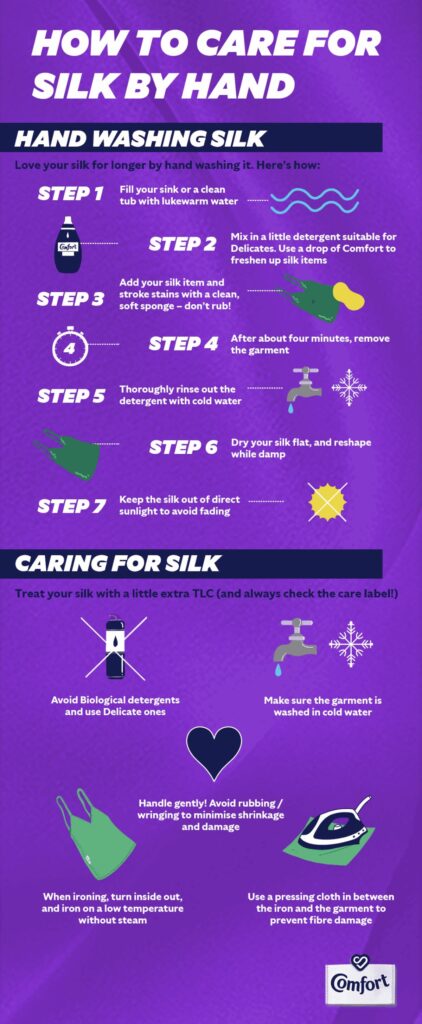
- Sunlight avoidance: Direct sunlight can cause silk to fade and lose its luster, so it’s best to avoid exposing it to the sun during the washing process.
Hand Washing Silk: A Gentle Approach
When it comes to washing silk, hand washing is often the safest option. This method allows for a more gentle touch, reducing the risk of damage or discoloration. To hand wash silk:
- Use warm water and a mild soap or shampoo specifically designed for delicate fabrics.
- Avoid over-saturating the fabric, as this can cause it to lose its shape during the drying process.
Hand washing is particularly recommended for garments with intricate designs or beading, as these features can be damaged by machine washing. When hand washing silk, make sure to gently swish the garment around in the water, then let it drain slowly before rinsing with clean water.
Machine Washing Silk: A Precautionary Approach
While machine washing is possible, it’s not always recommended. To wash silk in a machine:
- Use a gentle cycle with cold water and a delicate detergent specifically designed for silk.
- Place the silk garment in a mesh laundry bag to protect it from snagging or tangling.
Machine washing can be tricky when it comes to silk, as the fabric can easily become tangled or damaged. To minimize the risk of damage, use a gentle cycle with cold water and a delicate detergent specifically designed for silk. Always check the care label before machine washing your silk garment, and consider using a mesh laundry bag to protect the fabric.
Drying Silk: A Gentle Approach
Silk is prone to shrinkage, so it’s crucial to dry it gently. Here are some tips for drying silk:
- Avoid direct sunlight: Direct sunlight can cause silk to fade and lose its luster.
- Use a well-ventilated area: Hang the silk garment in a well-ventilated area, away from direct heat sources.
Drying silk requires patience and care. Avoid exposing it to direct sunlight, as this can cause the fabric to fade or become misshapen. Instead, hang the garment in a well-ventilated area, away from direct heat sources. If necessary, use the air fluff setting on your dryer to gently remove wrinkles without applying excessive heat.
Styling Silk: A Delicate Touch
When it comes to styling silk, a delicate touch is essential. Here are some tips for ironing and steaming silk:
- Use a low-temperature iron: Use a low-temperature iron to prevent scorching or burning the fabric.
- Use steam sparingly: Steam can help relax wrinkles, but use it sparingly to avoid damaging the fibers.
Ironing and steaming silk requires care and attention to detail. When using an iron or steamer on silk, make sure to use a low-temperature setting to prevent scorching or burning the fabric. Steam can also be used to relax wrinkles, but be cautious not to overdo it, as excessive steam can damage the fibers.
Frequently Asked Questions
- Q: Can I wash silk in hot water?
A: No, it’s not recommended to wash silk in hot water. Hot water can cause the fabric to shrink or become misshapen. - Q: How often should I wash silk?
A: Silk garments do not need to be washed frequently. In fact, over-washing can cause the fabric to lose its natural oils and become dull. - Q: Can I dry silk in a tumble dryer?
A: No, it’s not recommended to dry silk in a tumble dryer. The high heat can damage the fibers or cause shrinkage.
Conclusion
Washing and caring for silk requires a delicate touch and attention to detail. By following these guidelines, you can keep your silk garments looking their best for years to come. Remember to avoid harsh chemicals, hot water, and direct sunlight, and opt for gentle washing and drying methods instead. With proper care and handling, silk will remain a luxurious and timeless fabric for generations to come.
If you have any specific questions about the guide or would like additional information on how to properly wash and care for your silk garments, feel free to ask!


