
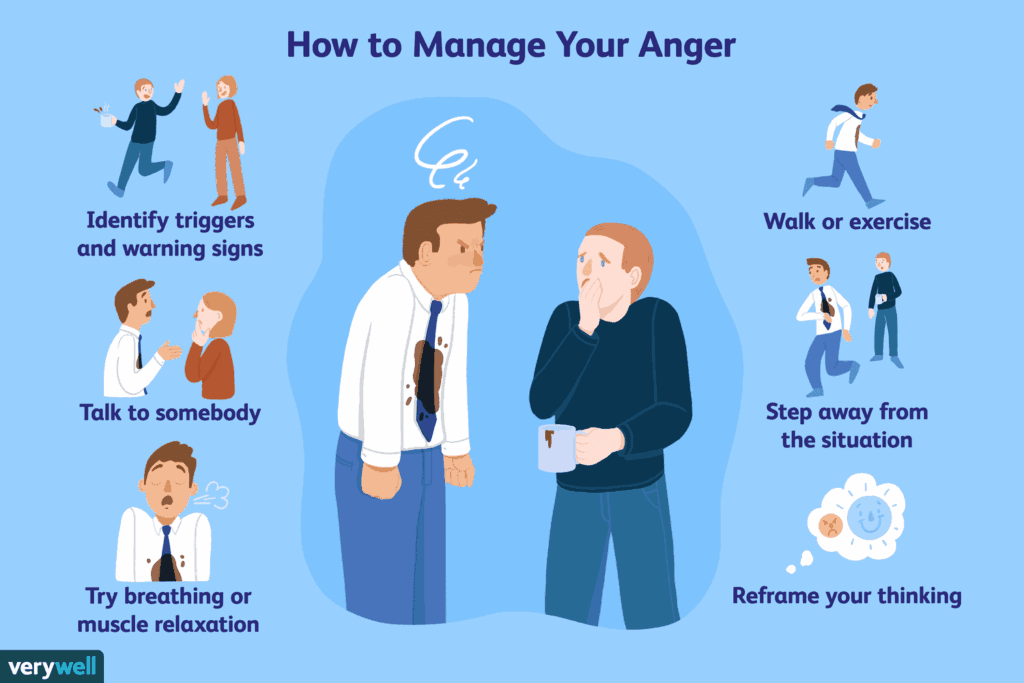
Anger is an emotion that affects us all at some point in our lives. While it’s natural to feel angry from time to time, chronic anger can have devastating effects on our mental and physical health. It can lead to strained relationships, decreased productivity, and even physical harm. In this article, we’ll explore some practical strategies for managing anger effectively.
Understanding Anger
Before we dive into the techniques for managing anger, it’s essential to understand what anger is and why it occurs. Anger is a natural emotion that arises in response to perceived threats or injustices. When we feel angry, our body’s “fight or flight” response is triggered, releasing stress hormones like adrenaline and cortisol.
These hormones prepare us to either fight or flee from the source of frustration, increasing heart rate, blood pressure, and energy levels. However, when left unchecked, anger can escalate into violent outbursts or destructive behaviors.
Recognizing Signs of Anger
Identifying the signs of anger is crucial for managing it effectively. Here are some common indicators:
- A rapid heartbeat
- Sweating
- Tension in the muscles
- Clenched fists
- Redness in the face
- Loud voice or aggressive behavior
Techniques for Managing Anger
Here are some effective techniques to help you control your anger:
1. Taking a Time-Out
When we’re angry, it’s essential to take a step back and give ourselves time to calm down. This technique involves stepping away from the source of frustration and engaging in a relaxing activity.
Why it works: When we’re angry, our body’s “fight or flight” response is triggered, releasing stress hormones like adrenaline and cortisol. Taking a time-out allows us to calm down and regulate these hormones, reducing the intensity of our anger.
2. Rationalizing Anger
Instead of expressing anger through aggressive behavior, try to rationalize your feelings and find a more constructive way to address the issue.
Why it works: When we try to convince others that we’re right, it can escalate the situation and lead to further conflict. By listening actively and seeking common ground, we can resolve conflicts more effectively and maintain healthy relationships.
3. Physical Activity
Engaging in physical activity can help reduce stress and anxiety, making it an excellent way to manage anger.
Why it works: Exercise releases endorphins, which are natural mood-boosters that can help alleviate symptoms of anger and frustration. Regular physical activity also improves sleep quality, reducing the likelihood of irritability and anger outbursts.
4. Reflective Thinking
Before speaking or acting on an angry impulse, take a moment to reflect on your feelings and motivations.
Why it works: Reflective thinking helps us identify our real attitudes and motivations, allowing us to make more informed decisions and avoid saying something we might regret later.
Questions to ask:
- “Why do I want to say/do this?”
- “What’s driving my anger?”
- “Is there a better way to express my feelings?”
5. Solving Problems
Instead of focusing on the source of frustration, try to identify solutions and work with others to find common ground.
Why it works: When we approach problems with empathy and understanding, we’re more likely to find mutually beneficial solutions that satisfy everyone’s needs.
6. Avoiding Escalation
When we’re angry, it’s easy to lash out at people or situations that don’t deserve our anger. Instead, try to focus on the root cause of your frustration and address it directly.
Why it works: Avoiding escalation helps prevent further conflict and promotes healthier relationships by addressing issues in a constructive manner.
7. Practicing Empathy
Empathy involves recognizing and understanding the feelings and perspectives of others.
Why it works: When we practice empathy, we become more aware of our own emotions and behaviors, helping us to manage anger and develop more positive relationships with others.
8. Focusing on Positivity
Using humor or finding the silver lining can help diffuse tension and reduce stress.
Why it works: Laughter and positivity can shift our focus away from negative thoughts and emotions, promoting a healthier mindset and improving overall well-being.
9. Practicing Relaxation Techniques
Regular relaxation practices, such as deep breathing exercises or meditation, can help calm the mind and body.
Why it works: Relaxation techniques reduce stress and anxiety by activating the parasympathetic nervous system, which promotes relaxation and reduces symptoms of anger.
10. Cultivating Gratitude
Practicing gratitude can help shift our focus away from negative thoughts and emotions, promoting a more positive outlook on life.
Conclusion
Managing anger is an essential skill for maintaining healthy relationships, improving mental well-being, and reducing stress. By incorporating these techniques into our daily lives, we can learn to control our anger and live more fulfilling lives.
Frequently Asked Questions (FAQs)
-
Q: Why is it difficult to manage anger?
A: Anger management can be challenging because it requires self-awareness, discipline, and practice. However, with the right strategies and mindset, anyone can learn to control their anger. -
Q: What are some common triggers for anger?
A: Common triggers for anger include perceived injustices, frustration, and stress. Identifying these triggers is crucial to developing effective coping mechanisms. -
Q: How can I improve my relationships when I’m angry?
A: When we’re angry, it’s essential to take a step back, calm down, and communicate effectively with others. This can help prevent misunderstandings and promote healthier relationships. -
Q: Can anger management techniques be applied in all situations?
A: While these techniques are generally effective, some may not work as well in certain situations, such as in emergency response situations or when faced with severe threats. -
Q: How long does it take to see results from anger management techniques?
A: Results can vary depending on individual circumstances and the effectiveness of the techniques used. Consistency and patience are key to achieving lasting changes. -
Q: Are there any specific exercises or practices that can help with anger management?
A: Yes, various relaxation techniques, such as deep breathing exercises, meditation, and physical activity, can be beneficial for managing anger. -
Q: Can I manage my anger on my own, or do I need professional help?
A: While some individuals may find it effective to self-manage their anger, others may benefit from seeking professional guidance from a therapist or counselor. -
Q: How can I ensure that my anger management techniques are effective in the long term?
A: By incorporating these techniques into daily life and maintaining consistency, you can develop lasting changes and improve your overall well-being. Regular practice, self-reflection, and patience are crucial for achieving long-term success.
Conclusion
Managing anger is a journey that requires effort, commitment, and self-awareness. While it’s not always easy, the benefits of managing anger far outweigh the challenges. By incorporating these techniques into our daily lives and practicing empathy, positivity, and relaxation, we can develop healthier relationships, improve mental well-being, and reduce stress.


