
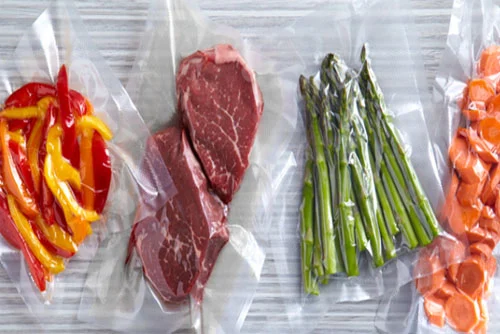
What is Vacuum Sealing?
Vacuum sealing, also known as sous vide or vacuum packaging, is a food preservation method that involves removing air from a container or bag to prevent spoilage and extend shelf life. This technique has gained popularity in recent years due to its convenience, nutritional benefits, and ability to preserve the freshness of food.
How Does Vacuum Sealing Work?
Vacuum sealing works by creating a partial vacuum inside a container or bag, which prevents air from entering and spoiling the food. The process involves removing air using a machine specifically designed for this purpose. This technique can be applied to various types of containers, including glass jars, plastic bags, and specialized vacuum-sealing machines.
Benefits of Vacuum Sealing
Vacuum sealing offers several benefits, including:
- Longer Shelf Life: By removing air from the container or bag, vacuum sealing prevents the growth of bacteria, yeast, and mold, which can spoil food.
- Better Nutrition: Vacuum-sealed food retains its nutrients, as the lack of oxygen prevents nutrient degradation.
- Easy Storage: Vacuum-sealed containers are lightweight and compact, making them ideal for storage in small spaces.
- Convenience: Vacuum sealing allows for easy reheating and cooking of sealed food without the need for specialized equipment.
Choosing the Right Vacuum Sealing Machine
When selecting a vacuum sealer, consider the following factors:
- Professional or Domestic Use: Choose between professional-grade machines that can reach high levels of suction (up to 99% air removal) and domestic-use models that are more affordable but still offer good performance.
- Price: Vacuum sealing machines range from under $100 to over $5,000, depending on the level of suction and features offered.
- Ease of Use: Consider the ease of use, including the complexity of setup and operation.
Best Vacuum Sealing Machines for Domestic Use
For domestic users, some popular options include:
- Laica VT3112: A semi-professional vacuum sealer that can remove up to 90% air from a container or bag.
- FoodSaver V3840: A multifunctional vacuum sealer that can also be used for marinating and cooking.
Tips for Effective Vacuum Sealing
To ensure effective vacuum sealing, follow these tips:
- Use High-Quality Containers: Choose containers that are specifically designed for vacuum sealing to prevent leaks.
- Follow Proper Food Handling Procedures: Always handle food safely and hygienically when storing or consuming vacuum-sealed products.
- Monitor Temperature: Keep sealed food at a consistent refrigerator temperature (below 40°F/4°C) to slow down bacterial growth.
Safety Precautions for Vacuum Sealing
When using a vacuum sealer, ensure you follow proper safety precautions:
- Proper Ventilation: Always use the machine in a well-ventilated area to prevent carbon dioxide buildup.
- Food Safety: Handle and store food safely when sealing to prevent contamination.
- Machine Maintenance: Regularly clean and maintain the vacuum sealer to ensure optimal performance.
Comparison of Vacuum Sealing Machines
Here’s a comparison of some popular vacuum sealing machines:
| Machine | Professional Grade? | Price Range | Suction Level |
|---|---|---|---|
| Laica VT3112 | Semi-Professional | $200-$500 | 90% air removal |
| FoodSaver V3840 | Domestic Use | $300-$600 | 70% air removal |
How to Choose the Right Vacuum Sealer
When choosing a vacuum sealer, consider your specific needs:
- Need for Professional-Grade Suction: If you plan on using the machine frequently or want high suction levels, choose a professional-grade model.
- Budget Constraints: Domestic-use models offer affordable options without sacrificing performance.
- Ease of Use and Maintenance: Consider machines with simple setup and maintenance requirements.
Best Practices for Vacuum Sealing
To get the most out of your vacuum sealer:
- Cleanliness is Key: Regularly clean the machine to prevent bacterial growth.
- Follow Guidelines: Adhere to manufacturer guidelines when sealing food.
- Monitor Performance: Keep track of suction levels and performance.
Conclusion
Vacuum sealing is a versatile and convenient way to preserve food. By understanding how it works, choosing the right machine, and following proper techniques, you can enjoy fresh and healthy meals for years to come.
FAQs
- Q: What is the benefit of vacuum-sealing food?
A: Vacuum sealing removes air from a container or bag, preventing spoilage and extending shelf life. - Q: How do I choose the right vacuum sealer for my needs?
A: Consider factors such as professional or domestic use, price, and ease of use when selecting a machine. - Q: What is the difference between semi-professional and professional-grade vacuum sealers?
A: Semi-professional machines typically remove up to 90% air from containers, while professional-grade machines can reach 99%. - Q: Can I use any container for vacuum sealing?
A: No, choose high-quality containers specifically designed for vacuum sealing to prevent leaks. - Q: How often should I check the seal on a vacuum-sealed container?
A: Check the seal regularly to ensure it remains secure and effective.
Recommended Vacuum Sealing Machines
- Laica VT3112
- FoodSaver V3840
Additional Resources


