
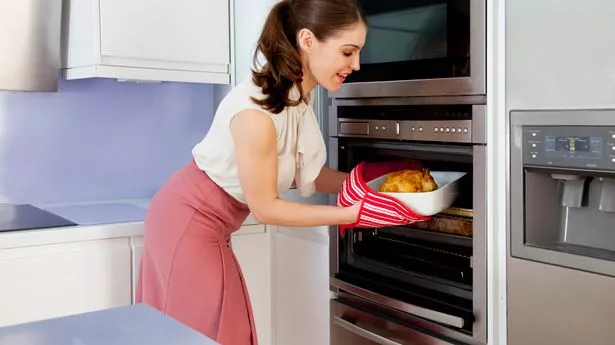
Have you ever tried to limit your oven usage to conserve energy and money? Why deprive yourself when there are ways to use the oven while saving energy? Saving energy not only benefits our wallets but also the environment. Here’s a guide on how to cook eco-friendly using your oven.
Why Use Your Oven Efficiently?
Relying solely on the oven can be an energy-intensive activity, which can lead to increased utility bills and a significant environmental impact. On the other hand, using your oven efficiently can help reduce energy consumption, save you money, and promote a more sustainable lifestyle.
Tips for Using Your Oven with Minimal Energy Loss
To minimize energy loss while cooking, follow these simple tips:
- Close the Oven Door: Keep the oven door closed as much as possible to prevent heat from escaping.
- Open Less Often: Avoid opening the oven door frequently, as this can cause a significant drop in temperature and lead to increased energy consumption.
- Use a Thermometer: If your oven has a thermometer, use it to check the internal temperature of your food instead of relying on visual cues.
Optimizing Your Oven for Energy Efficiency
To make the most out of your oven’s energy efficiency, consider these additional tips:
- Preheat Before Cooking: Preheating your oven is essential, especially when cooking delicate foods or when you want to achieve a specific temperature.
- Use the Right Cooking Method: Choose the right cooking method for your recipe. For example, baking, roasting, and broiling can be more energy-efficient than frying or grilling.
- Don’t Overcrowd the Oven: Cook in batches if necessary, to ensure that each item has enough space to cook evenly.
Maintaining Your Oven
To maintain your oven’s efficiency and extend its lifespan, follow these simple maintenance tips:
- Clean the Oven Regularly: Clean the oven regularly using eco-friendly products to prevent food buildup and grime.
- Check for Wear and Tear: Regularly inspect your oven for signs of wear and tear, such as loose parts or damaged seals.
Additional Energy-Saving Tips
In addition to these tips, here are some additional energy-saving suggestions to consider:
- Invest in an Energy-Efficient Oven: If you’re planning to upgrade your oven, look for models with high energy efficiency ratings.
- Use a Timer: Set a timer to ensure that your oven is not left on for extended periods of time.
- Avoid Cooking During Peak Hours: Try to avoid cooking during peak hours (usually between 5pm and 7pm) when energy demand is highest.
- Consider Using a Smart Oven: Some smart ovens come equipped with features such as automatic temperature control and energy monitoring.
Common Mistakes to Avoid
To ensure that you’re getting the most out of your oven, be aware of these common mistakes to avoid:
- Not Preheating the Oven: Not preheating the oven can lead to undercooked or overcooked food.
- Overcrowding the Oven: Overcrowding the oven can cause uneven cooking and increased energy consumption.
- Failing to Clean the Oven: Failing to clean the oven regularly can lead to food buildup and grime, which can affect its efficiency.
Conclusion
Using your oven efficiently can save you money and promote a more sustainable lifestyle. By following these simple tips and maintaining your oven regularly, you can enjoy delicious meals while minimizing energy consumption.
Frequently Asked Questions
- What is the most efficient way to preheat my oven?
Preheating your oven for at least 10-15 minutes before cooking can help ensure that it reaches the desired temperature efficiently. - Can I use my oven to cook multiple dishes at once?
While it’s tempting to try and fit more into your oven, overcrowding can lead to uneven cooking and increased energy consumption. Cook in batches if necessary to achieve optimal results. - How often should I clean my oven?
Cleaning your oven regularly can help prevent food buildup and grime from forming. Aim to clean it at least once a month for optimal performance. - What are some eco-friendly cleaning products I can use on my oven?
Eco-friendly cleaning products, such as baking soda and vinegar, are gentle on surfaces and the environment. - Can I reuse old oven parts or replace them with new ones?
If you’re looking to save money, consider reusing old oven parts if they’re still in good condition. However, be sure to check for any safety hazards before using them again. - How can I ensure that my oven is working efficiently after maintenance?
After cleaning and maintaining your oven, run a self-cleaning cycle or use baking soda and water to test its performance. - Are there any specific cooking methods that are more energy-efficient than others?
Baking, roasting, and broiling are generally more energy-efficient than frying or grilling, but it ultimately depends on the specific recipe and ingredients used.
By following these tips and maintaining your oven regularly, you can enjoy delicious meals while minimizing energy consumption.


