
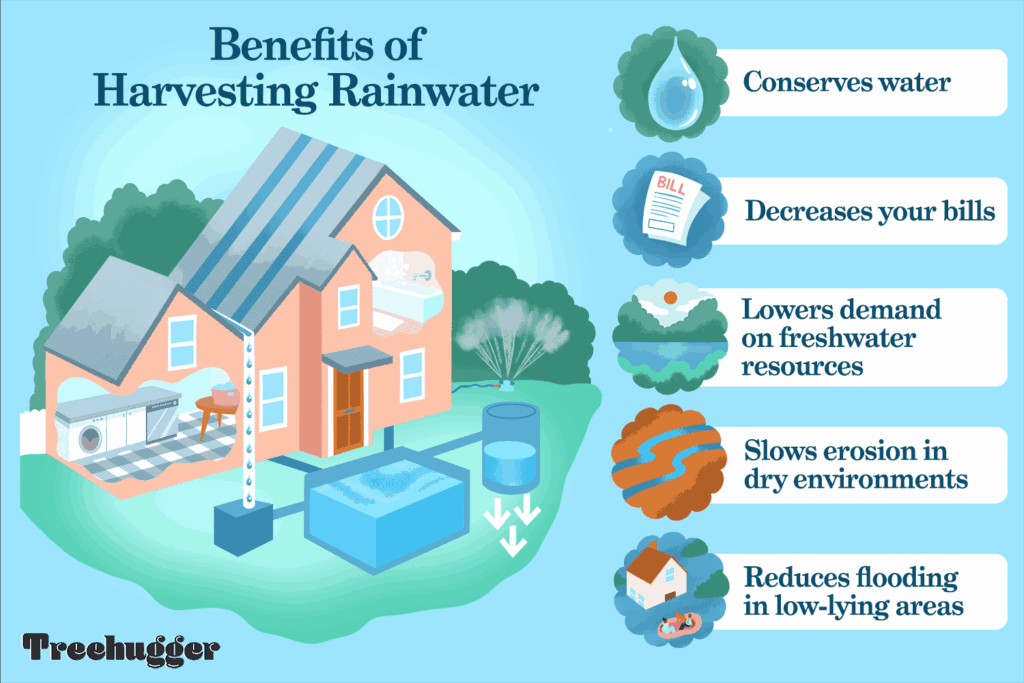
As the world becomes increasingly aware of the importance of conserving water, many people are turning to rainwater harvesting as a viable solution for their domestic needs. But what exactly is rainwater, and how can it be used? In this article, we’ll explore the benefits of using rainwater, its various applications, and provide a comprehensive guide on how to implement a rainwater harvesting system in your home.
What is Rainwater?
Rainwater is collected from rainfall, which can be harnessed and used for various purposes. Unlike tap water, which may contain additives, minerals, and bacteria, rainwater is free from these contaminants. This makes it an ideal choice for irrigation, household use, and even industrial applications.
The Benefits of Using Rainwater
There are several benefits to using rainwater, making it a popular choice among eco-conscious individuals and environmentally aware homeowners. Some of the advantages include:
- Reduced Water Bills: By using rainwater for non-potable purposes, you can significantly reduce your water bills.
- Conservation of Potable Water: Rainwater harvesting helps conserve potable water for drinking, cooking, and personal hygiene.
- Lower Energy Consumption: Using rainwater reduces the need for energy-intensive treatment processes, thus lowering your carbon footprint.
Applications of Rainwater
Rainwater can be used for a wide range of purposes, including:
- Irrigation: Rainwater is perfect for irrigating plants, gardens, and lawns.
- Household Use: It can be used for washing dishes, cleaning floors, and even bathing.
- Industrial Applications: Rainwater is often used in industries such as manufacturing, mining, and construction.
Components of a Rainwater Harvesting System
A comprehensive rainwater harvesting system consists of three primary components:
- Cisterns: These are tanks that collect and store rainwater. Cisterne can be buried underground, eliminating the need for space-consuming roof-top storage.
- Tubs: These pipes distribute the collected rainwater to various locations in your home or yard.
- Filters: These systems remove bacteria, sediment, and other contaminants from the rainwater.
Choosing the Right Equipment
When selecting equipment for your rainwater harvesting system, consider the following factors:
- Capacity: Choose a cistern that can store enough water to meet your needs.
- Material: Select materials that are durable, resistant to corrosion, and easy to clean.
- Maintenance: Regular maintenance is crucial to ensure the quality of the rainwater.
The Cost of Implementing a Rainwater Harvesting System
The cost of setting up a rainwater harvesting system varies depending on factors such as the capacity of the cistern, the type of equipment used, and local regulations. On average, a basic setup can cost around €800.
Conclusion
Rainwater harvesting is an effective way to reduce your water bills, conserve potable water, and lower your carbon footprint. By understanding the benefits, applications, and components of a rainwater harvesting system, you can make informed decisions about how to implement this sustainable solution in your home.
Frequently Asked Questions (FAQs)
- What is the best way to collect rainwater?
- Use a roof-top storage tank or an underground cistern to collect rainwater.
- Can I use rainwater for drinking?
- No, it’s not recommended to drink rainwater without proper treatment and filtration.
- How often should the filter be cleaned?
- Regularly clean and maintain your filters to ensure optimal performance and water quality.
- What are some common contaminants in rainwater?
- Bacteria, sediment, particulate matter, and other pollutants may be present in rainwater.
- Can I use a single filter for both cisterns and tubs?
- Typically, it’s best to use separate filters for the cistern and tubs to ensure optimal performance and water quality.
- What is the ideal capacity of a cistern?
- The capacity should be enough to meet your needs, but not so large that it becomes difficult to manage.
- How much does it cost to implement a rainwater harvesting system?
- Average costs range from €800 for a basic setup.
- Can I use rainwater for industrial purposes?
- Yes, rainwater can be used in various industries such as manufacturing, mining, and construction.
By answering these frequently asked questions, you’ll have a better understanding of how to harness the power of rainwater for your home and beyond.
Rainwater Harvesting Systems: A Comprehensive Guide
A well-designed rainwater harvesting system is crucial to ensure optimal performance and water quality. Here are some key considerations:
- System Design: The design should be tailored to meet your specific needs, taking into account factors such as roof size, gutter system, and cistern capacity.
- Material Selection: Choose materials that are durable, resistant to corrosion, and easy to clean. This includes the cistern, gutters, downspouts, and filters.
- Maintenance Schedule: Regular maintenance is essential to ensure optimal performance and water quality. Set a schedule for cleaning and inspecting your system.
Rainwater Harvesting: A Sustainable Solution for Communities
Rainwater harvesting is not just beneficial for individual households; it can also contribute to community sustainability. By implementing rainwater harvesting systems, communities can:
- Reduce Water Demand: Rainwater harvesting can reduce the demand on potable water sources, alleviating pressure on local water supplies.
- Increase Resilience: Rainwater harvesting systems can provide a reliable source of water during droughts or emergencies, increasing community resilience.
- Promote Environmental Awareness: Rainwater harvesting initiatives can raise awareness about the importance of conserving water and promoting sustainable practices.
Case Studies: Real-World Applications of Rainwater Harvesting
Several communities around the world have successfully implemented rainwater harvesting systems, demonstrating their effectiveness in reducing water bills, conserving potable water, and promoting sustainability. Here are a few examples:
- Melbourne, Australia: Melbourne’s rainwater harvesting program has seen a 25% reduction in water bills for residents.
- San Francisco, USA: San Francisco’s rainwater harvesting system provides up to 30% of the city’s drinking water.
- Copenhagen, Denmark: Copenhagen’s rainwater harvesting system reduces stormwater runoff by 60%, improving urban drainage and reducing erosion.
These case studies demonstrate the potential of rainwater harvesting systems in reducing water bills, conserving potable water, and promoting sustainability. By understanding the benefits and applications of rainwater harvesting, communities can make informed decisions about implementing this sustainable solution.


