
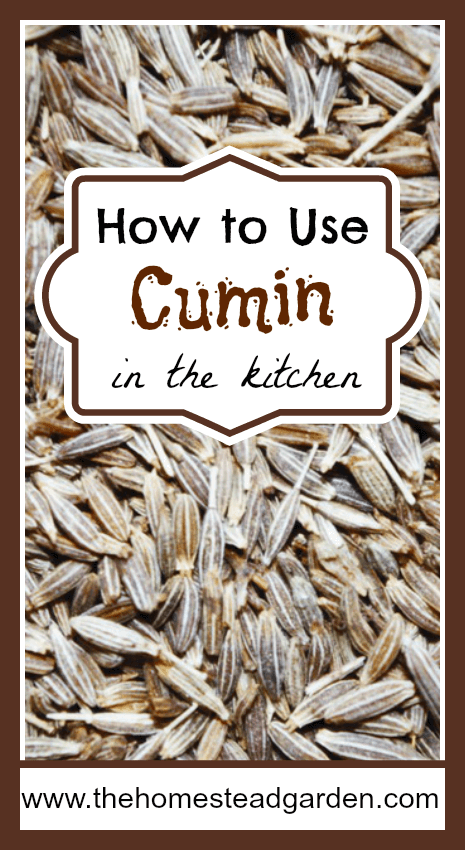
What is Cumin?
Cumin, botanically known as Cuminum cyminum, is a popular aromatic herb widely used in cooking and medicine. Native to the Mediterranean region, cumin is easy to cultivate and can be grown in many parts of the world.
The History and Significance of Cumin
For thousands of years, cumin has been an integral part of various cultures’ traditional cuisine and medicinal practices. The ancient Egyptians, Greeks, and Romans used cumin for its culinary and therapeutic properties. In India, cumin is considered a sacred herb and is often referred to as “jeera.” Its popularity has spread globally, making it one of the most widely consumed spices in the world.
The Benefits of Cumin
After exploring the benefits of cumin, we will delve into its various uses, properties, and applications in cooking and natural remedies.
Properties and Health Benefits
Cumin seeds are rich in iron, possess digestive properties, and may have anti-cancerous effects. A study conducted in a laboratory demonstrated that cumin has a positive effect on the growth of stomach and liver tumors. Its antioxidant capabilities can be attributed to its ability to eliminate free radicals. Cumin also acts as a stimulant, promoting the production of enzymes that detoxify the liver.
The traditional use of cumin seeds was aimed at improving digestion. Recent scientific research has confirmed this practice: cumin stimulates pancreatic enzyme secretion necessary for nutrient absorption.
The Digestive Benefits of Cumin
Cumin’s digestive benefits are attributed to its ability to stimulate the secretion of gastric acid and enzymes in the stomach. This helps break down proteins, carbohydrates, and fats, making it easier for the body to absorb essential nutrients. Additionally, cumin’s iron content can help reduce inflammation in the digestive tract, alleviating symptoms associated with irritable bowel syndrome (IBS).
Using Cumin for Weight Loss
Cumin can aid in weight loss due to its ability to improve digestion and iron content, making it a beneficial ingredient for those following an hypocaloric diet. Additionally, cumin may boost metabolism by acting as a natural stimulant, similar to other spices.
Studies have shown that consuming cumin seeds before meals can increase satiety and reduce calorie intake. The fiber content in cumin also helps slow down digestion, keeping you feeling fuller for longer periods.
Cumin and Blood Sugar Control
Cumin has been found to possess potential benefits in managing blood sugar levels. Its antioxidant properties may help regulate glucose metabolism, reducing the risk of developing type 2 diabetes.
In traditional Ayurvedic medicine, cumin seeds are used to treat patients with diabetes mellitus due to their supposed ability to balance blood sugar levels and stimulate insulin production.
Cumino in Polvere or Semen di Cumino
In the market, you can find cumin in two forms: seeds and ground powder. The ground powder is commonly used as a spice in cooking or for preparing Garam masala blends.
Cumin in Cooking
You can use cumin to add flavor to breads, pizza, and pasta. It pairs well with ginger when added to smoothies, milkshakes, or juice. In India, cumin is used to make a refreshing drink called “lassi,” which can be prepared easily by combining yogurt, water, lemon juice, salt, and ground cumin.
To add flavor to your meals, you can use cumin powder on meats, beans, or vegetables. It’s also an excellent addition to soups and salads. A pinch of cumin added to guacamole salsa will enhance its taste and digestibility.
Preparing a Cumin Tea
As a natural remedy, you can prepare a cumin tea by adding 2 grams of ground cumin powder to each glass of hot water. This tea is helpful in relieving digestive issues and flatulence problems.
How to Make Cumin Tea
To make cumin tea, follow these steps:
- Boil fresh water in a pot.
- Add 2 grams of ground cumin powder to the boiling water.
- Let it steep for 5-7 minutes.
- Strain the liquid and discard the solids.
- Enjoy your warm cup of cumin tea.
Where to Buy Cumin Powder
You can purchase cumin powder or seeds from various grocery stores or online retailers. On Amazon, you can find a pack of organic cumin powder weighing 250 grams for approximately 13.9 euros.
How to Store Cumin Powder
To preserve the flavor and nutritional properties of cumin powder, store it in an airtight container away from direct sunlight and moisture.
Conclusion
Cumin is a versatile spice with numerous health benefits and culinary uses. Its unique flavor profile makes it an excellent addition to various dishes. When used in moderation, cumin can enhance your digestive health, boost metabolism, and even aid in weight loss. Experimenting with different recipes and natural remedies will allow you to unlock the full potential of this incredible herb.
Frequently Asked Questions
- What is the recommended dosage of cumin powder for digestion?
A recommended dose is 2 grams of ground cumin per glass of hot water, taken after meals. - Can I use cumin as a substitute for other spices in recipes?
Cumin has a distinct flavor profile; it’s best to experiment with small amounts and adjust seasoning according to taste. - Is cumin safe for pregnant women or breastfeeding mothers?
While cumin is generally considered safe, consult your healthcare provider before consuming it during pregnancy or breastfeeding. - Can I consume cumin powder on an empty stomach?
It’s recommended to consume cumin with a meal or after eating food to avoid digestive discomfort. - What are the potential side effects of excessive cumin consumption?
High doses of cumin may cause stomach upset, nausea, or allergic reactions in some individuals; start with small amounts and monitor your body’s response. - Can I grow my own cumin plant at home?
Cumin is relatively easy to cultivate indoors; ensure it receives sufficient sunlight and water. - How long does cumin take to digest?
Cumin seeds are quickly absorbed by the digestive system, usually within 30 minutes of consumption. - Are there any interactions between cumin and medications?
If you’re taking medication or have health conditions, consult your healthcare provider before consuming cumin powder or seeds.


