
Are you tired of using mouthwash as a quick fix for bad breath or cavities? While it can be a useful addition to your oral hygiene routine, it’s essential to use it correctly to reap its benefits. In this article, we’ll explore the world of mouthwash, its characteristics, and how to choose the right product for your needs.
What is Mouthwash?
Mouthwash is a liquid substance with antiseptic and anti-plaque properties that helps prevent cavities, gum disease, and bad breath. It’s usually used after brushing teeth, and its effectiveness depends on various factors, including the quality of the product and how it’s used.
Characteristics of a Good Mouthwash
When choosing a mouthwash, look for products with ingredients that won’t harm you in the long run. Some key characteristics to consider include:
- Antiseptic properties: Look for products containing ingredients like chlorhexidine or essential oils.
- Anti-plaque properties: Products that reduce plaque formation can help prevent gum disease and cavities.
- Fluoride content: Fluoride helps strengthen tooth enamel and prevent decay.
How to Use Mouthwash Effectively
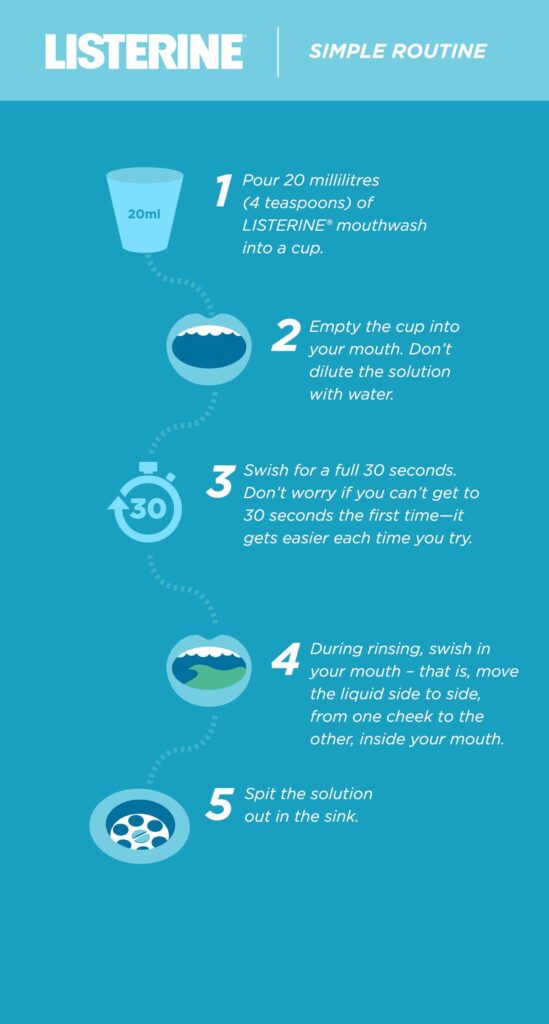
Using mouthwash correctly is crucial to getting the best results. Here are some tips:
- Use a high-quality product with ingredients that won’t harm you.
- Follow the instructions for use, typically 1-2 minutes after brushing teeth.
- Rinse your mouth thoroughly with water to remove any remaining mouthwash.
- Don’t swallow mouthwash or leave it unattended around children.
Mouthwash vs. Fluoride Toothpaste
While some people think that using mouthwash instead of fluoride toothpaste is a better alternative, the truth is that both can be effective when used correctly. In fact, using mouthwash after brushing teeth can enhance the benefits of fluoride toothpaste. Just remember to use them in combination and not as a replacement.
Alcohol-Free Mouthwash
Some people may think that alcohol-free mouthwash is less effective, but research suggests that essential oils can provide similar antibacterial action without the risks associated with alcohol. Look for products containing natural ingredients like tea tree oil or peppermint oil.
Mouthwashes Containing Chlorhexidine
Chlorhexidine-based mouthwashes have antibacterial and anti-bacterial properties, making them often recommended by dentists after gum inflammation or oral cavity infections. However, using these mouthwashes can lead to unsightly stains on teeth if used for extended periods. Look for products with lower percentages of chlorhexidine (0.2% or less) for safer use.
Mouthwash for Children
Introducing children to the world of mouthwash can be a great way to promote good oral hygiene habits from an early age. When choosing a mouthwash for kids, look for products specifically designed for their needs and tastes. Two popular options include Pasta del Capitano’s sweet mint flavor and Listerine for children.
Choosing the Right Mouthwash
With so many mouthwashes on the market, it can be overwhelming to choose the right one for your needs. Here are some tips to help you make an informed decision:
- Consider your oral health concerns: If you have gum disease or cavities, look for products containing ingredients that target those issues.
- Think about your lifestyle: If you’re active or live in a humid climate, consider using mouthwash with antibacterial properties to combat bad breath and plaque buildup.
- Look for certifications: Opt for products certified by reputable organizations like the American Dental Association (ADA) or the International Organization of Standardization (ISO).
- Read labels carefully: Pay attention to ingredient lists and follow instructions on how to use the product.
Common Mouthwash Ingredients
Some common mouthwash ingredients include:
- Chlorhexidine: An antibacterial agent that helps prevent plaque buildup and gum disease.
- Fluoride: A chemical compound that strengthens tooth enamel and prevents decay.
- Essential oils: Natural compounds with antibacterial properties, such as tea tree oil or peppermint oil.
- Antibacterial agents: Compounds like benzalkonium chloride or cetylpyridinium chloride that help kill bacteria in the mouth.
Mouthwash Interactions
Using certain mouthwashes can interact with other products you use or medications you take. Here are some potential interactions to be aware of:
- Toothpaste and mouthwash: Using mouthwash after brushing teeth can enhance the benefits of fluoride toothpaste.
- Dental implants: Some mouthwashes may contain ingredients that irritate dental implant surfaces, so consult your dentist before using them.
- Medications: Certain medications like blood thinners or diabetes medications interact with mouthwashes containing chlorhexidine.
Conclusion
Mouthwash can be a valuable addition to your oral hygiene routine when used correctly. By understanding the characteristics of a good mouthwash and how to use it effectively, you can reduce cavities, prevent gum disease, and keep bad breath at bay. Remember to choose products with natural ingredients, follow instructions carefully, and use them in combination with fluoride toothpaste.
Frequently Asked Questions
- Q: Can I swallow mouthwash?
A: No, swallowing mouthwash is not recommended as it can contain toxic substances. - Q: How often should I use mouthwash?
A: Use mouthwash at least twice a day, after brushing teeth. - Q: Can I use mouthwash if I have sensitive teeth?
A: Yes, look for products specifically designed for sensitive teeth or consult your dentist for advice. - Q: Is alcohol-free mouthwash as effective as regular mouthwash?
A: Research suggests that essential oils can provide similar antibacterial action without the risks associated with alcohol. - Q: Can I use mouthwash if I have gum disease?
A: Yes, but consult your dentist for advice on using mouthwash in conjunction with their treatment plan. - Q: How long does mouthwash last?
A: Good-quality mouthwashes can last up to 3 years without any worries about side effects or systemic toxicity. - Q: Can I use mouthwash if I’m pregnant or breastfeeding?
A: Consult your dentist or healthcare provider for advice on using mouthwash during pregnancy or breastfeeding. - Q: How do I store mouthwash?
A: Store mouthwash in a cool, dry place away from direct sunlight and heat sources.
Tips for Using Mouthwash
Here are some additional tips to help you get the most out of your mouthwash:
- Use mouthwash as part of a comprehensive oral hygiene routine.
- Don’t overuse mouthwash – using it too frequently can lead to irritation or other side effects.
- Choose a mouthwash that fits your lifestyle and needs.
- Keep mouthwash out of reach of children and pets.
Final Thoughts
Using mouthwash effectively requires understanding its benefits, choosing the right product for your needs, and following instructions carefully. By incorporating mouthwash into your oral hygiene routine, you can reduce cavities, prevent gum disease, and keep bad breath at bay. Remember to consult your dentist or healthcare provider if you have any questions or concerns about using mouthwash.


