
Are you wondering if you have low serotonin levels in your body? Or perhaps you’re looking to know how to remedy this condition. In this article, we will provide a comprehensive guide to explain what serotonin is, its importance, potential causes of low serotonin levels, and ways to increase them.
What is Serotonin?
Serotonin is a neurotransmitter found in certain foods and plays a crucial role in regulating our mood, appetite, and sleep patterns. It also helps with learning, memory, bone formation, and other bodily functions. We can find this neurotransmitter mainly in the digestive tract, where it regulates digestion, and also in the central nervous system, where it influences our mood, sleep, appetite, learning, memory, and bone health.
High Serotonin: The Good Mood Connection
When serotonin levels are high, we tend to feel happy and content. This neurotransmitter is often referred to as the “mood-booster.” When serotonin levels are adequate, we experience an improvement in our mood, reduced anxiety, improved sleep quality, and a lower risk of depression.
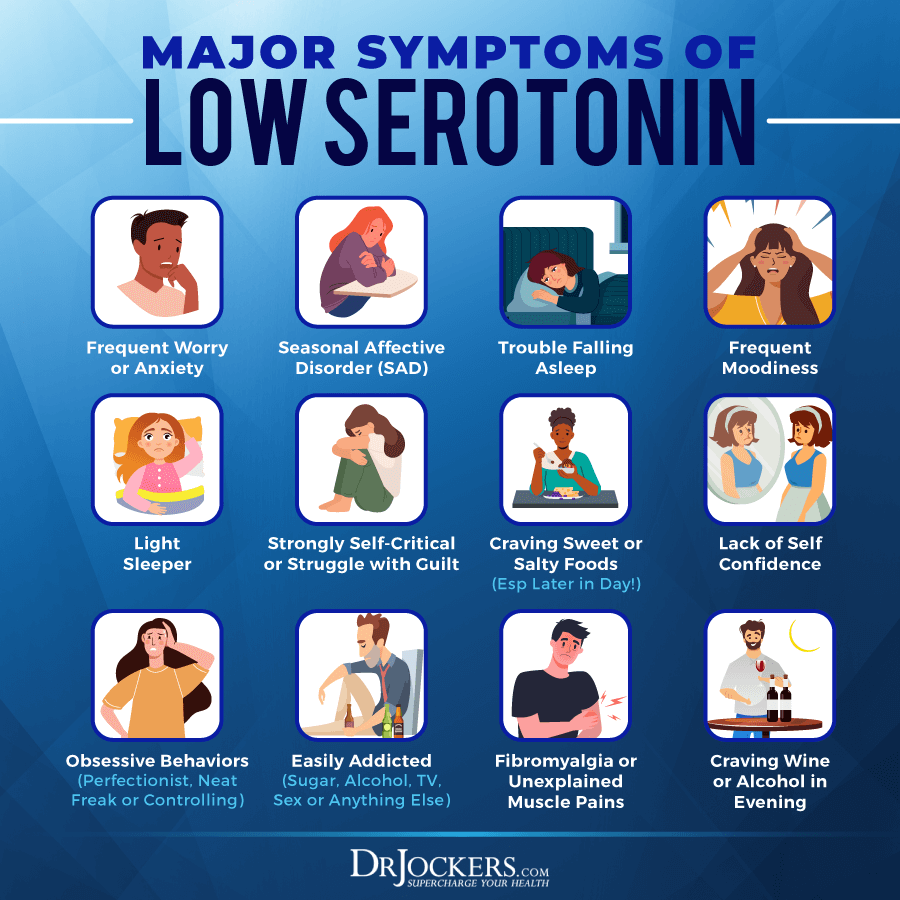
Symptoms of Low Serotonin Levels
If you’re experiencing any of the following symptoms, it may be a sign that your serotonin levels are low:
- Feeling sad or depressed
- Mood swings
- Anxiety or panic attacks
- Insomnia or disrupted sleep patterns
- Irritability or aggression
- Loss of appetite or eating disorders
- Poor memory or concentration
- Bone loss or osteoporosis
Foods That Stimulate Serotonin Production
Certain foods can help stimulate serotonin production in our bodies. Some examples include:
- Dark chocolate and cocoa powder
- Nuts, such as almonds and walnuts
- Kiwi fruit
- Blueberries and other berries
- Tomatoes
- Bananas
- Prunes
- Lentils and peas
- Oysters and other shellfish
Incorporating these foods into your diet can help increase serotonin levels. Additionally, replacing simple carbohydrates with complex ones, such as whole grains, fruits, and vegetables, can also promote healthy serotonin production.
Natural Serotonin Boosters
Some natural sources of serotonin include:
- Griffonia, a plant that contains the amino acid tryptophan, which is converted into serotonin in the brain
- Passionflower and melissa, herbs often used in herbal supplements
However, it’s essential to note that while these substances can support serotonin production, they may not provide the same level of benefits as prescription medications.
Foods That Inhibit Serotonin Production
Certain foods and substances can inhibit serotonin production. These include:
- Caffeine-containing products, such as coffee, tea, and energy drinks
- Processed meats and sugary snacks
Avoiding or reducing consumption of these substances can help maintain healthy serotonin levels.
Serotonin and Dopamine: The Dynamic Duo
Dopamine and serotonin are two neurotransmitters that work together to regulate our mood, motivation, and pleasure. When dopamine is low, we may experience decreased motivation, pleasure, and satisfaction. Conversely, when serotonin levels are high, we tend to feel more relaxed, content, and motivated.
Supplements for Increasing Serotonin
Some supplements can help increase serotonin production in the body. These include:
- Tryptophan supplements
- Vitamin B6 and B12 supplements
However, before taking any supplement, consult with a healthcare professional to ensure it’s safe and effective for your specific needs.
The Science Behind Serotonin Production
Serotonin is produced in the brain through a complex process involving multiple steps. The production of serotonin involves the conversion of tryptophan into 5-hydroxytryptamine (5-HT), which is then transported across the blood-brain barrier and released into the synapses.
Factors That Can Affect Serotonin Production
Several factors can affect serotonin production, including:
- Diet: Consuming foods high in protein, fiber, and healthy fats can help support serotonin production.
- Stress: Chronic stress can decrease serotonin levels, while relaxation techniques like meditation and yoga can increase them.
- Sleep: Getting adequate sleep is essential for maintaining healthy serotonin levels.
- Exercise: Regular exercise can help improve mood and reduce symptoms of depression.
The Role of Gut Health in Serotonin Production
Gut health plays a crucial role in serotonin production. The gut microbiome produces neurotransmitters like serotonin, dopamine, and GABA, which are essential for maintaining proper brain function. A healthy balance of gut bacteria is necessary for optimal serotonin production.
Conclusion
Low serotonin levels can lead to various symptoms and negatively impact our overall well-being. By incorporating foods that stimulate serotonin production, avoiding substances that inhibit it, and maintaining a balanced diet, we can support healthy serotonin levels. Additionally, exploring natural sources of serotonin and supplements can help supplement our efforts. Remember, it’s essential to consult with a healthcare professional before making any significant changes to your lifestyle or supplement routine.
Frequently Asked Questions (FAQs)
- What are the benefits of increasing serotonin levels?
Increasing serotonin levels can lead to improved mood, reduced anxiety, better sleep quality, and enhanced overall well-being.
- Can low serotonin levels cause depression?
Yes, low serotonin levels have been linked to depression, anxiety disorders, and other mental health issues.
- What foods are best for increasing serotonin production?
Incorporating dark chocolate, nuts, kiwi fruit, blueberries, tomatoes, bananas, prunes, lentils, and peas into your diet can help stimulate serotonin production.
- Can I take supplements to increase serotonin levels?
While supplements like tryptophan and vitamin B6/B12 may support serotonin production, consult with a healthcare professional before adding any new supplements to your routine.
- How long does it take for serotonin levels to increase?
The time it takes for serotonin levels to increase varies depending on individual factors, such as diet and lifestyle. It’s essential to be patient and consistent in maintaining healthy habits.
- Can I reverse low serotonin levels naturally?
Yes, incorporating healthy habits like a balanced diet, regular exercise, stress management, and sufficient sleep can help support natural serotonin production.
- Are there any potential side effects of increasing serotonin levels?
While generally considered safe, high serotonin levels can cause side effects such as nausea, vomiting, diarrhea, and headaches. If you experience any adverse effects, consult with a healthcare professional for guidance.
- Can low serotonin levels be treated with medication?
Yes, prescription medications like selective serotonin reuptake inhibitors (SSRIs) can help treat depression and other conditions associated with low serotonin levels. However, always consult with a healthcare professional before starting any new medication regimen.
- How does sleep affect serotonin production?
Getting adequate sleep is essential for maintaining healthy serotonin levels. Sleep deprivation can lead to decreased serotonin production, while getting enough sleep can support natural serotonin production.
- Can stress affect serotonin production?
Yes, chronic stress can decrease serotonin levels, while relaxation techniques like meditation and yoga can increase them.


