
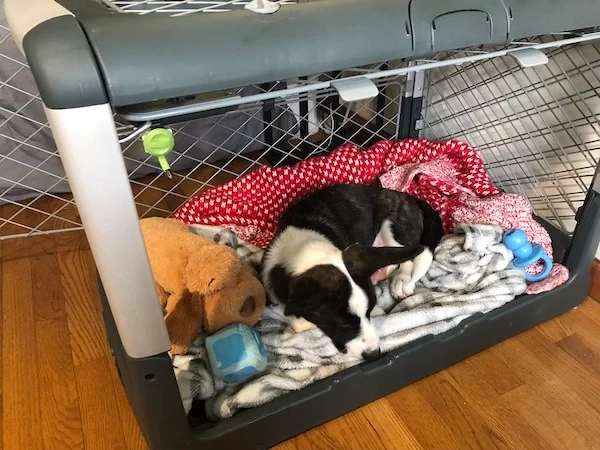
As much as we would love to snuggle up on a plush bed or cozy mattress, humans have a hard time resisting the temptation of climbing onto their favorite couches. Dogs, however, are not so lucky when it comes to sharing our beds or lounging spots. But why? Can we teach our canine companions to sleep peacefully in their own crates?
Let’s explore some practical tips on how to train your dog to sleep in his crate, and what you need to know about choosing the perfect one.
Why Crate Training is Necessary
Crate training is a great way to provide a safe space for your dog to relax and sleep. Dogs have an innate instinct to den and seek shelter from predators or harsh weather conditions. By providing a crate, you’re giving your dog a cozy little home where he can feel secure and comfortable.
The Benefits of Crate Training
Crate training has numerous benefits for both dogs and their owners. Some of the advantages include:
- Reduced Separation Anxiety: Crate training can help alleviate separation anxiety in dogs by providing them with a safe space to relax when you’re not around.
- Prevents Destructive Behavior: Dogs often engage in destructive behavior when left unsupervised, such as chewing furniture or digging up plants. Crate training prevents this behavior by keeping your dog occupied and secure.
- Housebreaking Made Easy: Crate training makes housebreaking a breeze by giving you a clear area where your dog can do his business.
- Prevents Escapes: Crates prevent dogs from escaping or running away, especially if they’re prone to wandering off.
Step-by-Step Guide to Crate Training
Here’s a step-by-step guide on how to train your dog to sleep in his crate:
- Introduce the Concept of the Crate: Start by introducing your dog to the crate, allowing him to explore it at his own pace. Make sure it’s comfortable and inviting.
- Associate the Crate with Positive Reinforcement: Once your dog is comfortable with the crate, start associating it with positive reinforcement. Use treats and praise to encourage him to enter the crate voluntarily.
- Make the Crate a Den: Gradually introduce your dog to the idea of sleeping in the crate by placing his favorite toys or bedding inside.
- Create a Routine: Establish a regular routine for feeding, exercise, and sleep to help regulate your dog’s internal clock and teach him to associate the crate with relaxation.
- Gradually Increase Crate Time: As your dog becomes more comfortable with the crate, gradually increase the amount of time he spends inside.
The Importance of Coherence
Consistency is key when it comes to crate training. Make sure everyone in the household is on the same page and using the same commands and rewards to avoid confusing your dog.
Choosing the Right Crate
When selecting a crate for your dog, consider the following factors:
- Size: Choose a crate that’s large enough for your dog to stand up, turn around, and lie down comfortably.
- Material: Select a crate made from durable, easy-to-clean materials like metal or plastic.
- Ventilation: Ensure good airflow inside the crate by providing adequate ventilation.
What Not to Do
Here are some common mistakes to avoid when crate training your dog:
- Don’t punish your dog for using the crate as a bathroom: Instead, reward him with treats and praise when he uses it correctly.
- Avoid leaving your dog in the crate for extended periods without supervision: Make sure you’re checking on him regularly to ensure his comfort and safety.
Accessories Can Help
Consider adding some cozy accessories to make the crate more inviting:
- Cushions and Bedding: Provide comfortable cushions or bedding to make the crate feel like a real bed.
- Calming Aids: Use calming aids like pheromone diffusers or calming music to help your dog relax in the crate.
Common Challenges
Crate training can be challenging for some dogs, especially if they’re prone to anxiety or stress. Here are some common challenges and how to overcome them:
- Anxiety and Stress: If your dog is anxious or stressed about the crate, try gradually introducing it into his daily routine.
- Escape Artists: If your dog is prone to escaping from the crate, consider adding additional security measures like a lock or a secure lid.
Conclusion
Crate training is an essential tool for any dog owner. By following these steps and tips, you can teach your dog to sleep peacefully in his crate. Remember to be patient, consistent, and positive, and you’ll be well on your way to raising a happy, healthy pup.


