
As we navigate the complexities of life, it’s essential to acknowledge that our physical and mental well-being are intricately connected. A healthy body is the foundation upon which a clear mind can flourish, allowing us to perform at our best in both aspects. Conversely, if our minds are not aligned with good health, our bodies will suffer.
But how do we bridge this gap? The answer lies in learning to navigate complexity and cultivating mental resilience. In this article, we’ll delve into the world of mind training, exploring the strategies that can help us overcome challenges and emerge stronger, more focused, and more resilient.
Understanding the Connection Between Physical and Mental Health
The relationship between physical health and mental well-being is a two-way street. When our bodies are healthy, our minds are clear, and we’re better equipped to tackle life’s challenges. Conversely, when our minds are clouded by stress, anxiety, or depression, our physical health suffers.
To break this cycle, it’s essential to prioritize both aspects of our well-being. A balanced diet, regular exercise, and sufficient sleep can go a long way in maintaining good physical health. However, it’s equally crucial to address the mental aspect, through practices like meditation, mindfulness, or cognitive-behavioral therapy.
Navigating Complexity: The Key to Unlocking Success
Complexity is an inherent part of life, from personal relationships to professional challenges. When faced with uncertainty, it’s natural to feel overwhelmed. However, by learning to navigate complexity, we can unlock our full potential and achieve greater success in all areas of life.
So, how do we develop this skill? The answer lies in breaking down complex problems into manageable parts, focusing on one step at a time. This approach allows us to build momentum, make progress, and ultimately overcome seemingly insurmountable obstacles.
Mind Training: The Path to Resilience
In today’s fast-paced world, it’s easy to feel like we’re constantly navigating a minefield of challenges. From economic uncertainty to personal crises, the stakes are high. But what if we told you that there is a way to build resilience and emerge stronger on the other side?
The answer lies in mind training. By cultivating mental toughness, we can develop the skills and strategies necessary to navigate life’s complexities with confidence and poise.
The Benefits of Mind Training
So, why invest time and energy into mind training? The benefits are numerous:
- Improved focus and concentration: By training your mind, you’ll be able to stay focused on tasks and avoid distractions.
- Enhanced problem-solving skills: Mind training can help you develop a more logical and analytical approach to problems, allowing you to find creative solutions.
- Increased resilience in the face of challenges: When faced with adversity, a resilient mind is better equipped to handle stress and uncertainty.
- Better emotional regulation and stress management: Mind training can help you develop emotional intelligence, enabling you to recognize and manage your emotions more effectively.
- Greater overall well-being: By cultivating mental toughness, you’ll be able to approach life’s challenges with confidence and poise, leading to a greater sense of overall well-being.
Putting Mind Training into Practice
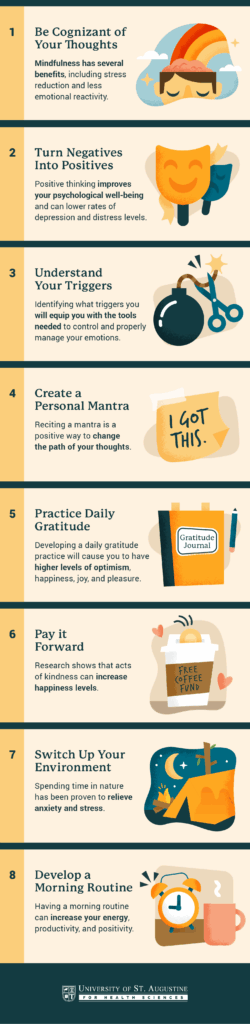
So, how do you get started with mind training? Here are a few tips to help you on your journey:
- Practice mindfulness: Take time each day to focus on the present moment, without judgment or distraction.
- Develop a growth mindset: View challenges as opportunities for growth and development, rather than threats to ego.
- Cultivate self-awareness: Understand your thoughts, emotions, and behaviors, and use this knowledge to make positive changes.
Mind Training Techniques
There are many different mind training techniques that can help you develop mental toughness and resilience. Here are a few examples:
- Visualization: Close your eyes and imagine yourself achieving your goals. Visualize success and confidence.
- Positive self-talk: Speak kindly to yourself, focusing on positive affirmations and encouraging language.
- Physical exercise: Engage in physical activity to release endorphins and boost mood.
- Mindful movement: Practice yoga or tai chi to cultivate mindfulness and balance.
Overcoming Common Obstacles
When it comes to mind training, there are often obstacles that can hinder progress. Here are a few common challenges and strategies for overcoming them:
- Self-doubt: Acknowledge your doubts and fears, but also recognize that they’re normal and temporary.
- Procrastination: Break down large tasks into smaller, manageable chunks, and focus on one step at a time.
- Lack of motivation: Find ways to make mind training enjoyable and engaging, such as by incorporating games or challenges.
Conclusion
Navigating complexity is an essential skill in today’s fast-paced world. By learning to navigate complexity, we can unlock our full potential and achieve greater success in all areas of life. Mind training is the key to unlocking this potential, providing us with the skills and strategies necessary to build resilience and overcome challenges. With practice, patience, and persistence, you too can develop the mental toughness needed to succeed.
Frequently Asked Questions
- What is mind training?
Mind training refers to the practice of developing mental toughness, resilience, and focus through various techniques and strategies. - How does mind training improve my life?
Mind training can improve your life in numerous ways, including: - Improved focus and concentration
- Enhanced problem-solving skills
- Increased resilience in the face of challenges
- Better emotional regulation and stress management
- Greater overall well-being
- Is mind training difficult to learn?
Mind training requires practice, patience, and persistence. With consistent effort, anyone can develop the mental toughness needed to succeed. - Can I benefit from mind training if I’m not a fan of meditation or mindfulness practices?
While meditation and mindfulness are popular tools for cultivating mental toughness, there are many other techniques and strategies that can be just as effective. Experiment with different approaches to find what works best for you. - How often should I practice mind training?
Consistency is key when it comes to mind training. Aim to practice regularly, ideally at the same time each day.
By following these tips and incorporating mind training into your daily routine, you’ll be well on your way to unlocking your full potential and achieving greater success in all areas of life.


