
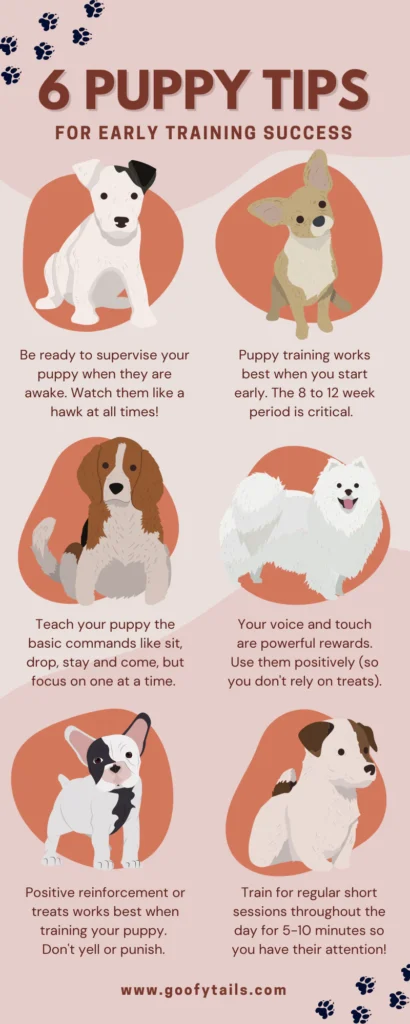
As anyone who has ever had the pleasure of raising a puppy will attest, training a young canine companion is an experience unlike any other. Not only does it require patience and dedication, but it also teaches us valuable lessons about discipline, memory, and order. In this article, we’ll explore the ins and outs of training a puppy and provide you with the tools and tips needed to raise a well-behaved and loving companion.
The Importance of Not Taking Yourself Too Seriously
When it comes to training a puppy, it’s essential to remember that you need to have fun while doing it. Puppies are naturally playful creatures, and their innocence and curiosity make them a joy to be around. So, why not take the approach of treating your puppy like they’re also learning, rather than just teaching? By doing so, you’ll create an environment where both you and your puppy feel comfortable, relaxed, and happy.
For instance, instead of scolding your puppy for making a mess, try using positive reinforcement techniques to encourage good behavior. This might involve rewarding them with treats or praise when they exhibit calm, gentle behavior around new objects or people. By focusing on the positive aspects of their behavior, you’ll create a supportive environment that encourages growth and development.
Choosing Games That Your Puppy Will Enjoy
When it comes to selecting games for your puppy, it’s crucial to consider what makes them tick. Puppies love to play with toys that have different textures, shapes, and sizes. They also enjoy playing with objects that can be opened or closed, like puzzle toys. Avoid giving your puppy toys that are too small or may cause choking hazards. Remember, the goal is to provide entertainment while ensuring their safety.
For example, you could try hiding treats around the house for your puppy to find, using interactive puzzle toys filled with treats, or even creating a “sniffing game” where they have to follow a specific scent trail. By providing engaging and stimulating activities, you’ll keep your puppy entertained and exercised while also reinforcing good behavior.
Understanding Puppy Behavior
Puppies, especially those between three months to one year old, require stimulation and socialization to help them develop good behavior. They need to learn how to communicate with others, such as humans and other animals, in a respectful manner. Proper training helps create an environment where both you and your puppy can feel comfortable and relaxed.
For instance, if your puppy is exhibiting destructive behavior due to boredom or excess energy, try providing alternative outlets for their pent-up energy. This might involve taking them on longer walks, engaging them in playtime with interactive toys, or even enrolling them in doggy daycare. By addressing the root causes of their behavior, you’ll be better equipped to manage and mitigate any negative consequences.
The Importance of Establishing Routine
Establishing routine is crucial for any puppy owner. It provides a sense of stability and structure that puppies thrive on. You should set aside specific times for playing, feeding, and sleeping to ensure your puppy knows what to expect each day. This will also help you manage their behavior and prevent unwanted habits.
For example, try establishing a regular routine for potty breaks, such as taking your puppy outside immediately after meals or naps. Consistency is key when it comes to training puppies, so make sure to stick to your schedule as closely as possible. By establishing a clear routine, you’ll be better equipped to handle any unexpected situations that may arise.
Recognizing Signs of “Do I Need to Go?”
Puppies often have difficulty communicating their needs. It’s essential to recognize signs that indicate they need to go outside, such as sniffing or circling. When you notice these signs, quickly take your puppy outside to prevent accidents in the house.
For instance, if you catch your puppy sniffing around the front door, it’s likely a sign that they need to go outside for a quick break. By recognizing this cue and responding promptly, you’ll be able to prevent any potential accidents or messes.
Teaching Your Puppy Not to Bite
Biting is a natural behavior for puppies, but it’s crucial to teach them not to bite humans. Start by ignoring any biting behavior and instead reward good behavior with treats or praise. You can also try giving your puppy toys to chew on when they exhibit this behavior.
For example, if your puppy starts to get excited or anxious around you, try providing a toy or treat as a distraction. By redirecting their attention away from your face and body, you’ll be able to prevent any biting or nipping behavior. Remember to always reward good behavior and ignore bad behavior, and with time and consistency, your puppy will learn not to bite.
Dealing with Bambini: The Art of Introducing Your Puppy to Children
When introducing your puppy to children, it’s essential to prioritize both their safety and well-being. Teach children how to interact with puppies gently and respectfully, and always supervise interactions between the two. This will help create a harmonious environment where everyone feels comfortable.
For instance, you could try teaching children basic commands like “gentle” or “soft” when interacting with your puppy. By setting clear boundaries and expectations, you’ll be able to ensure that both your puppy and child feel safe and respected. Additionally, make sure to provide plenty of attention and affection for your puppy, as this can help them bond more strongly with the child.
Establishing Communication: The Key to Successful Training
Communication is key when training a puppy. Use clear, consistent commands and rewards positive behavior. Start by introducing simple commands like “sit,” “stay,” and “come.” Gradually increase the complexity of commands as your puppy becomes more confident in their understanding of language.
For example, try using visual cues like hand signals or body language to reinforce verbal commands. By combining verbal and non-verbal communication techniques, you’ll be able to create a comprehensive training program that works for both you and your puppy.
Training a Puppy with the Help of Positive Reinforcement
Positive reinforcement is an effective training method that encourages desired behavior without punishment or negative reinforcement. Reward your puppy with treats, praise, and affection when they exhibit good behavior. This will help create a positive association between the desired behavior and the reward.
For instance, try using treats to reinforce sitting or staying on command. By associating these behaviors with rewards, you’ll be able to teach your puppy more complex commands and behaviors. Additionally, make sure to use plenty of praise and affection to reinforce good behavior, as this can help strengthen the bond between you and your puppy.
Understanding Guzzling: The Art of Teaching Your Puppy to Stay by Your Side
Leash training is an essential part of owning a puppy. Start by introducing your puppy to the leash gradually, allowing them to become accustomed to wearing it. Practice walking your puppy in different environments while providing positive reinforcement for good behavior.
For example, try starting with short walks around the block and gradually increasing the distance as your puppy becomes more confident on the leash. By providing plenty of praise and rewards for good behavior, you’ll be able to teach your puppy to stay by your side without pulling or tugging.
Conclusion: Raising a Well-Behaved Puppy Requires Patience and Dedication
Training a puppy requires patience, dedication, and love. By following these tips and understanding the importance of establishing routine, recognizing signs of “do I need to go?”, teaching not to bite, dealing with bambini, establishing communication, using positive reinforcement, and training guzzling, you’ll be well on your way to raising a well-behaved and loving companion.
Remember, every puppy is unique, and what works for one may not work for another. Be patient, stay consistent, and always prioritize the needs and well-being of your furry friend. With time and effort, you’ll be able to raise a confident, loyal, and loving companion that will bring joy and happiness into your life.
Frequently Asked Questions
- How long does it take for a puppy to learn basic commands?
- Basic commands like “sit” and “stay” can be learned within a few weeks.
- Why is socialization important for puppies?
- Socialization helps puppies develop good behavior, such as interacting with humans and other animals in a respectful manner.
- What is positive reinforcement training?
- Positive reinforcement training encourages desired behavior by rewarding it with treats, praise, and affection.
- How do I teach my puppy not to bite?
- Start by ignoring any biting behavior and reward good behavior with treats or praise.
- Can puppies be trained using negative reinforcement?
- No, negative reinforcement is not an effective training method for puppies. It can create anxiety and fear-based behaviors.
Additional Resources
- Check out our video on puppy training tips and tricks for a comprehensive guide to raising a well-behaved companion.
- Visit our website for more articles and resources on dog care and training.
- Follow us on social media for updates, tips, and advice on raising happy, healthy puppies.


