
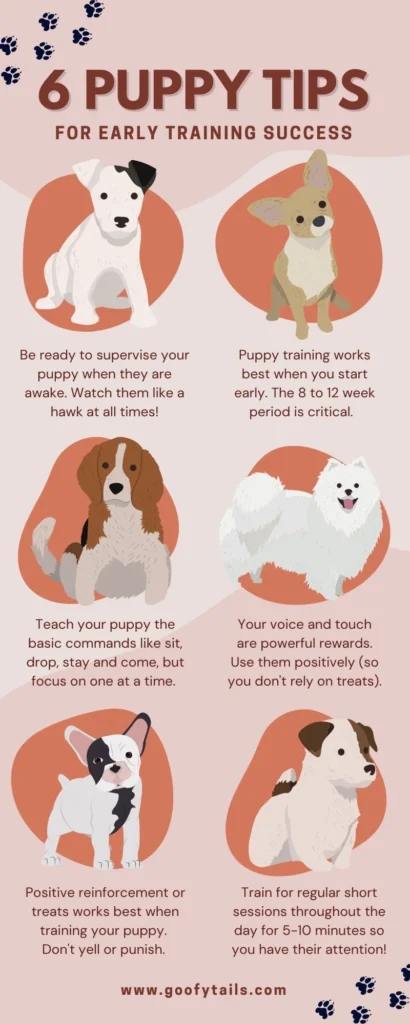
As soon as you bring a new puppy home, it’s easy to forget about training and discipline. With their big eyes and adorable antics, it’s hard not to fall in love with those little furballs and let them rule the roost. But trust us, teaching your puppy good habits from an early age is crucial for a harmonious home and a well-behaved furry friend.
Understanding Your Puppy’s Instincts
When it comes to raising a puppy, it’s essential to understand their natural instincts. Puppies are naturally curious and playful, which means they’ll explore their surroundings by sniffing, licking, and even biting. As you navigate the world of puppy parenthood, keep in mind that puppies are born with an instinctual desire to mark their territory through pee-mail and poop.
Creating a Safe Space for Your Puppy
To establish good habits, it’s vital to create a safe space for your puppy to learn and grow. This means setting up designated areas for eating, sleeping, and doing business (yes, that includes potty breaks!). When introducing your puppy to these spaces, supervise closely and provide positive reinforcement when they use the right area.
Housebreaking 101: Tips and Tricks
Housebreaking is a crucial aspect of raising a well-behaved puppy. Here are some tips to get you started:
- Establish a routine: Take your puppy outside to pee-mail immediately after meals, naps, and playtime.
- Watch for signs: Puppies will often sniff and circle before peeing.
- Praise and reward: When your puppy uses the right area, praise them and reward with treats and affection.
- Clean up accidents: If your puppy has an accident in the house, clean up thoroughly to remove any lingering scents that might attract your puppy to the same spot again.
Teaching Your Puppy Not to Bite
Puppies often bite during playtime, which can be overwhelming for humans. To teach your puppy not to bite:
- Play gently: Avoid using toys with small parts or sharp edges, as these can cause injuries.
- Set boundaries: If your puppy bites too hard, firmly say “no” and withdraw your attention for a few seconds.
- Offer alternatives: Replace biting with gentle play or verbal communication.
Socialization: A Crucial Part of Puppy Training
Socialization is an essential aspect of raising a well-behaved puppy. This involves exposing your puppy to various environments, people, and animals to help them develop good social skills:
- Expose to new places: Take your puppy on regular outings to new parks, pet stores, and friends’ homes.
- Introduce new people: Gradually introduce your puppy to different types of people, including men, women, children, and seniors.
- Encourage play with other animals: Arrange playdates with friendly dogs or other calm animals.
Raising a Well-Behaved Puppy: A Long-Term Commitment
Teaching your puppy good habits takes time, patience, and consistency. As you navigate the world of puppy parenthood, remember that every puppy is unique and will require individualized attention and training:
- Be patient: Puppies learn at their own pace, so don’t expect immediate results.
- Stay consistent: Establish a routine and stick to it, even on weekends and holidays.
- Seek professional help: If you’re experiencing behavioral issues or need guidance, consult with a professional dog trainer or veterinarian.
Additional Tips for Raising a Well-Behaved Puppy
Here are some additional tips to help you raise a well-behaved puppy:
- Establish clear boundaries: Set clear rules and consequences for your puppy’s behavior.
- Use positive reinforcement training: Reward good behavior with treats, praise, and affection.
- Provide mental stimulation: Engage your puppy in interactive games, puzzle toys, and scent work to keep them mentally stimulated.
- Create a safe environment: Remove any hazardous materials or objects from your home that could harm your puppy.
Common Behavioral Issues in Puppies
While every puppy is unique, there are some common behavioral issues that you may encounter:
- Barking: Puppies bark due to boredom, anxiety, or excitement.
- Chewing: Puppies chew on furniture, shoes, and other objects due to teething pain or curiosity.
- Digging: Puppies dig in the yard or in your home due to instinctual behavior or boredom.
- Separation anxiety: Puppies can develop separation anxiety when left alone for extended periods of time.
Preventing Behavioral Issues
To prevent behavioral issues, provide your puppy with regular exercise, mental stimulation, and a comfortable place to rest. Here are some additional tips:
- Provide regular exercise: Engage your puppy in physical activity, such as walks, runs, and playtime.
- Offer mental stimulation: Provide puzzle toys, scent work, and interactive games to keep your puppy mentally stimulated.
- Create a comfortable environment: Provide a warm, cozy place for your puppy to rest.
Conclusion
Raising a well-behaved puppy takes time, patience, and consistency. By understanding your puppy’s instincts, creating a safe space, housebreaking, teaching not to bite, socializing, and providing mental stimulation, you can raise a happy and harmonious companion. Remember to be patient, stay consistent, and seek professional help if needed.
Frequently Asked Questions
Q: How old should I be before bringing home a puppy?
A: Ideally, you should be at least 18 years old and have experience caring for pets before bringing home a puppy.
Q: Can I leave my puppy alone for extended periods of time?
A: No, it’s not recommended to leave your puppy alone for extended periods. Puppies require regular attention, exercise, and socialization to develop good habits.
Q: What are some common behavioral issues in puppies?
A: Common behavioral issues in puppies include barking, chewing, digging, and separation anxiety.
Q: How do I prevent my puppy from developing separation anxiety?
A: To prevent separation anxiety, provide your puppy with regular exercise, mental stimulation, and a comfortable place to rest. Gradually increase time spent away from your puppy to help them adjust.
Q: What are some signs that my puppy is ready for training?
A: Signs that your puppy is ready for training include:
- They’re at least 16 weeks old
- They’ve received all necessary vaccinations
- They’re showing interest in learning and responding to commands
Q: How often should I take my puppy to the vet?
A: The frequency of veterinary visits depends on factors such as your puppy’s age, health status, and vaccination schedule. Typically, puppies need regular check-ups at 6-8 weeks, 12-14 weeks, and 16-18 weeks old.
Q: Can I start training my puppy immediately after bringing them home?
A: While you can begin introducing basic commands and housebreaking habits right away, it’s recommended to wait until your puppy is at least 16 weeks old before starting formal training sessions.


