
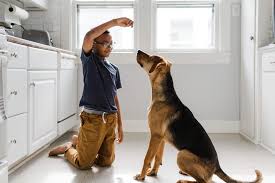
As anyone who has ever owned a dog knows, training is an essential part of building a strong bond with your furry friend. However, with so many different approaches and techniques out there, it can be difficult to know where to start. In this article, we’ll explore the basics of dog training and provide tips on how to get started.
Understanding Your Dog’s Unique Personality
Before you begin training, it’s essential to understand your dog’s unique personality traits. Every dog is different, and what works for one may not work for another. Some dogs are naturally more receptive to training than others, so it’s crucial to tailor your approach to your dog’s individual needs.
Basic Commands: The Foundation of Dog Training
When it comes to training a dog, there are four basic commands that every dog should know:
- “Sit”: This command is essential for establishing boundaries and teaching your dog to focus. To teach your dog to sit, start by holding a treat above their head and moving it backwards towards their tail. As they follow the treat with their nose, their bottom will lower into a sitting position.
- “Stay”: This command helps your dog learn self-control and remain calm in new situations. To teach your dog to stay, begin by having them sit or lie down, then take a few steps back and say “stay.” Gradually increase the distance and time you’re away from your dog while they’re in this position.
- “Come”: This command is vital for ensuring your dog’s safety, especially in situations where they may be off-leash. To teach your dog to come when called, start by having them on a leash or in a controlled environment. Call their name and say “come” while rewarding them with treats and praise.
- “Leave It”: This command teaches your dog to respect personal space and not engage with unwanted objects. To teach your dog to leave an object alone, place it on the ground and say “leave it.” If they try to pick up or touch the object, cover it with your hand and say “no.”
While these commands are the foundation of dog training, it’s essential to remember that every dog learns at their own pace. Be patient, consistent, and positive, and you’ll see significant improvement over time.
Choosing a Training Method
There are various training methods available, each with its strengths and weaknesses. Some popular methods include:
- Positive Reinforcement: This method focuses on rewarding desired behaviors rather than punishing undesired ones. Positive reinforcement is considered the most effective training method for dogs.
- Clicker Training: This method uses a clicker to mark desired behaviors and immediately reward them with treats or praise. Clicker training can be an excellent way to teach complex behaviors like agility or obedience commands.
- Reward-Based Training: This method combines elements of positive reinforcement and reward-based training to create a fun and engaging learning experience.
Ultimately, the best training method for your dog is one that you’re comfortable with and can stick to in the long term. Consult with a professional trainer if needed, but always prioritize positive reinforcement techniques.
Creating a Training Schedule
Establishing a regular training schedule is crucial for making progress with your dog. Aim to train your dog 15-20 minutes per session, twice a day. This will help you:
- Create a consistent routine
- Avoid overwhelming your dog
- Make the most of your training time
Tips for Effective Training
In addition to understanding your dog’s unique personality and choosing an effective training method, here are some additional tips to keep in mind:
- Stay Calm: A calm and patient demeanor is essential for successful training. Avoid getting frustrated or angry with your dog, as this can create negative associations and hinder the learning process.
- Use Positive Language: Avoid using negative language or punishment-based techniques, which can be counterproductive and damaging to your relationship with your dog.
- Be Consistent: Establish a clear routine and stick to it. This will help your dog understand what’s expected of them and make training more efficient.
- Reward Good Behavior: Positive reinforcement is key to making training fun and engaging. Reward your dog with treats, praise, and affection when they exhibit desired behaviors.
Common Mistakes to Avoid
There are several common mistakes that can hinder the effectiveness of your training:
- Punishment-Based Training: Punishing your dog for undesired behaviors is counterproductive and can create negative associations. Instead, focus on rewarding good behavior.
- Insufficient Reinforcement: Failing to reward desired behaviors can lead to confusion and frustration. Make sure to provide adequate reinforcement when teaching new skills.
- Inconsistent Schedules: Irregular training schedules can confuse your dog and make it difficult for them to learn. Establish a consistent routine and stick to it.
Conclusion
Training a dog requires patience, consistency, and positive reinforcement. By understanding your dog’s unique personality traits, choosing an effective training method, creating a regular training schedule, and following these tips, you’ll be well on your way to building a strong bond with your furry friend. Remember, every dog is different, so don’t be afraid to adjust your approach as needed.
Frequently Asked Questions
Q: How long does it take to train a dog?
A: The amount of time it takes to train a dog depends on various factors, including the dog’s age, breed, and individual learning style. With consistent training and positive reinforcement, you can expect significant improvement within 1-3 months.
Q: What is the most effective training method for dogs?
A: Positive Reinforcement is widely considered the most effective training method for dogs. This approach focuses on rewarding desired behaviors rather than punishing undesired ones.
Q: How often should I train my dog?
A: Aim to train your dog 15-20 minutes per session, twice a day. This will help you create a consistent routine and avoid overwhelming your dog.
Q: What are the most important commands for dogs to learn?
A: The four basic commands – “Sit,” “Stay,” “Come,” and “Leave It” – are essential for establishing boundaries and teaching your dog to focus.
Q: How can I make training more fun for my dog?
A: Use positive language, reward good behavior, and make the training experience enjoyable and engaging. You can also incorporate games and playtime into your training sessions to keep things exciting.
Advanced Training Techniques
Once you’ve mastered the basics of dog training, you can start exploring advanced techniques to take your training to the next level:
- Agility Training: Agility training involves teaching your dog to navigate obstacles like tunnels, jumps, and weave poles. This type of training requires patience, consistency, and positive reinforcement.
- Obedience Training: Obedience training focuses on teaching complex behaviors like “stay close,” “heel,” and “figure-eights.” This type of training requires clear communication, consistency, and positive reinforcement.
- Socialization: Socialization is critical for helping your dog become confident and calm in the presence of new people, dogs, and environments. Start socializing your dog from an early age, and gradually introduce them to new stimuli.
Conclusion
Training a dog requires patience, consistency, and positive reinforcement. By understanding your dog’s unique personality traits, choosing an effective training method, creating a regular training schedule, and following these tips, you’ll be well on your way to building a strong bond with your furry friend.


